
Mature skin is not something to be ashamed of. It is not a problem to hide. It is simply skin that has changed over time and may need a different kind of support than it did years ago.
Many people first notice mature skin when their usual moisturizer no longer feels like enough. The skin may feel drier. Fine lines may look more visible. Makeup may settle differently. The cheeks may look less firm. The eye area may look more tired. The skin may still be beautiful, but it may need more comfort, hydration, and consistency.
At Zendevie, mature skin care is approached with respect. The goal is not to fight age or promise unrealistic changes. The goal is to support skin that feels comfortable, cared for, smoother-looking, and more radiant.
Mature skin deserves thoughtful skincare, not fear-based marketing.
Mature skin usually refers to skin that shows visible changes over time, such as dryness, fine lines, rougher texture, loss of firmness appearance, dullness, thinner-looking skin, and a greater need for moisture and barrier support.
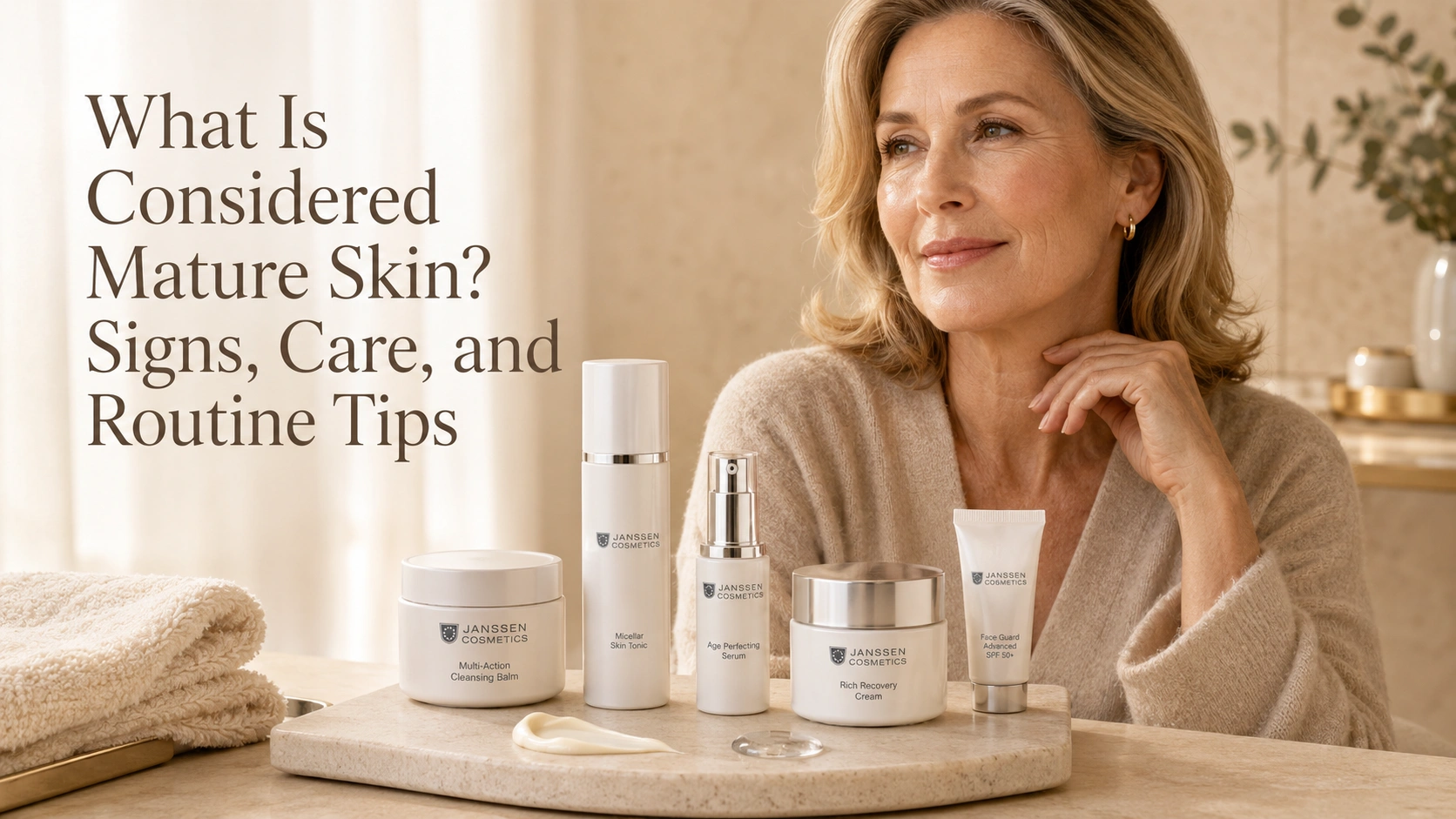
A good mature skin routine should focus on gentle cleansing, hydration, serum support, a nourishing moisturizer, eye care, optional masks, and SPF during the day. The routine should feel comforting and consistent, not harsh or overwhelming.
Mature skin can be dry, sensitive, oily, or combination. That is why the best routine depends on the person’s skin condition, not just age.
Mature skin is skin that has changed with time. These changes can happen gradually and may be influenced by age, sun exposure, dryness, hormones, lifestyle, stress, climate, and skincare habits.
Mature skin does not have one exact age. Some people begin noticing changes in their 30s or 40s. Others may not think about mature skin until later. What matters most is not the number. What matters is what the skin is showing.
Mature skin may need more:

You may be seeing mature skin changes if you notice:
These signs are normal, but they can be supported with the right routine.
For a deeper guide, review the signs of mature skin so you can understand what your skin may be showing before choosing products.
One of the biggest concerns with mature skin is dryness. As skin changes over time, it may feel less able to stay comfortable with a basic moisturizer.
Some mature skin needs more water-based hydration. Some needs richer lipid comfort. Some needs both.
This is why a serum can be helpful. A serum can support hydration or targeted skin concerns before a cream is applied. Then a cream helps comfort and seal the routine.
A mature skin routine should not depend on cream alone. It often works better when the steps support each other.
Mature skin and dry skin can overlap, but they are not exactly the same.
Dry skin is mainly about lack of moisture, oil, or barrier comfort. Mature skin is about visible changes over time, such as texture, firmness appearance, lines, and moisture needs.
A person can have mature skin that is dry. A person can also have mature skin that is oily or combination. This is why skin analysis matters.
If mature skin is treated only as dry skin, the routine may miss concerns like texture, firmness appearance, or eye-area needs. If it is treated only as aging skin, the routine may become too active and not comforting enough.
The best approach is balanced.
If dryness is your main concern, it helps to understand mature skin vs. dry skin before building the routine.
Mature skin may look tired, dull, or stressed, but tired-looking skin can happen at any age.
Demanding or tired-looking skin often needs radiance support, antioxidant support, and glow-focused care. Mature skin may need those things too, but it often also needs richer comfort, barrier support, eye care, and more targeted well-aging support.
This is why a consultation is useful. The skin may need hydration first, glow support second, or firming-support products depending on what is most visible and what the skin can tolerate.
Mature skin should not feel tight after cleansing. A cleanser should remove makeup, sunscreen, oil, and daily buildup without leaving the skin uncomfortable.
Oil cleansers and balm cleansers can be beautiful options for mature skin because they help remove buildup while leaving the skin feeling soft.
Hydration helps mature skin look smoother and feel more comfortable. Ingredients like hyaluronic acid and other moisture-supporting ingredients can help the skin look plumper and fresher.
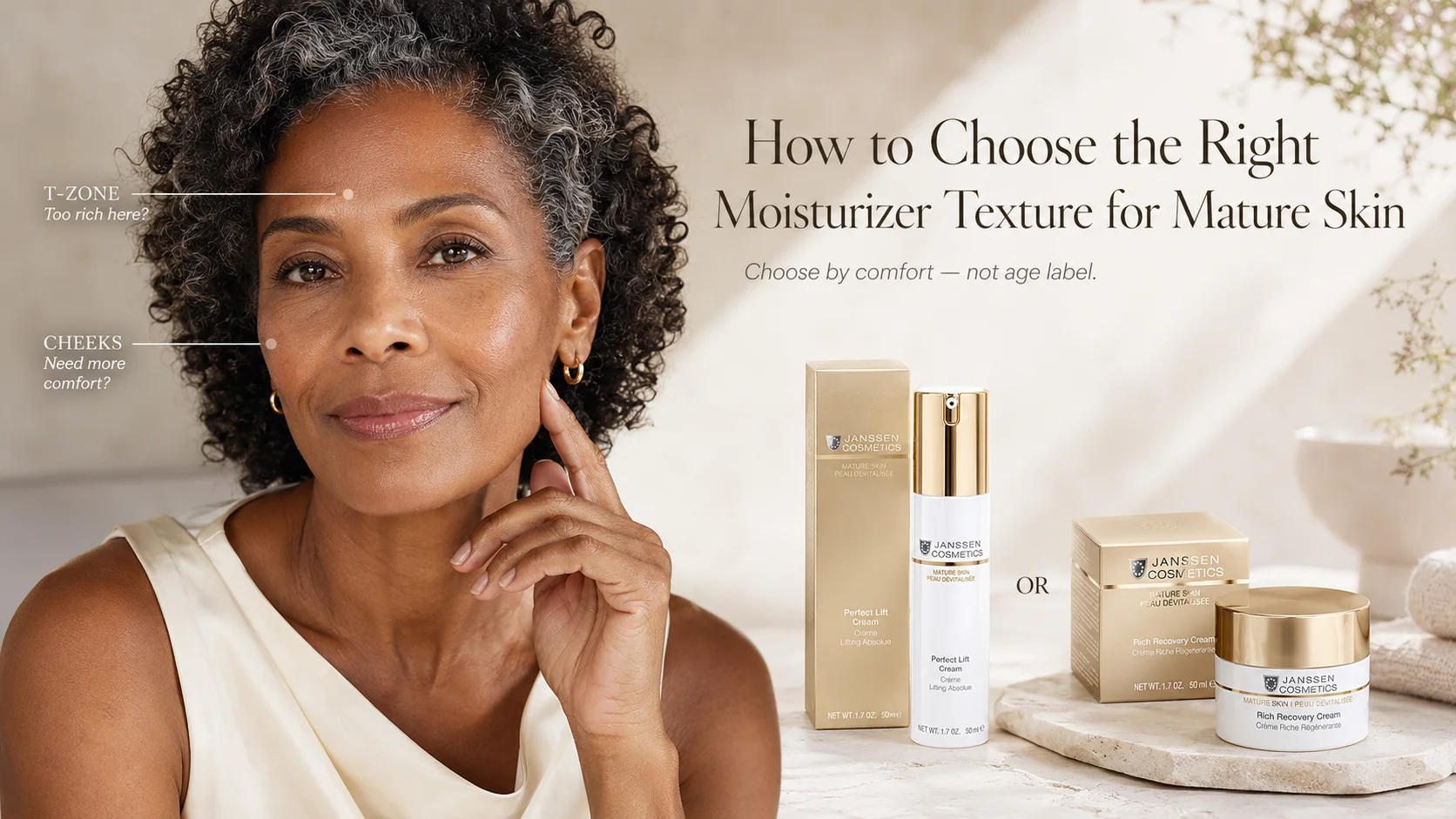
A moisturizer for mature skin should do more than disappear quickly. It should support comfort, especially if the skin feels dry, tight, or rough.
Some mature skin prefers a rich cream at night and a lighter cream during the day. Others need richer care both morning and evening.
Serums can help support the appearance of smoother, firmer-looking, more radiant skin. The right serum depends on the concern, such as dryness, texture, firmness appearance, or night recovery support.
The eye area is delicate and often one of the first places to show dryness, tiredness, or fine-looking lines. Mature skin routines often benefit from a dedicated eye product.
SPF matters every day. Sun exposure can contribute to the look of uneven tone, dryness, texture changes, and visible signs of aging. A mature skin routine without daytime protection is incomplete.

Mature skin usually responds best to a thoughtful mix of hydration, comfort, antioxidants, barrier support, and gentle renewal.
Once you understand your skin’s needs, the next step is choosing the best ingredients for mature skin in a careful, supportive way.
Hyaluronic acid helps support a hydrated, smoother-looking appearance. It can be especially helpful when lines look more noticeable because the skin is dehydrated.
Mature skin often benefits from ingredients that support barrier comfort. Ceramide-style products and lipid-support formulas can help skin feel more comfortable, especially when it feels dry or delicate.
Antioxidants are often used in mature skin routines to support skin exposed to environmental stress. They can help support a healthier-looking, more radiant complexion.
Some mature skin products include ingredients that support the appearance of firmness and smoother texture. The safe way to describe this is firming-support, not lifting guarantees.
Mature skin can look dull when surface buildup is present. Gentle enzyme exfoliation may help support smoother-looking texture when the skin can tolerate it.
The key is caution. Mature skin does not need aggressive scrubbing.
Retinol can support the appearance of smoother texture and visible lines for some people, but it should be used carefully. It is not right for every skin, especially if the skin is sensitive, dry, or already irritated.
Retinol should not be combined blindly with acids, scrubs, or too many strong active products.
A mature skin morning routine should focus on comfort, hydration, and protection.
Use a cleanser that removes overnight buildup without leaving the skin tight.
A gentle tonic can complete cleansing and prepare the skin for serum and cream.
A serum can support hydration, smoothness, radiance, or firmness appearance depending on the skin’s needs.
Use a small amount around the eye area and tap gently. Do not drag the skin.
Choose a cream that gives enough comfort for the skin. If the skin feels dry by midday, the cream may be too light.
Finish with daytime protection.
A simple morning structure:
Cleanser → Tonic → Serum → Eye Care → Cream → SPF
For step-by-step guidance, follow a simple mature skin routine that keeps cleansing, serum, eye care, cream, and SPF in the right order.
At night, mature skin often benefits from richer comfort and recovery-style care.
Remove makeup, sunscreen, and daily buildup with a balm, oil, or gentle cleanser depending on skin preference.
A tonic helps refresh and prepare the skin.
A night serum may support hydration, smoothness, or renewal appearance.
The eye area may need consistent evening support.
A richer cream can help mature skin feel comfortable overnight.
A simple evening structure:
Cleanser → Tonic → Night Serum → Eye Care → Rich Cream

Zendevie carries Janssen Cosmetics through a consultation-first model. That means mature skin products are not recommended blindly. Mature skin can be dry, sensitive, oily, combination, dull, or redness-prone, so the routine needs to match the person.
A personalized mature skin consultation can help decide which steps, textures, and product options make sense before you purchase.
Janssen Cosmetics has a Mature Skin family designed around comfort, cleansing, moisture, serum support, smoother-looking texture, and firming-support care.
Products that may be discussed during a consultation include:
These are examples, not automatic recommendations. A consultation helps decide what belongs in the routine, what should wait, and how to layer products safely.
Do not use harsh cleansers that leave the skin tight.
Do not over-exfoliate to chase smoothness. Mature skin often needs gentleness.
Do not layer retinol, acids, and scrubs without guidance.
Do not skip moisturizer because you are using serum. Mature skin usually needs both serum and cream.
Do not skip SPF. Daytime protection is one of the most important well-aging steps.
Do not believe any product that promises to reverse aging or remove wrinkles permanently. Skincare can support the appearance of the skin, but it should not make unrealistic claims.
Mature skin changes are normal, but some changes should be evaluated.
Consider speaking with a dermatologist or healthcare professional if you notice a new or changing spot, bleeding, crusting, painful skin, severe irritation, swelling, rash-like changes, or a sudden change in skin appearance that concerns you.
A skincare consultation can help with cosmetic product choices and routine structure, but it does not replace medical diagnosis or treatment.
Mature skin usually means skin that shows visible changes over time, such as dryness, texture changes, fine lines, deeper-looking lines, dullness, and loss of firmness appearance.
There is no exact age. Some people notice mature skin changes in their 30s or 40s. Others notice them later. It is better to look at what the skin needs rather than focusing only on age.
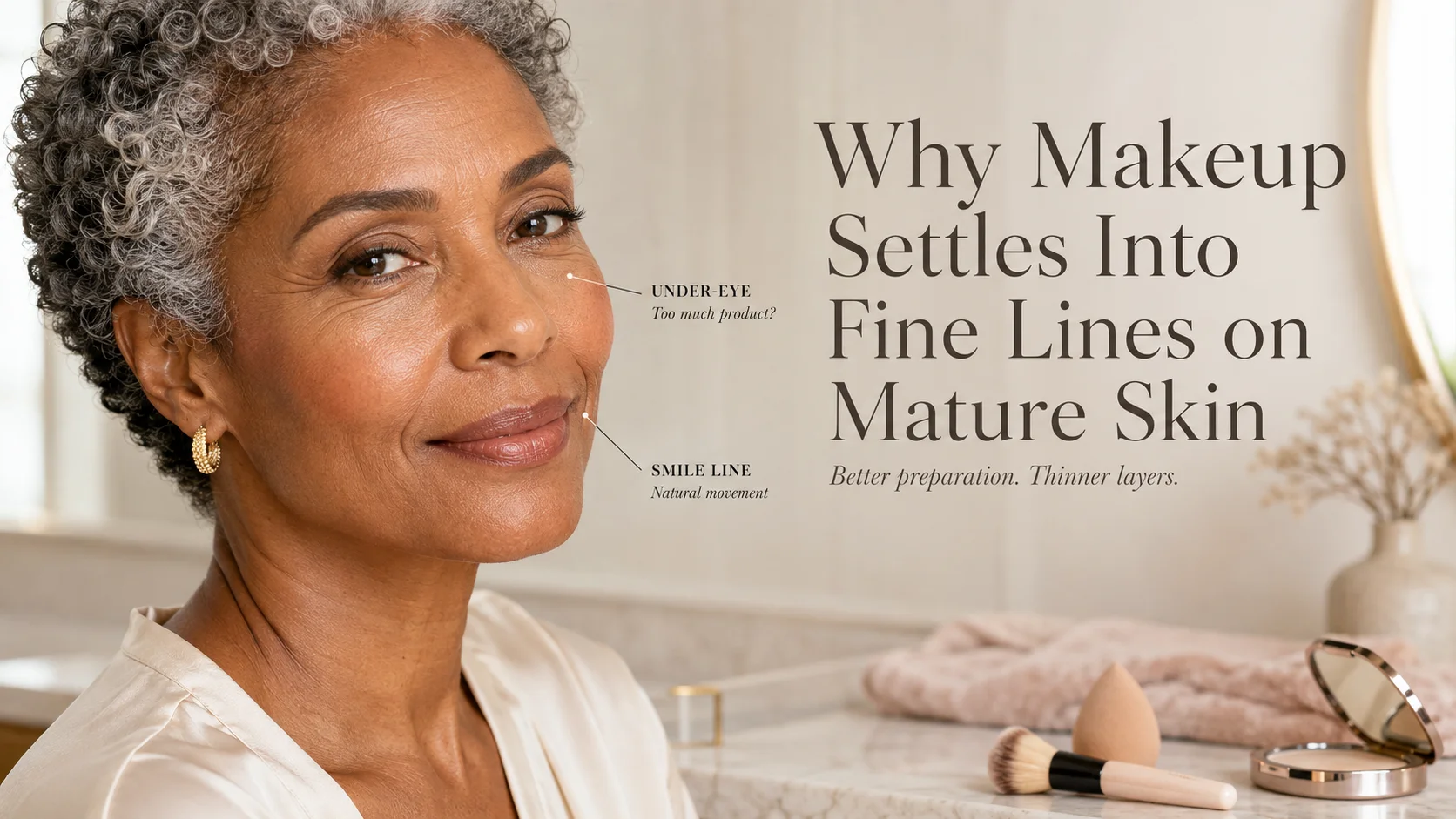
Common signs include dryness, fine lines, rough texture, dullness, eye-area dryness, makeup settling into lines, and a need for richer moisturizer.
A simple mature skin routine includes gentle cleanser, tonic, serum, eye care, moisturizer, and SPF in the morning. At night, use cleanser, tonic, night serum, eye care, and a richer cream if needed.
Many mature skin routines benefit from serum because serum can support hydration, smoothness, radiance, or firmness appearance before cream.
Mature skin may benefit from gentle exfoliation when texture looks dull or rough, but it should avoid harsh scrubbing or over-exfoliation.
Retinol can support the appearance of smoother texture and visible lines for some people, but it should be introduced carefully and not combined blindly with acids or strong exfoliants.
Mature skin may feel dry because it often needs more hydration, lipid comfort, and barrier support than it did before. The right cream texture and serum can make a difference.

Zendevie is guided by Haby Diallo, a licensed esthetician with more than 20 years of professional skincare experience. Her approach is rooted in education, professional judgment, and personal care.
years of experience