
Sensitive Skin Guide
Sensitive Skin & Redness-Prone Skin Care Guide
Sensitive skin is not one single skin type. It is a pattern of how skin reacts: tightness after cleansing, flushing, stinging, dry patches, or products that feel fine on someone else but too strong on you. At Shop Zendevie, skin understanding comes first because irritation can come from several places—barrier stress, over-cleansing, active overload, climate, or a product mismatch. Once we understand the pattern, Janssen Cosmetics products can be chosen with more care.
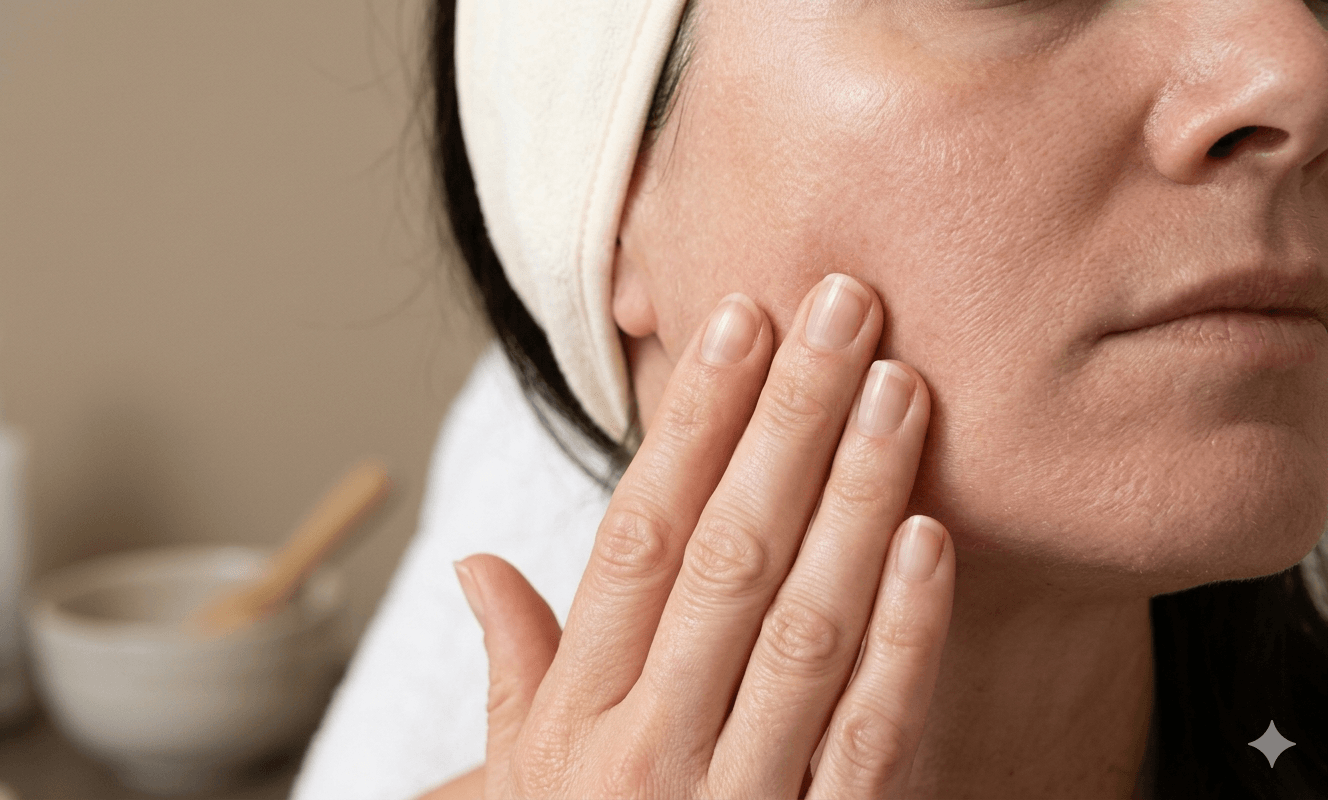
Calm care visual
A quieter start for reactive skin
Sensitive skin usually benefits from fewer variables first. Before stronger actives enter the plan, we look at cleansing, toner, moisturizer texture, and daily SPF protection so the skin has a calmer baseline.
Consultation first
Our licensed esthetician first looks for the pattern: what triggers tightness, where redness appears, and which products have felt too strong. That context matters because sensitive skin is often a reaction pattern, not a single category.
Janssen Cosmetics
Products are considered only after that pattern is clear. For sensitive skin, the decision is usually about cleanser softness, alcohol-free toner, serum need, cream texture, and daily SPF protection.
Fewer variables
When skin reacts easily, adding too much at once makes the cause harder to see. A simple plan makes it easier to notice what helps skin feel steadier.
How sensitivity can show up
Is This Your Skin Type?
Sensitive skin can show up in more than one way. One person may flush quickly. Another may sting after serum. Someone else may feel tight only after cleansing. The first step is understanding the behavior: where it happens, how often it appears, and what usually comes before it.
Tight after cleansing
That stretched feeling after washing often means the cleansing step is too strong, too long, or paired with water that leaves skin feeling dry.
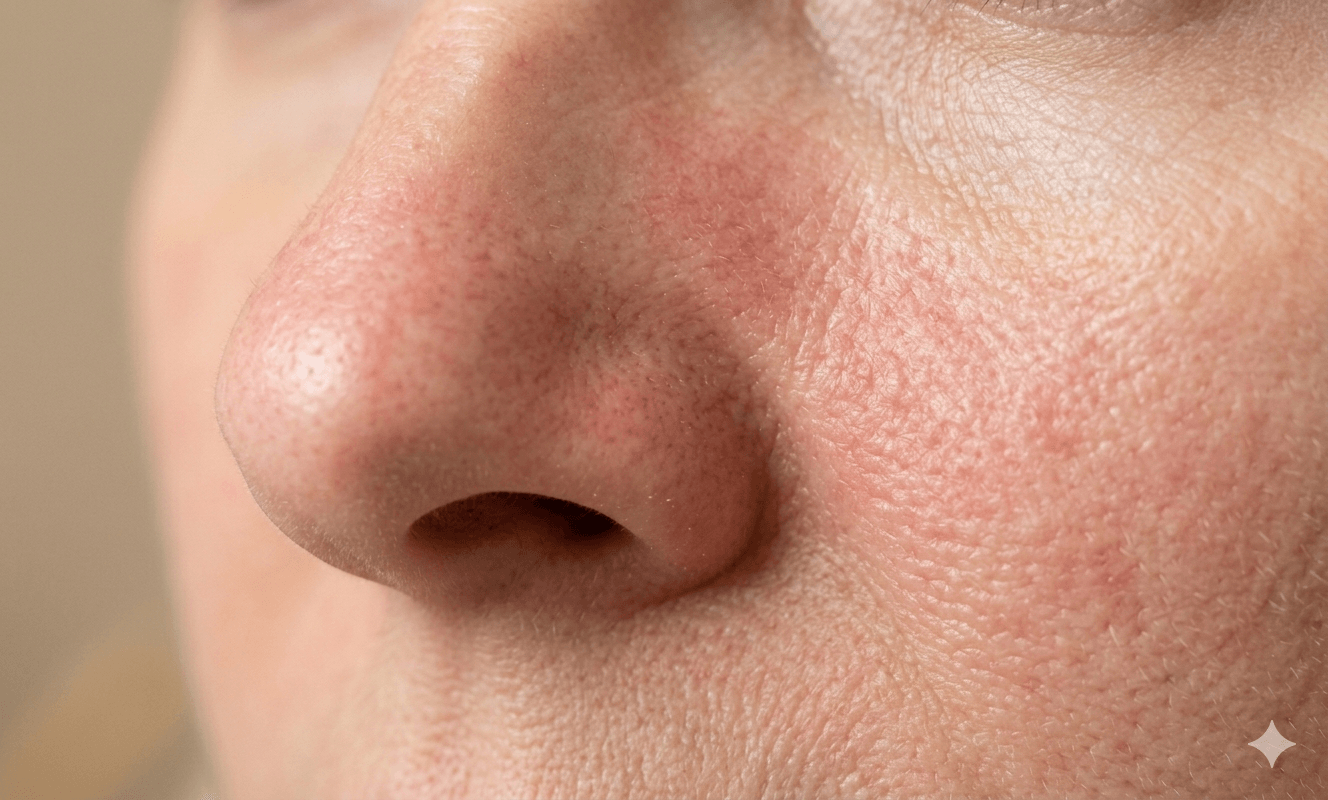
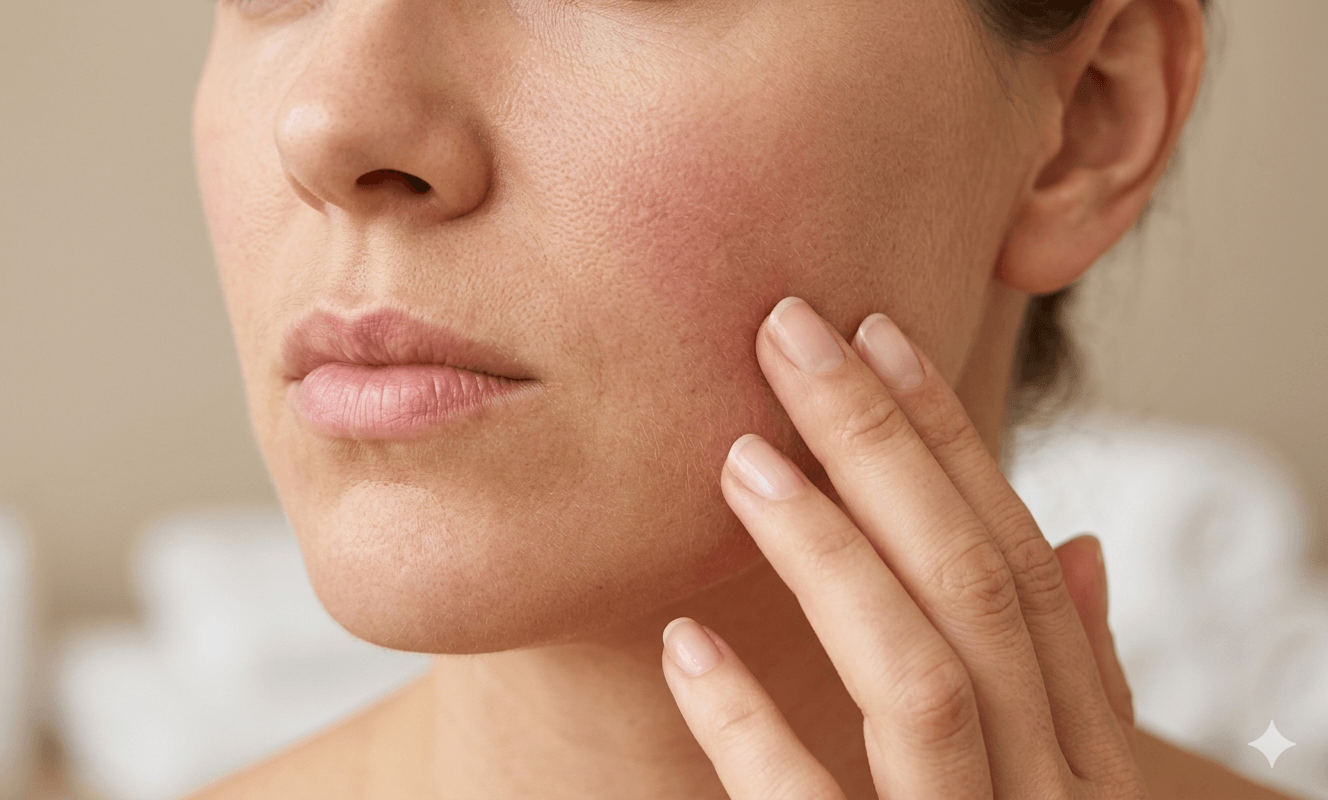
Redness-prone areas
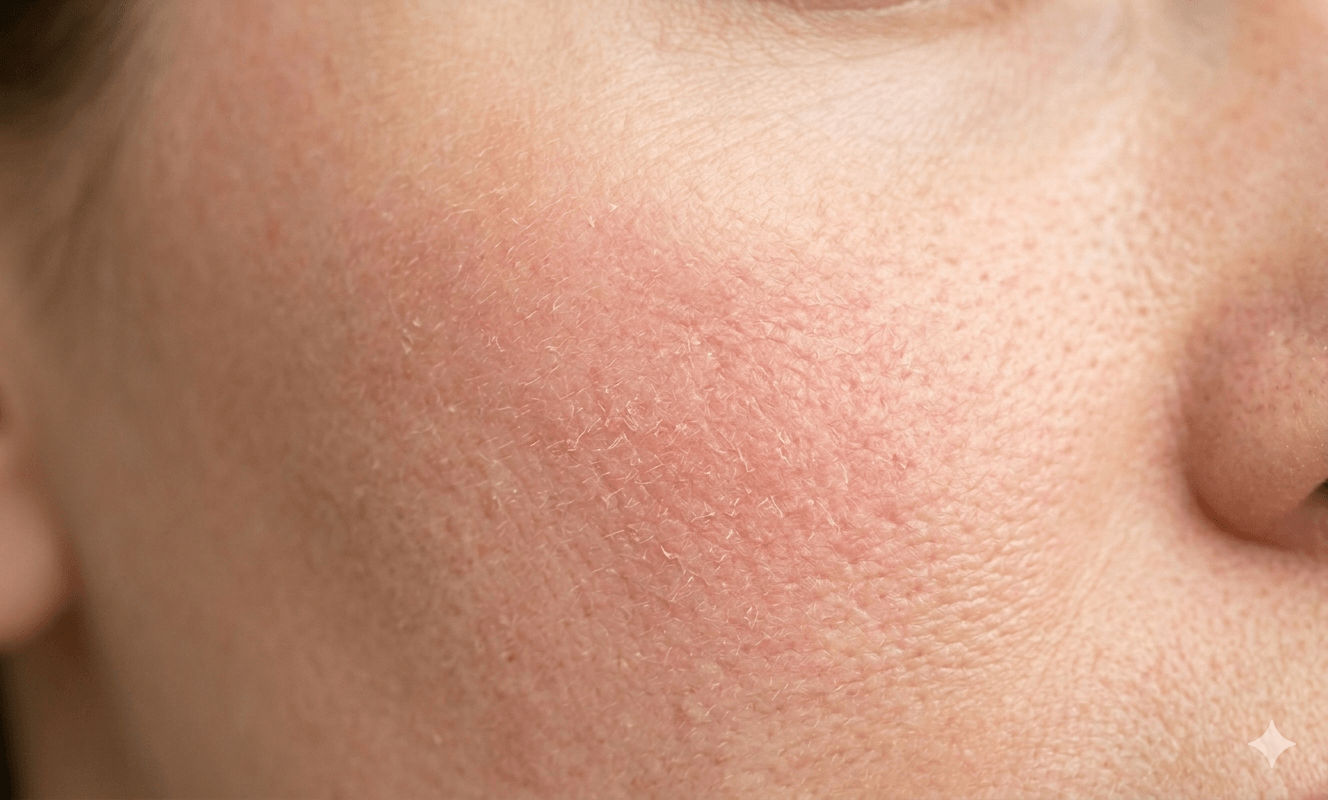
Flushing may appear on the cheeks, nose, or chin after heat, weather changes, exfoliation, or a product the skin does not like.
Stings with products
A product can be effective and still be wrong for your skin right now. Stinging is a sign to slow down and reassess, not to push through.
Barrier discomfort
When the surface feels fragile or rough, the skin may need fewer active ingredients and more steady moisture.
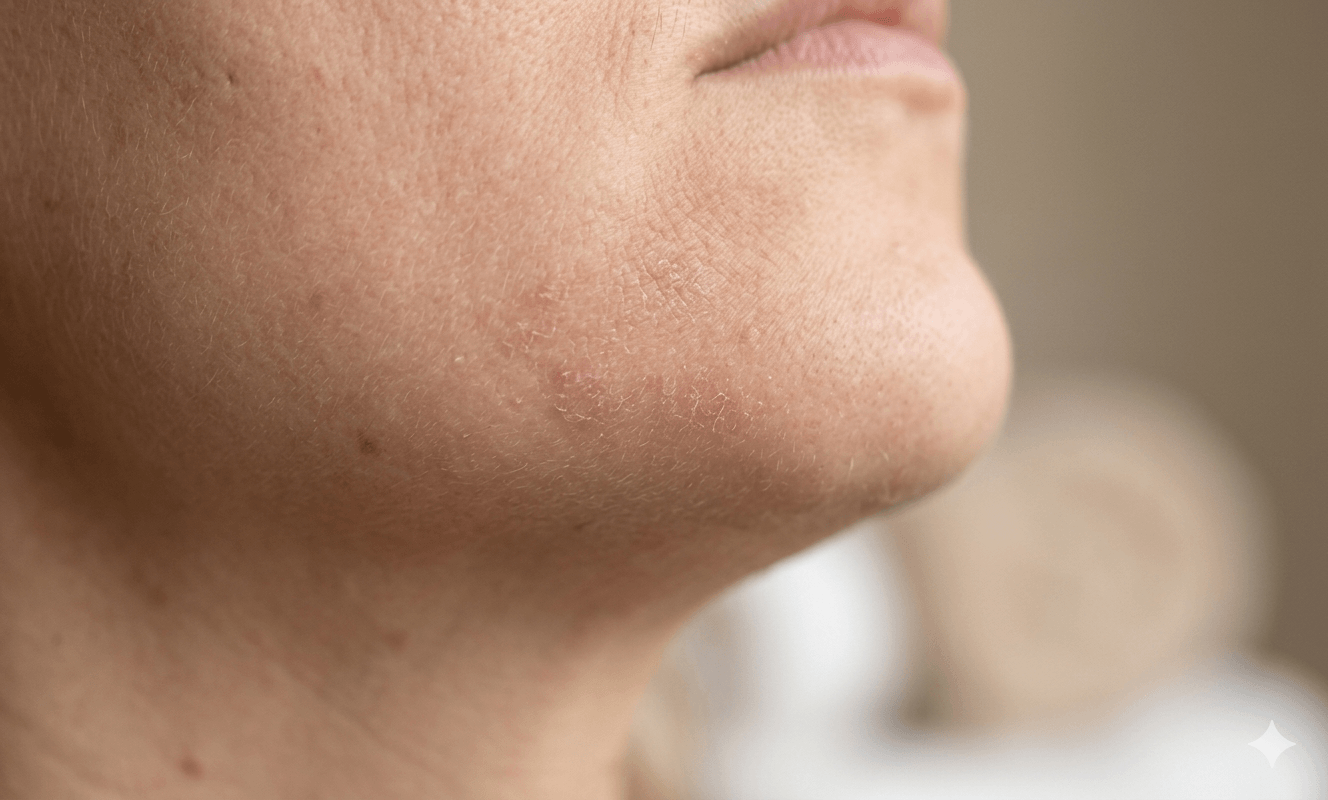
Dry irritated-feeling patches
Sensitive skin may look uneven because certain areas lose moisture faster or react more easily than the rest of the face.
Delicate eye area
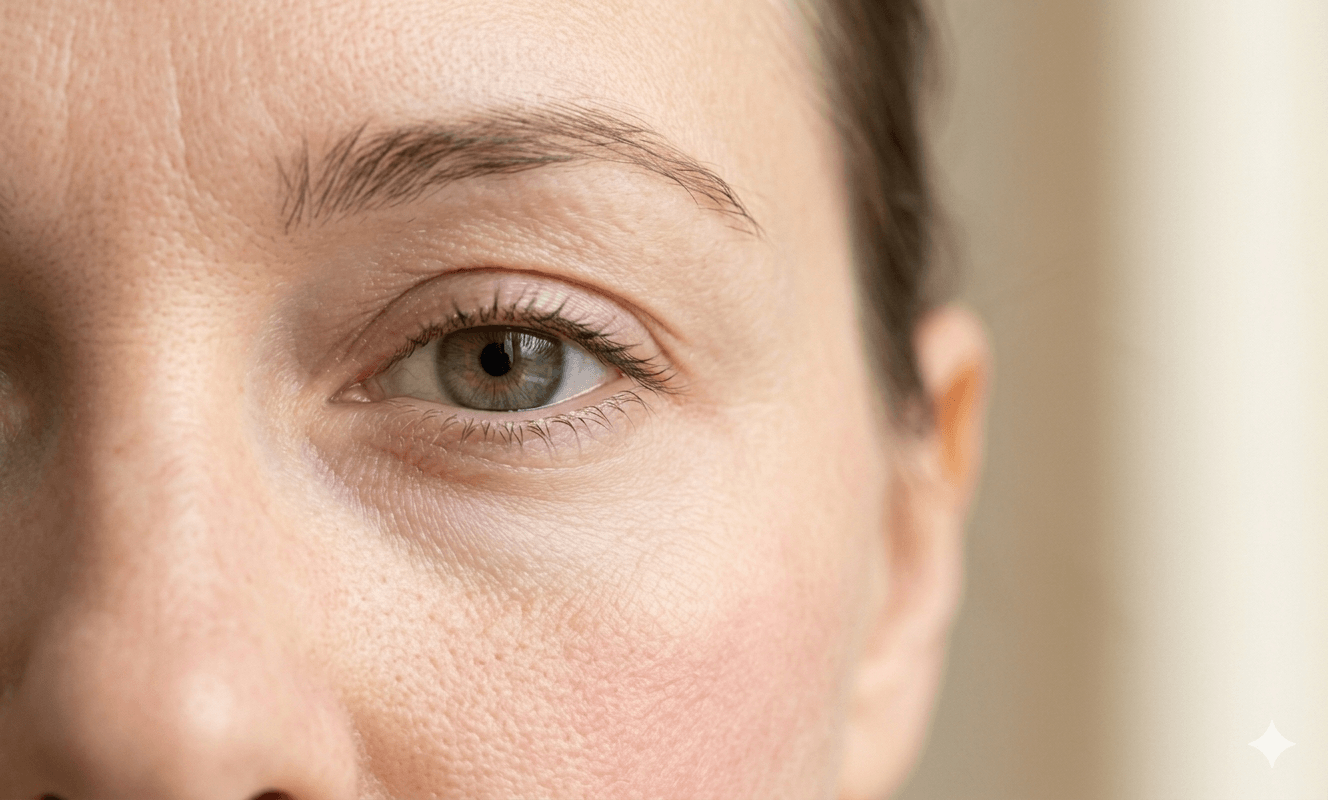
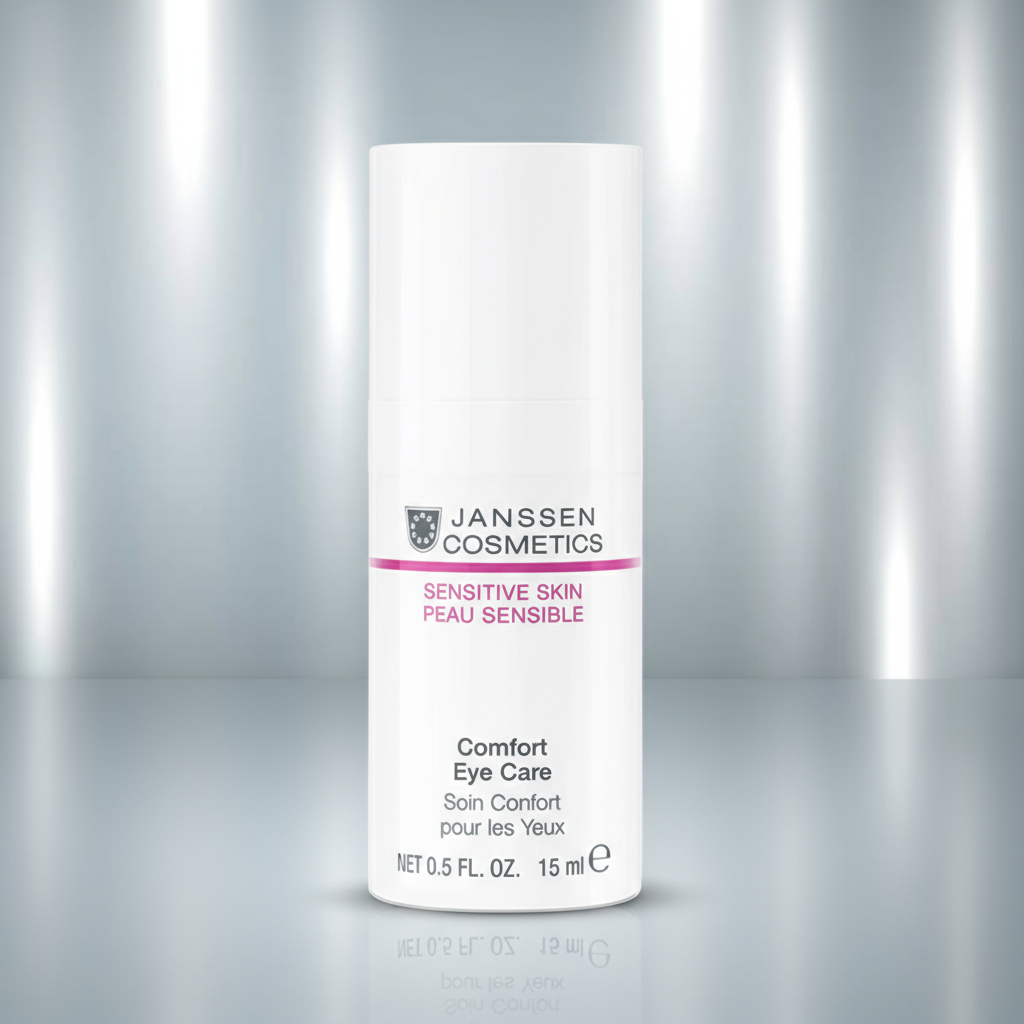
The eye area has less room for trial and error. Heavy textures, fragrance, or rubbing can make it feel tight or tired.
Skin interpretation
How to Care for Sensitive Skin Without Overworking It
With sensitive skin, the goal is not to do more. The goal is to remove the stress points. That may mean a softer cleanser, an alcohol-free hydrating toner, a calming serum only when needed, and a moisturizer texture the skin can wear without feeling coated.
- Cleanse lightly so the face feels clean, not stripped.
- Choose toner for a calm finish after washing, not a harsh “deep clean.”
- Introduce serum only when the skin needs an added calming layer.
- Keep daily SPF protection in the morning, especially when redness is easily triggered outdoors.
Less pressure works better
Sensitivity often improves when the plan becomes easier to read. Fewer new products, softer steps, and consistent textures help us see what the skin actually likes.
Ingredient clarity
Ingredients, in Plain Language
Sensitive-skin ingredients matter because the skin is often reacting to too much stimulation. The ingredient story is less about chasing trends and more about helping the surface feel settled, hydrated, and less easily overwhelmed.
Skin Defense Complex+
A plant-based complex used in Janssen’s sensitive line to help maintain a stronger-feeling barrier when skin is easily stressed.
Sensitive Complex
A botanical blend used for skin that looks flushed or feels tight; it belongs in care plans where redness-prone areas need a quieter touch.
Allantoin
A classic calming ingredient often used when a cleanser or toner needs to leave skin feeling soft instead of stripped.
Saccharide Isomerate
A moisture-binding carbohydrate that helps skin hold hydration longer, useful when sensitivity comes with tightness.
Panthenol
A vitamin B5 derivative often chosen for dry, stressed-feeling skin because it helps the surface feel smoother and less fragile.
Isostearyl Isostearate
An emollient used to improve slip and softness; it can make sensitive-skin creams feel more cushiony without turning the plan aggressive.
A calmer starting point
Cleanse, Tone, Calm, Moisturize
The first plan should be easy for the skin to understand. After consultation, our licensed esthetician may keep home care narrow at first, then adjust texture, serum use, or SPF based on how the skin responds.
Cleanse
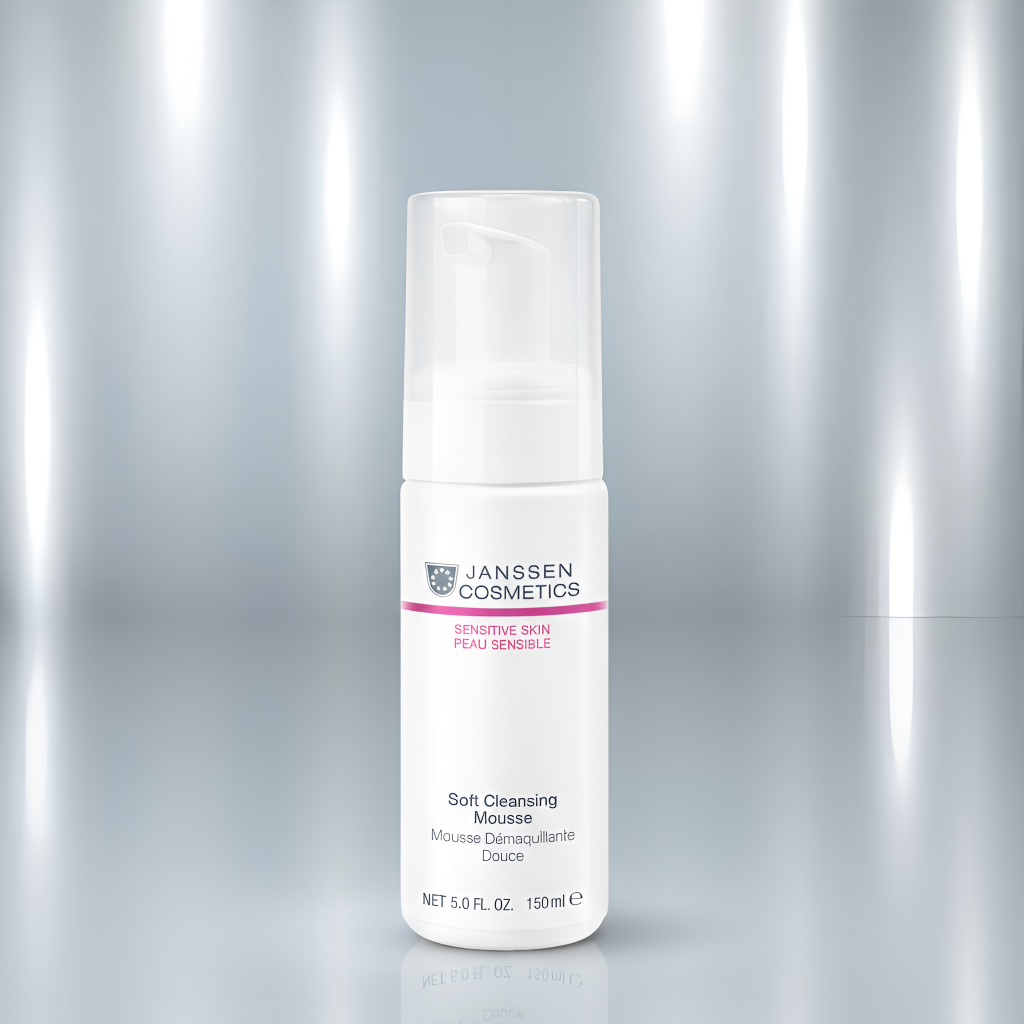
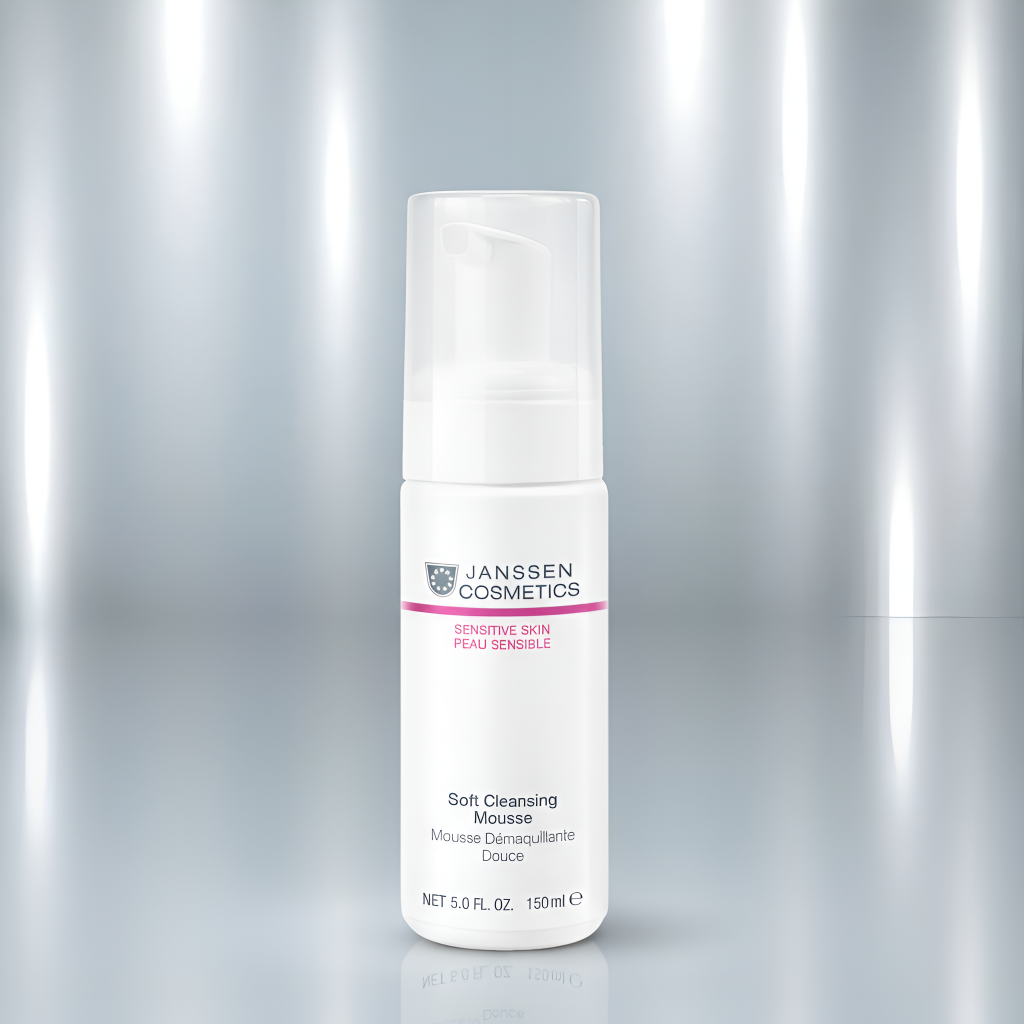
Soft Cleansing Mousse
A soft foam removes daily residue without making tightness the goal.
Tone
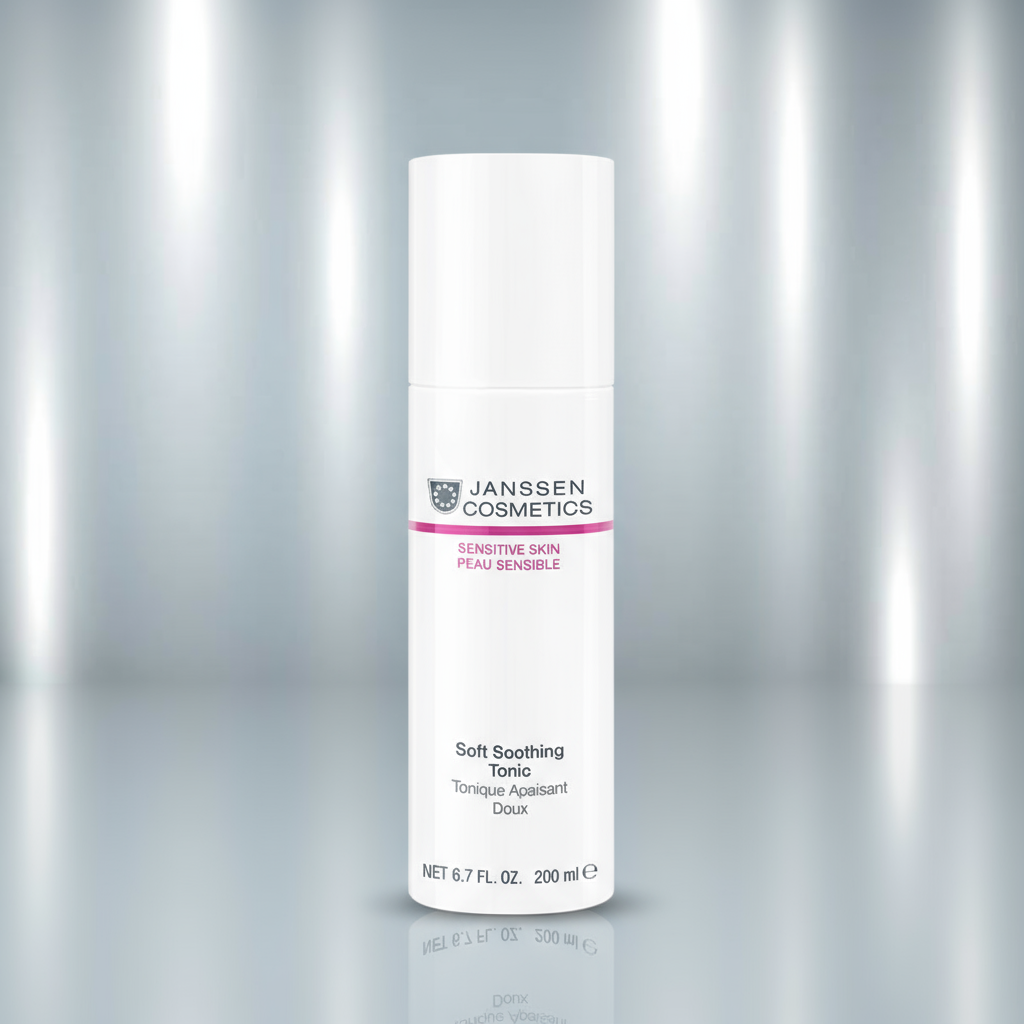
Soft Soothing Tonic
An alcohol-free hydrating toner can make the skin feel calmer after washing.
Comfort
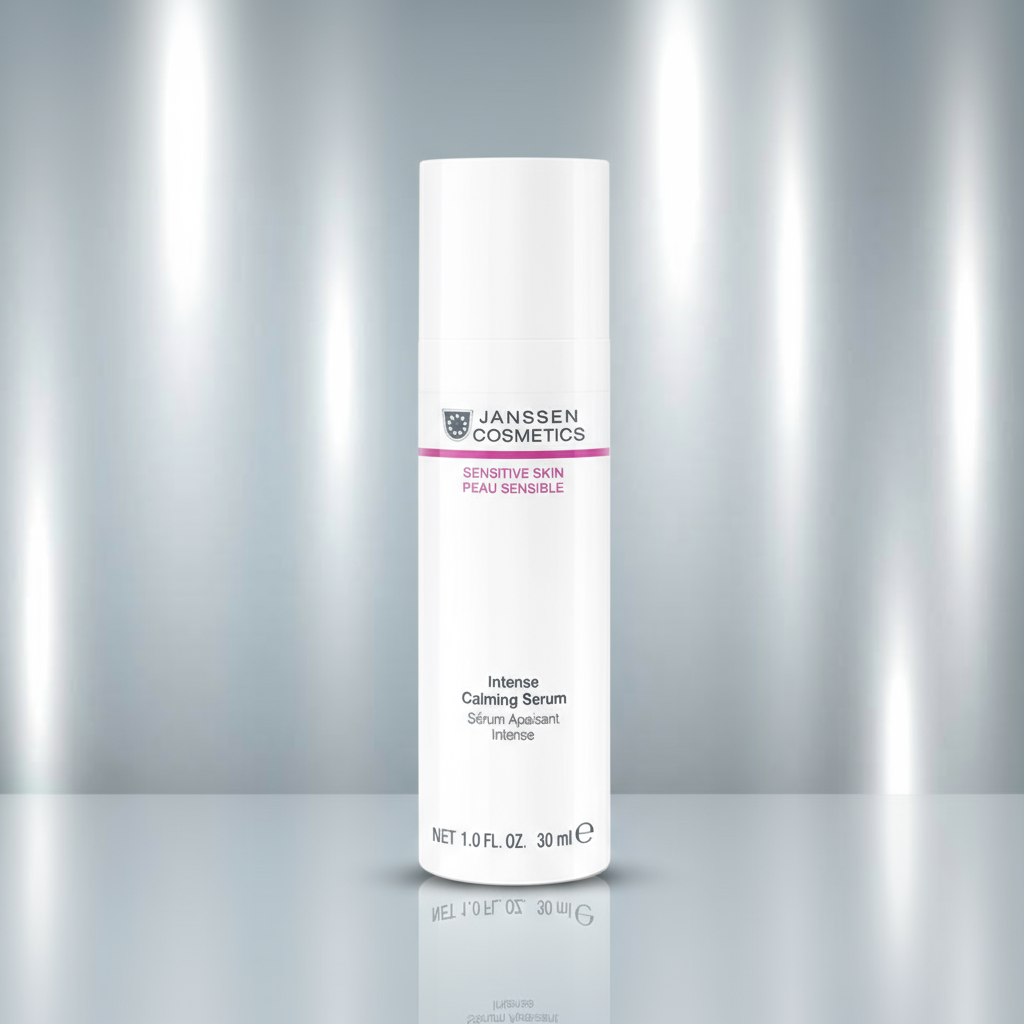
Intense Calming Serum
This layer makes sense when tightness, redness-prone areas, or repeated product reactions need extra attention.
Moisturize
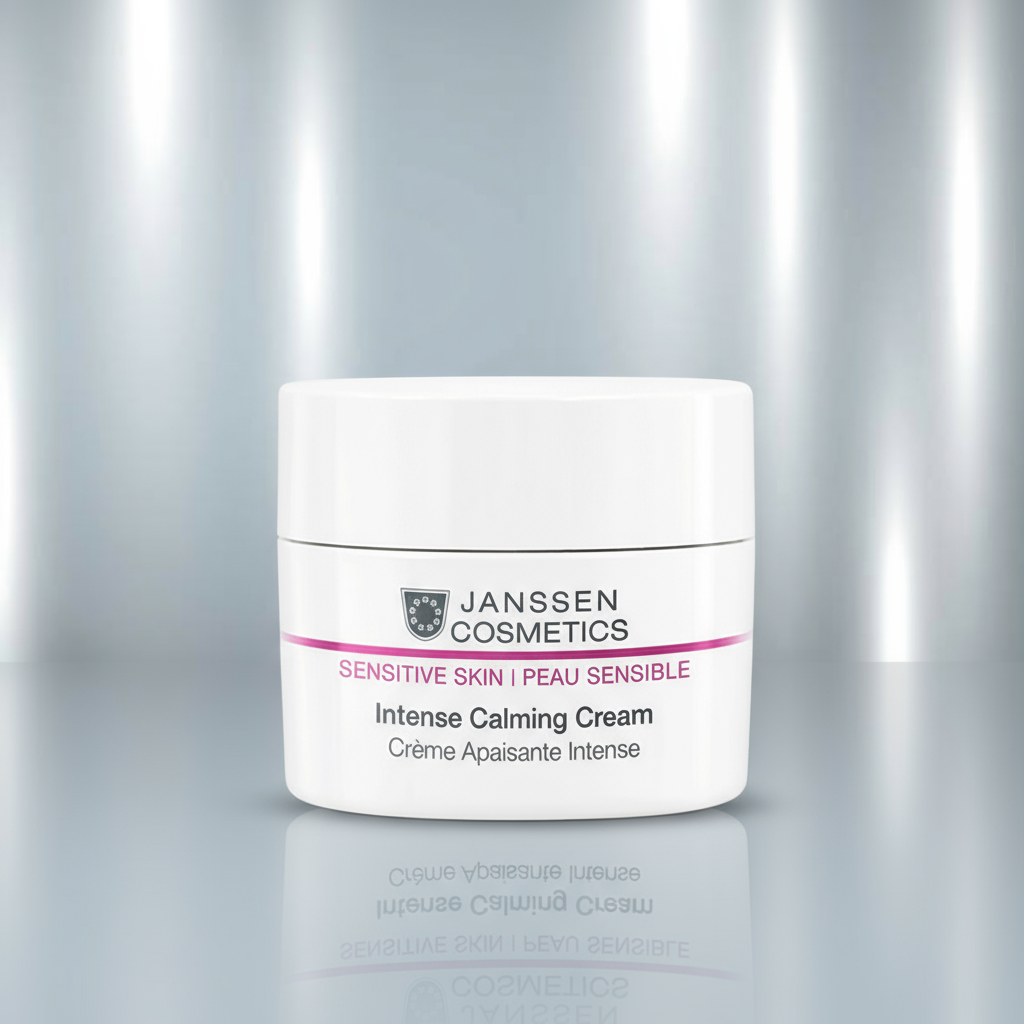
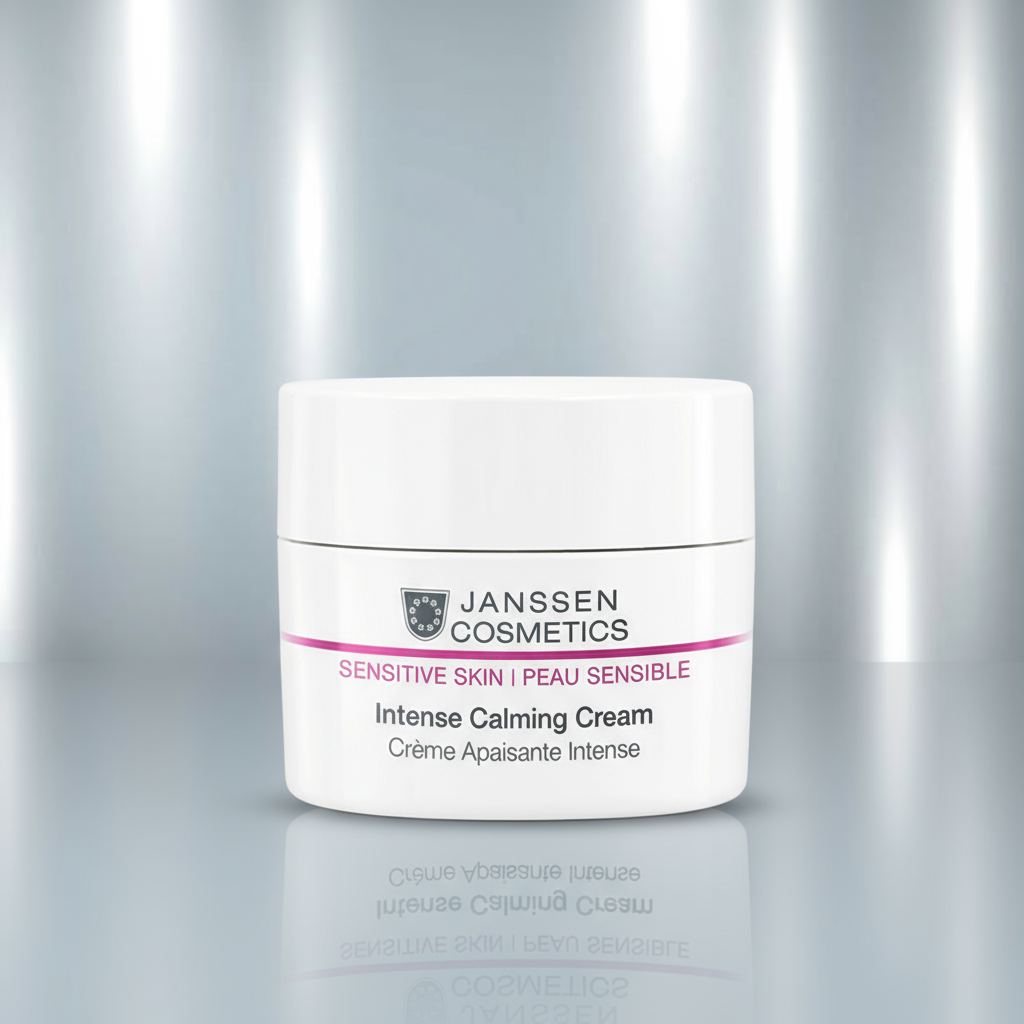
Intense Calming Cream
A cream helps keep moisture in place so the skin feels less exposed through the day or overnight.
When extra help makes sense
Sensitive Skin Add-Ons Should Have a Reason
Extra products are not automatically better for sensitive skin. They belong in the plan only when the pattern is clear, the base steps are tolerated, and there is a specific reason for adding them.
Redness-prone focus
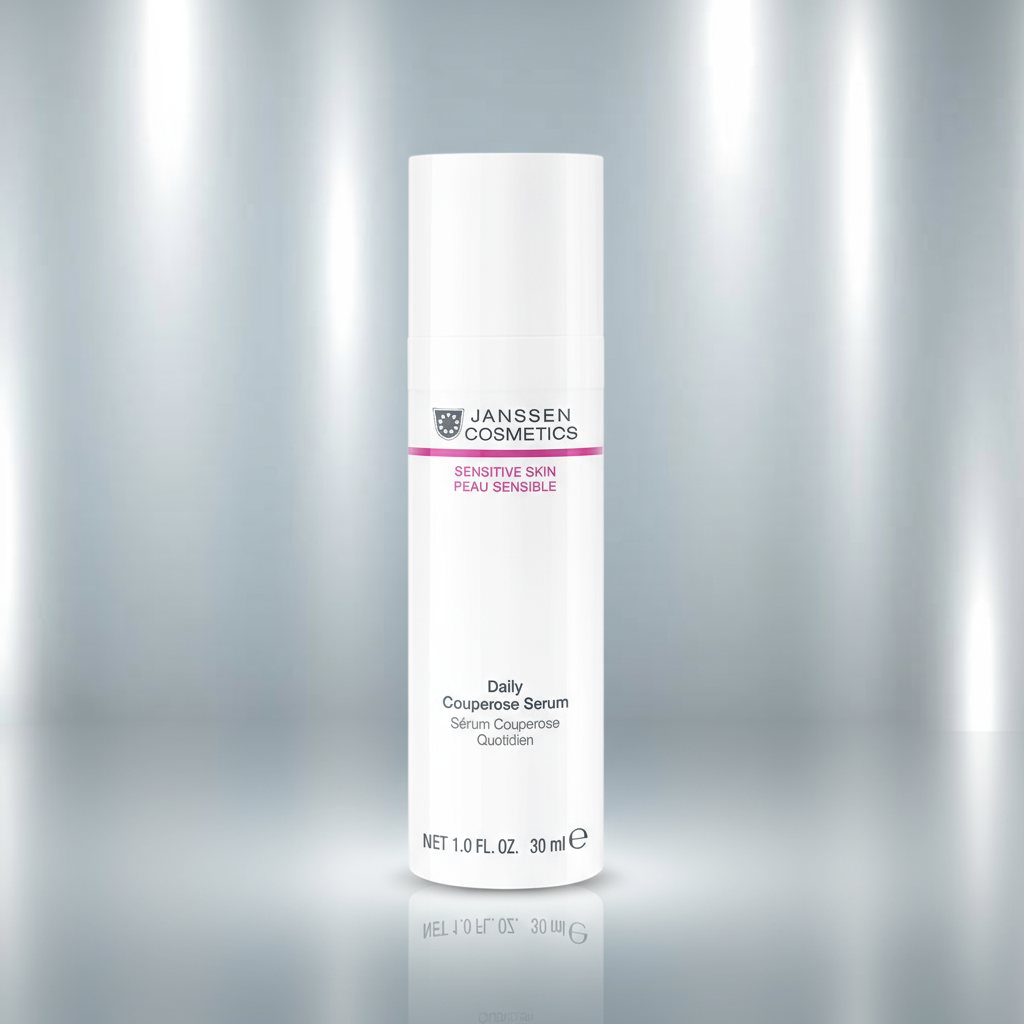
Daily Couperose Serum
A focused option when visible redness-prone areas need a more specific cosmetic approach.
Calming mask
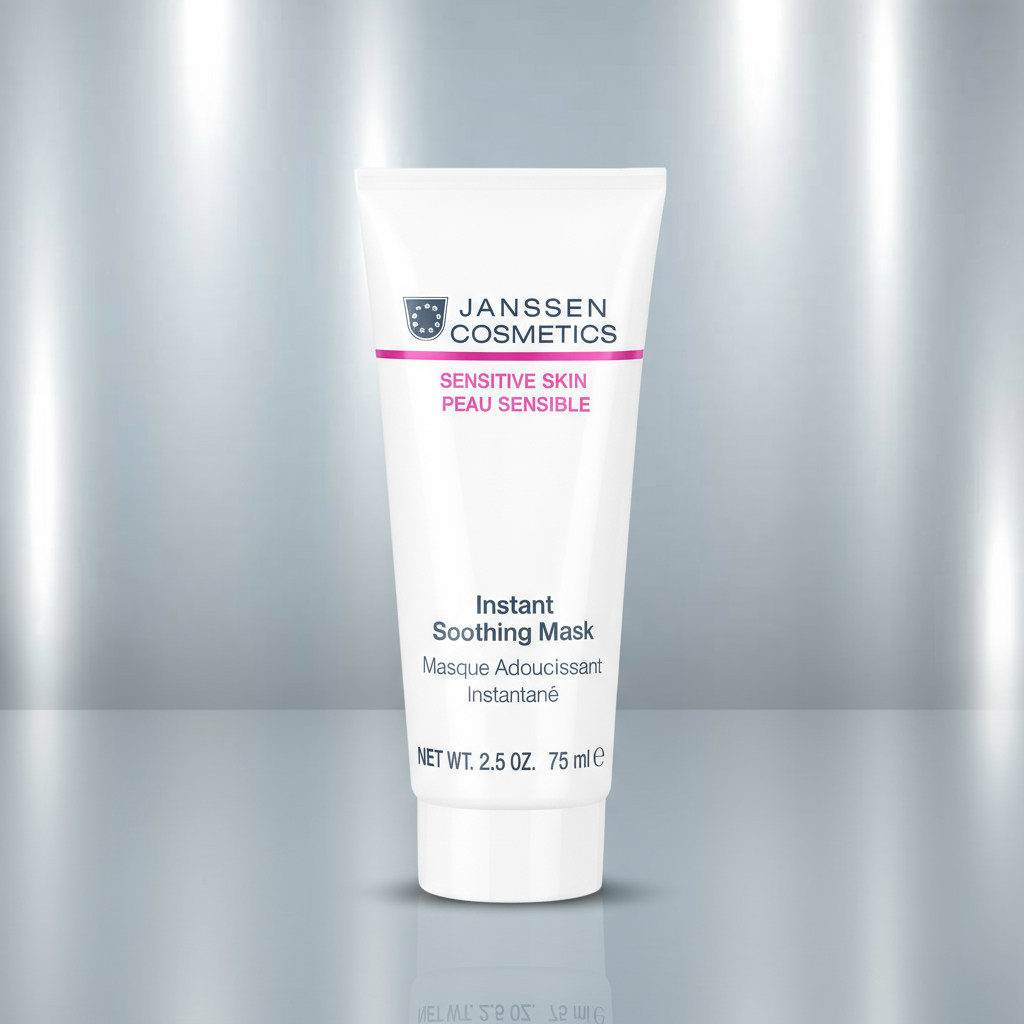
Instant Soothing Mask
A cream mask option for days when skin feels especially tight, stressed, or overworked.
Daily SPF protection
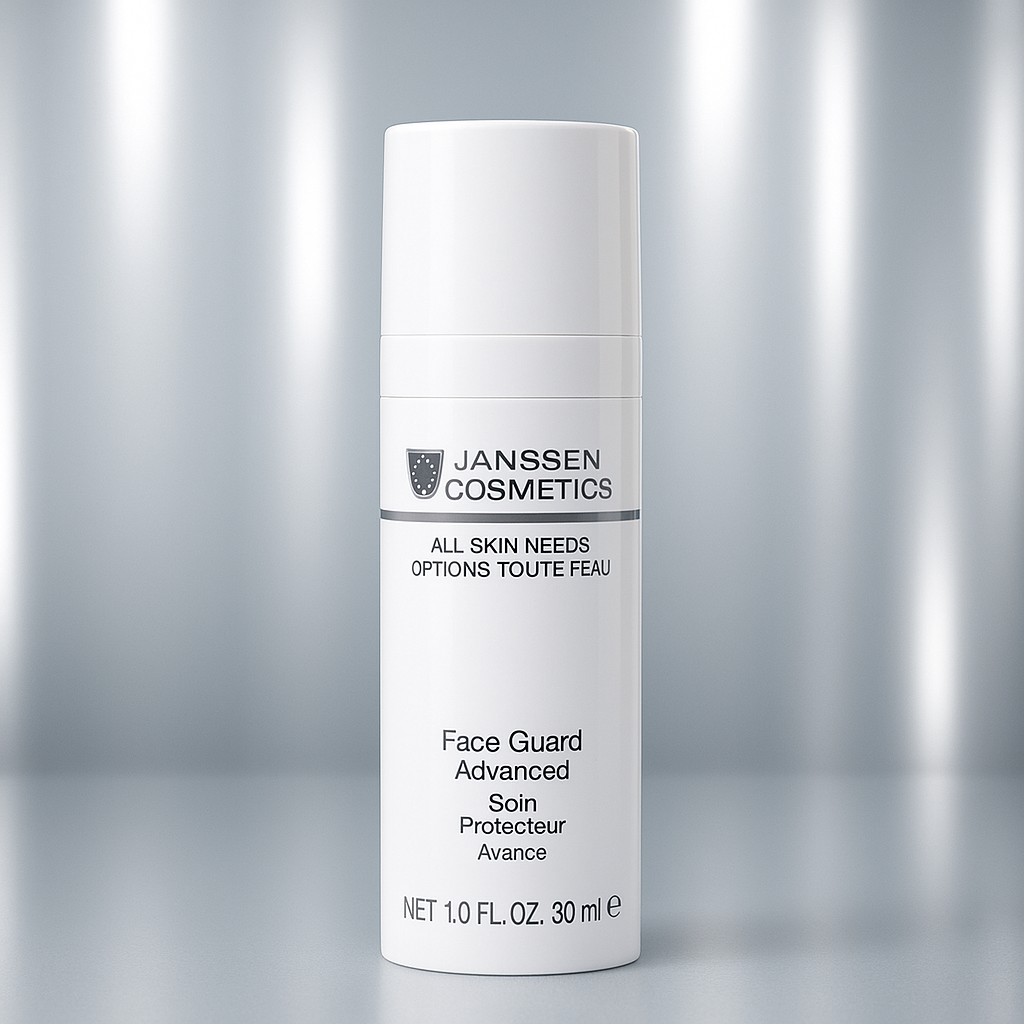
Face Guard Advanced
A daily SPF option to consider when outdoor exposure, heat, or light tends to make redness look more noticeable.
Common mistakes
Common Sensitive Skin Mistakes to Avoid
Sensitive skin mistakes usually happen when people try to correct too many things at once. The result is confusion: you cannot tell whether the cleanser, serum, exfoliant, or cream caused the reaction.
- Scrubbing rough patches can make the surface feel more fragile.
- Layering acids, retinol, vitamin C, and exfoliating products at once leaves no room to read the skin.
- Changing several products in the same week makes triggers harder to identify.
- Skipping moisturizer when redness looks calm can let tightness return.
- Treating redness-prone skin like oily congestion can lead to over-cleansing.
Products after skin review
Janssen Cosmetics Options After Consultation
After we understand the skin’s reaction pattern, Janssen Cosmetics options may be considered for cleansing, toning, calming, moisturizing, redness-prone areas, eye care, and daily SPF protection. The goal is not to buy the entire line. It is to choose the few products that match how your skin behaves.
-
Comfort Eye Care 15ML
$53.50 -
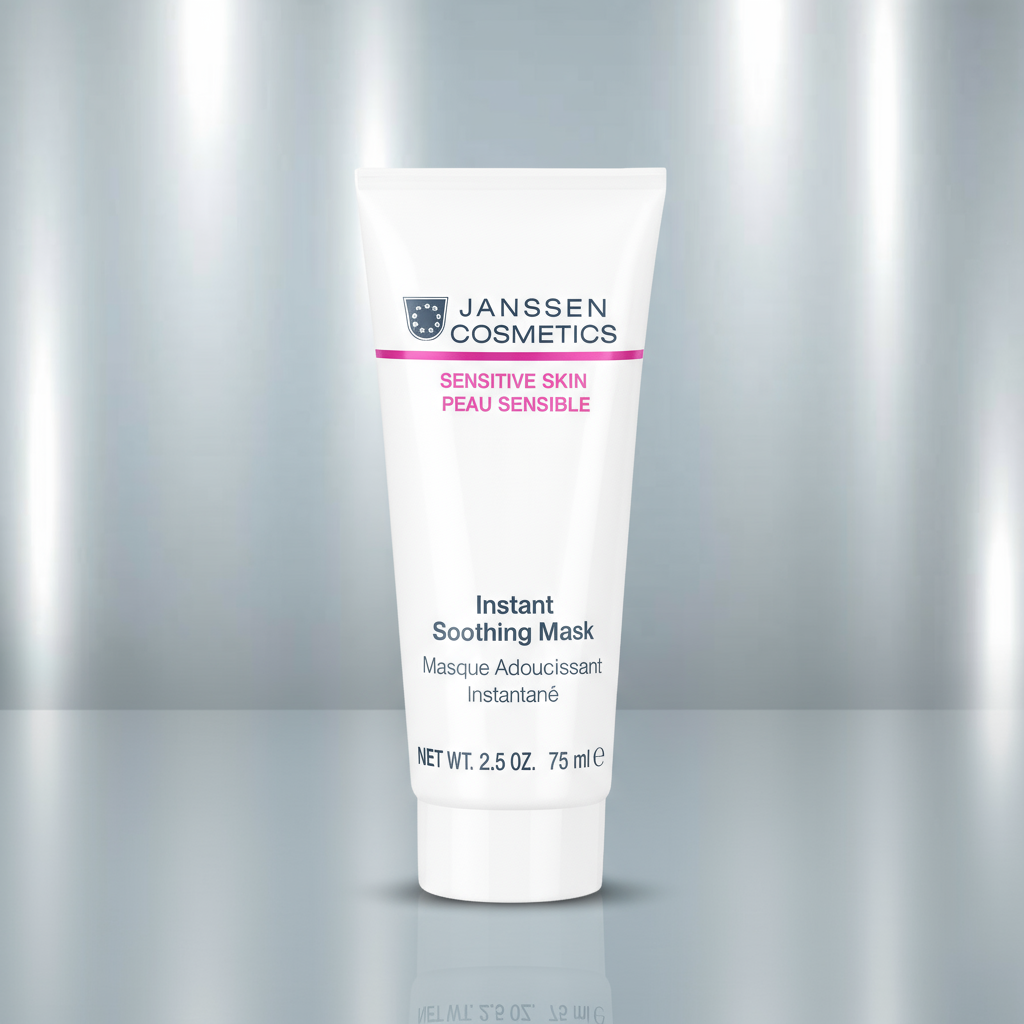
INSTANT SOOTHING MASK 75ML
$51.00 -
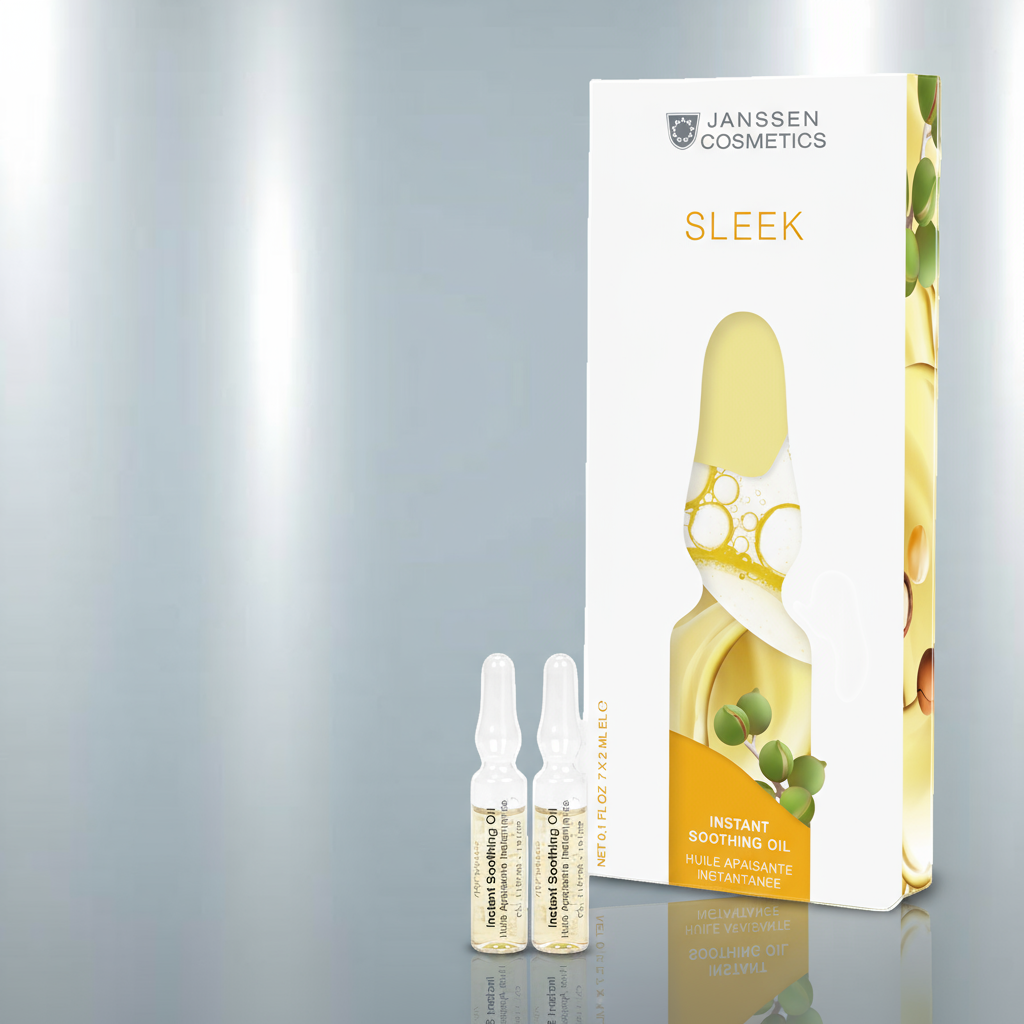
Instant Soothing Oil 7 x 2ML
$29.00 -
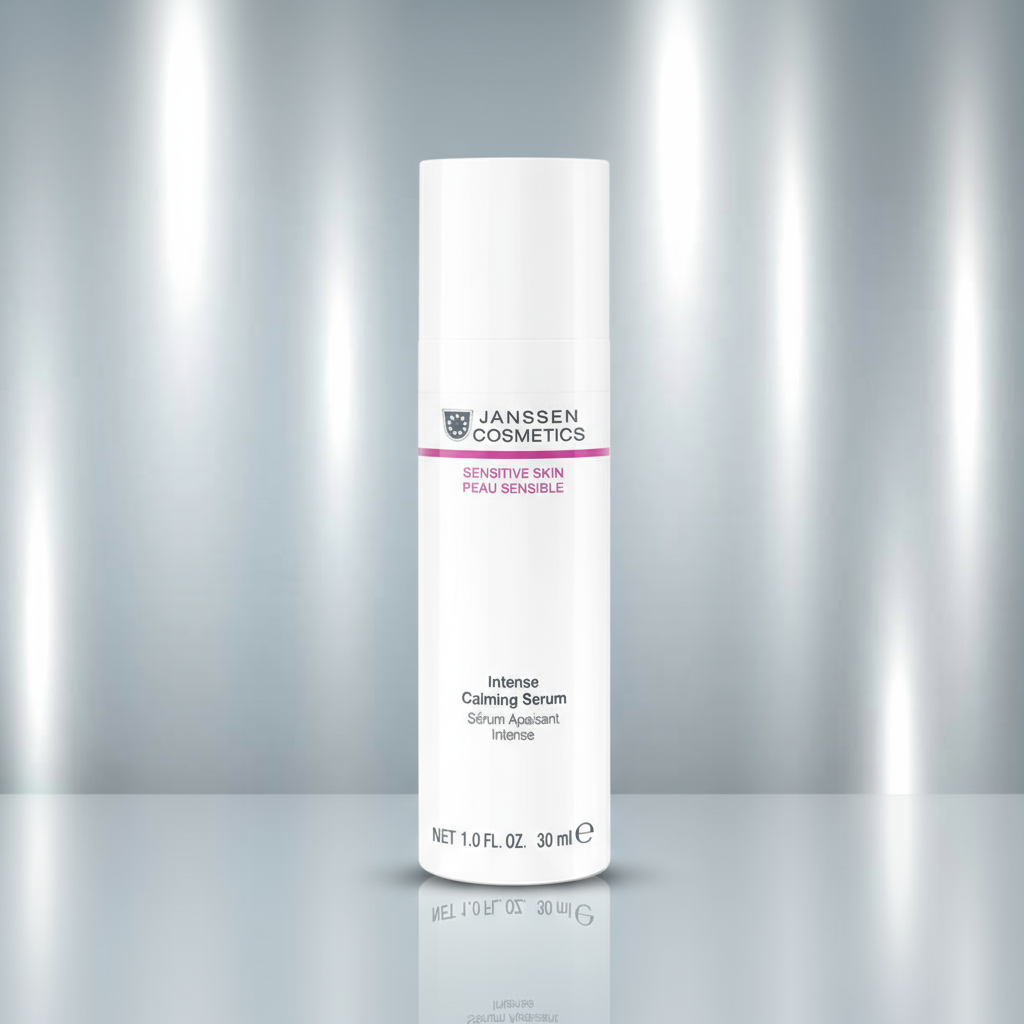
Intense Calming Serum 30ml
$59.00 -
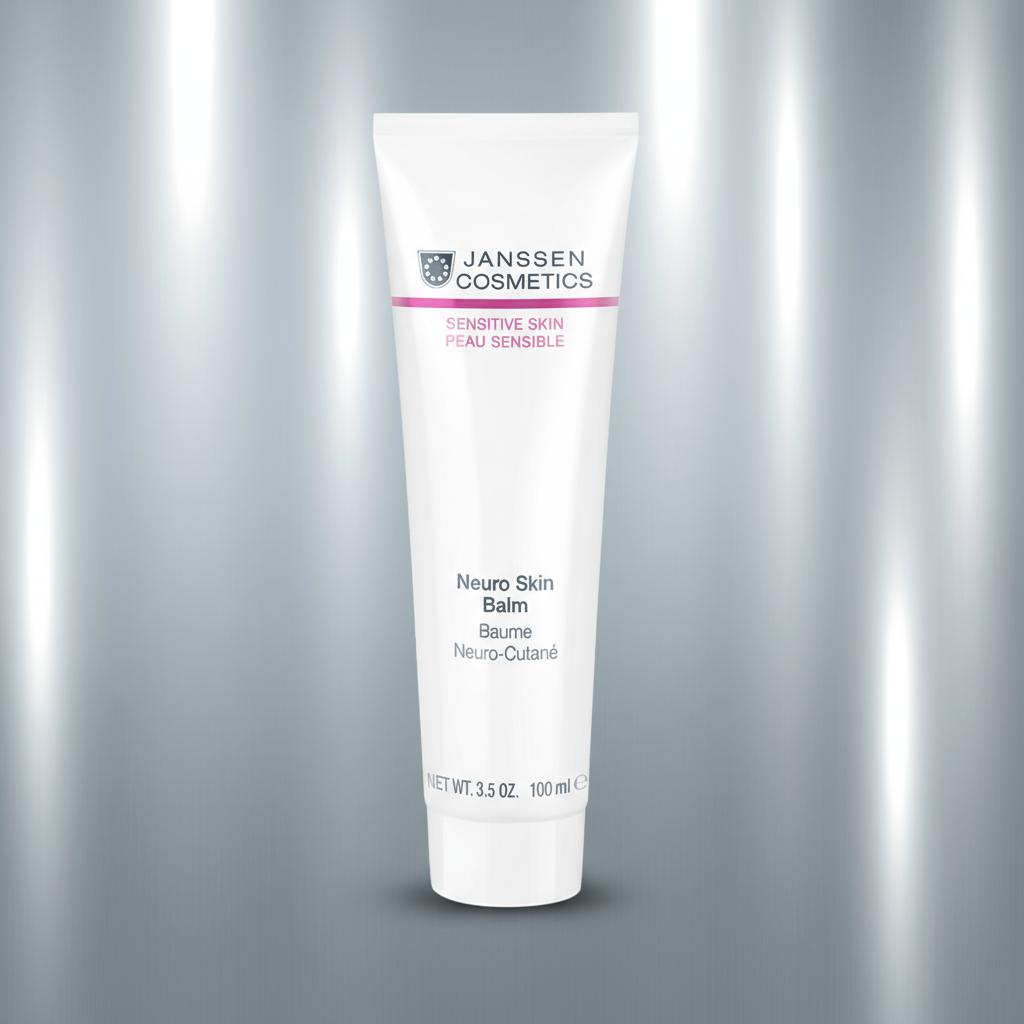
NEURO SKIN BALM 100ML
$69.50 -
Soft Soothing Tonic 200ml
$43.00 -
Intense Calming Cream 50ML
$53.50 -
Daily Couperose Serum 30ml
$59.00
FAQ
Sensitive Skin Questions
Sensitive skin may feel tight, hot, flushed, dry, or uncomfortable after certain products. It can also sting when a formula is too strong for the skin at that moment. The pattern matters more than one single sign.
Stinging can happen when a product is too active, when the skin barrier feels stressed, or when too many changes happen at the same time. It does not always mean the product is “bad,” but it does mean the skin should be reassessed before adding more.
Not exactly. Sensitive skin describes how easily the skin feels reactive. Redness-prone skin describes the visible flushing or redness that appears more easily on some complexions. They often overlap, but they are not the same concern.
Not always. Some sensitive skin can tolerate mild exfoliation, but timing matters. The base steps should feel steady first, and stronger exfoliants should not be combined blindly with retinol, acids, or multiple new products.
Sometimes. A serum may be useful when tightness, redness-prone areas, or repeated product reactions need more focused care. A cream helps keep moisture in place. Some clients need both, while others do better with fewer steps.
Because sensitive skin can also be dry, oily, combination, mature, or redness-prone. Our licensed esthetician looks at trigger history, product texture, cleansing habits, and how the skin responds before guiding product choices.
Understand your skin first
Not Sure Why Your Skin Feels Sensitive?
A free virtual consultation helps us understand when your skin feels reactive, which products have bothered it, and whether dryness, redness-prone areas, or barrier stress may be shaping the concern. From there, product choices can stay simple and intentional.


