
Oily skin is usually easy to feel, but not always easy to understand. You may notice shine, but only in certain areas. You may feel greasy by noon, but tight after cleansing. You may assume you have oily skin, when you actually have combination skin or dehydrated oily skin.
That is why it helps to look at patterns.
Does your whole face become shiny, or mainly your forehead, nose, and chin? Do your cheeks feel oily too, or do they feel normal or dry? Does moisturizer feel heavy, or does your skin still feel tight without it?
At Zendevie, we look at these clues before recommending products. Oily skin should be cared for with balance, not guesswork.
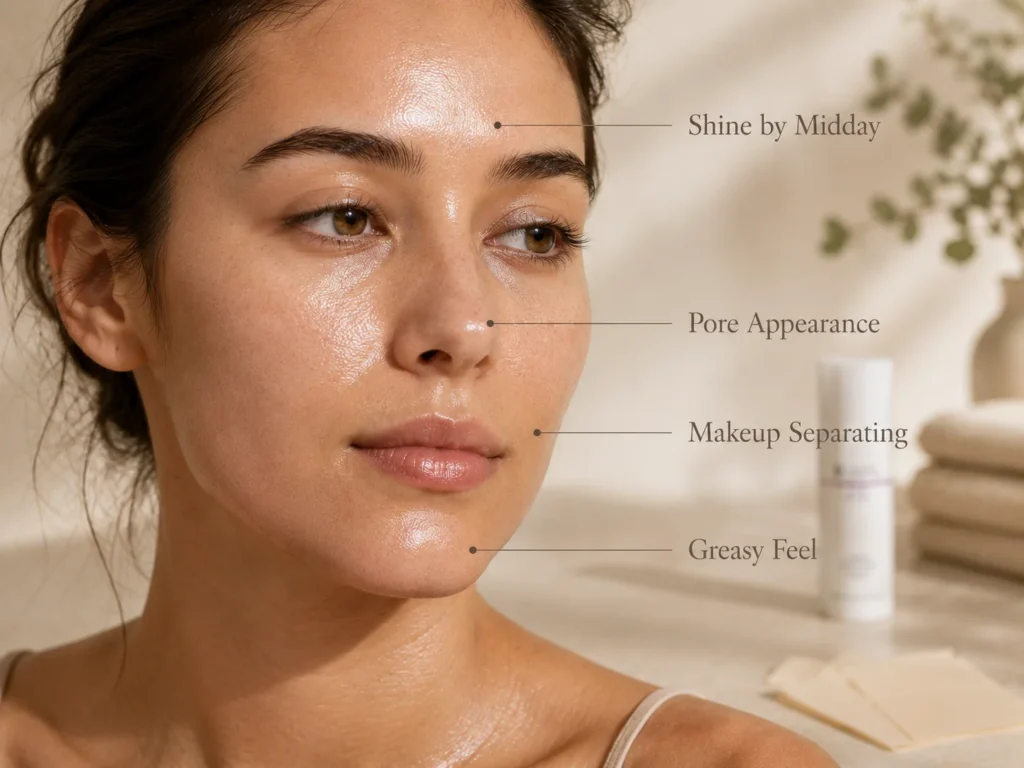
You may have oily skin if your face looks shiny soon after cleansing, especially across most areas of the face. You may also notice greasy texture, enlarged-looking pores, clogged-looking pores, makeup separating, and frequent shine during the day.
If only your T-zone is oily while your cheeks feel dry or normal, you may have combination skin.
Oily skin still needs gentle cleansing, lightweight hydration, moisturizer, and SPF.
For the full routine approach, read how to care for oily skin without stripping your skin.
Oily skin may show up in several ways:
Not every person with oily skin has every sign. Some people only notice shine. Others notice shine and congestion.
One easy way to observe oily skin is to check your face a few hours after cleansing.
Wash your face gently in the morning. Do not apply heavy products. After a few hours, look at your skin.
If your forehead, nose, cheeks, and chin all look shiny, you may have oily skin.
If only your forehead, nose, and chin are shiny but your cheeks feel dry or normal, you may have combination skin.
If your skin feels tight but looks shiny, dehydration may also be part of the concern.
If your skin becomes shiny very quickly, it may help to understand why your skin gets oily before changing your routine.
This is not a medical test. It is just a simple way to understand your skin pattern.
Oily skin and combination skin are often confused.
Oily skin usually produces excess oil across most of the face.
Combination skin usually has an oily T-zone but cheeks that feel dry, normal, or tight.
This difference matters because combination skin may need zone-based care. The T-zone may need clarifying support, but the cheeks may need comfort.
If you use oily skin products all over combination skin, your cheeks may become too dry.
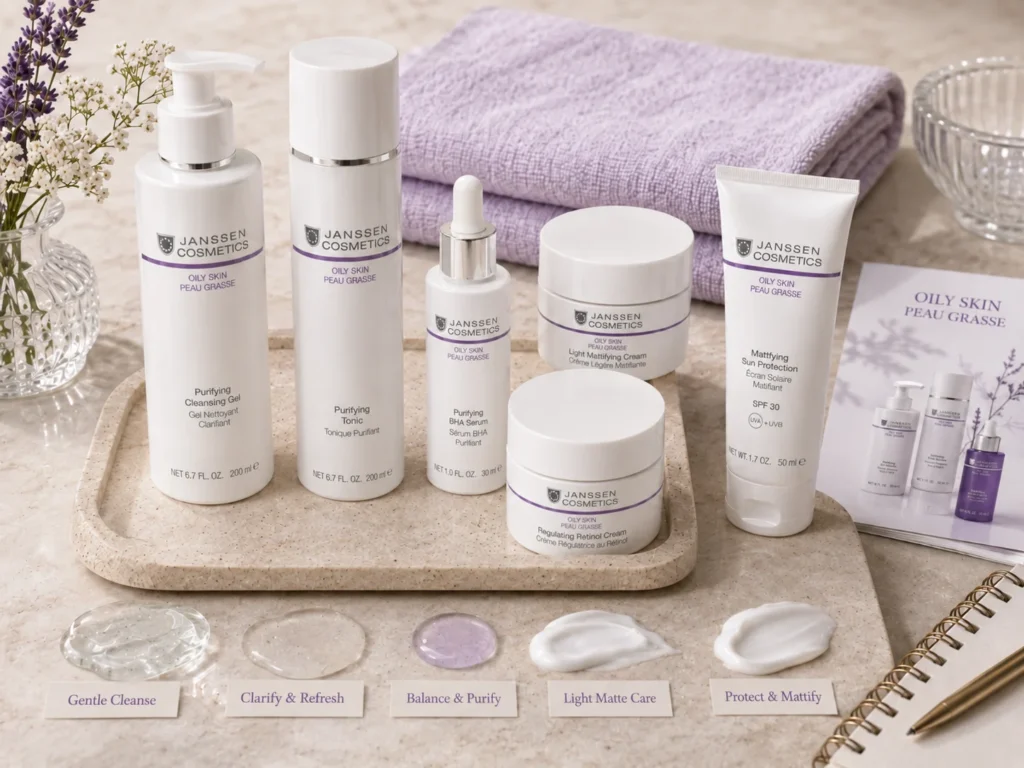
Oily skin can also be dehydrated.
This means your skin may produce oil but still lack water. You may feel oily and tight at the same time.
Signs of dehydrated oily skin include:
This is why oily skin should not skip hydration.
Oily skin and blemish-prone skin often overlap, but they are not exactly the same.
Some people have oily skin with very few blemishes. Others have blemish-prone skin that is not extremely oily.
If you have painful breakouts, cystic acne, scarring, or persistent acne, it is best to speak with a dermatologist.
For Zendevie skincare content, we describe cosmetic support safely, using phrases like:
Your routine can also reveal your skin type.
You may have oily skin if:
Still, oily skin should not be dried out. The skin needs a light but supportive routine.
Oily skin often prefers:
The right texture should help your skin feel fresh without making it tight.
Cleanser: Remove oil without stripping.
Tonic: Help the skin feel fresh and balanced.
Serum: Use targeted support if needed.
Moisturizer: Choose lightweight hydration.
SPF: Protect the skin during the day.
Cleanser: Remove oil, sunscreen, and buildup.
Tonic: Refresh and prepare the skin.
Targeted support: Use only when appropriate.
Moisturizer: Keep the skin comfortable overnight.
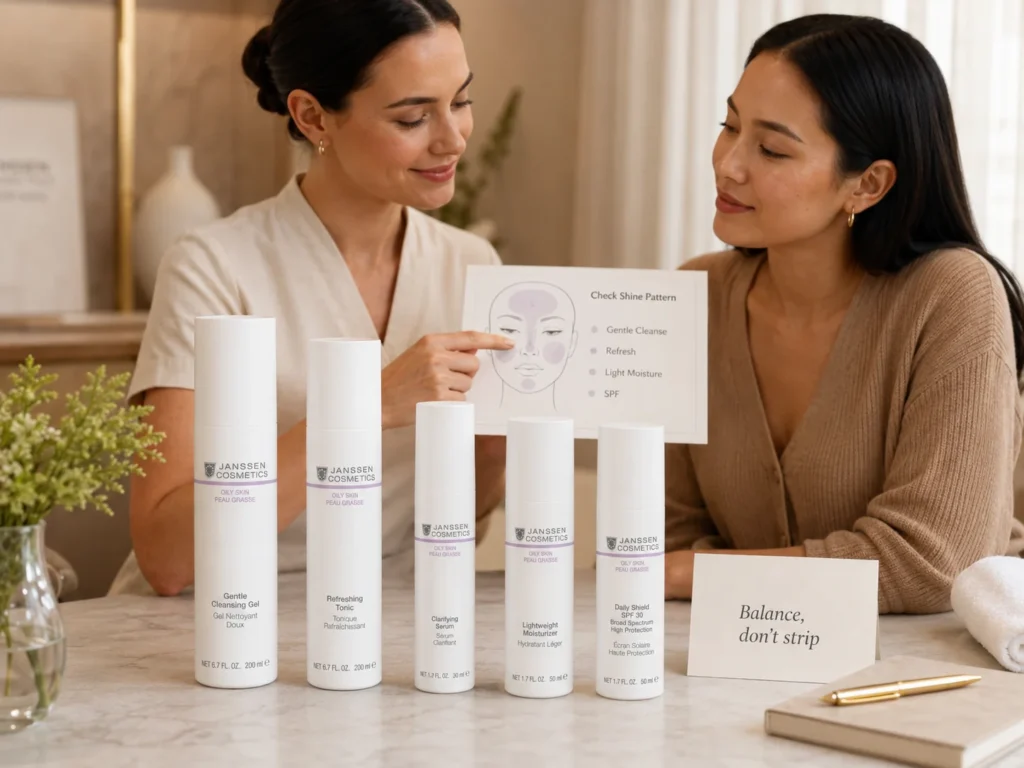
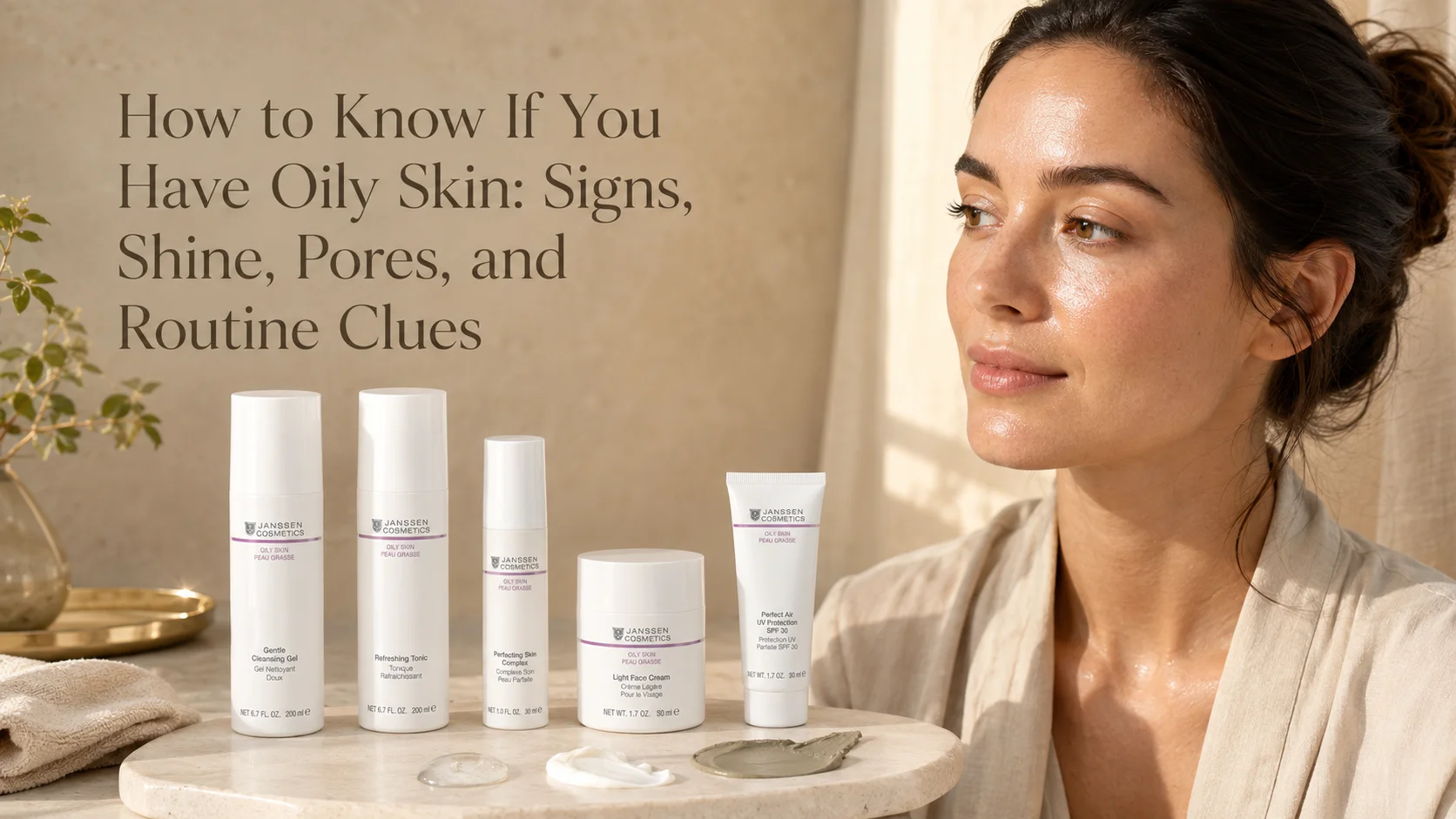
Products that may be discussed during an oily skin consultation include:
These products may support oily skin routines, but they should be selected based on the full skin picture.
Do not assume shine means your skin needs harsh products.
Do not skip moisturizer.
Do not use a full-face clay mask too often.
Do not treat combination skin like fully oily skin.
Do not combine acids, retinol, and exfoliating masks without guidance.
Do not ignore sensitivity or tightness.
You may have oily skin if most areas of your face become shiny quickly after cleansing and your skin often feels greasy during the day.
Not always. If only your T-zone is oily and your cheeks are dry or normal, you may have combination skin.
Yes. Oily skin can feel tight when it is dehydrated or when the cleanser is too harsh.
They can be a clue, especially around the nose and cheeks, but they should be considered with other signs.
Lightweight, non-heavy textures usually work best. A consultation can help match the right product.

Zendevie is guided by Haby Diallo, a licensed esthetician with more than 20 years of professional skincare experience. Her approach is rooted in education, professional judgment, and personal care.
years of experience