
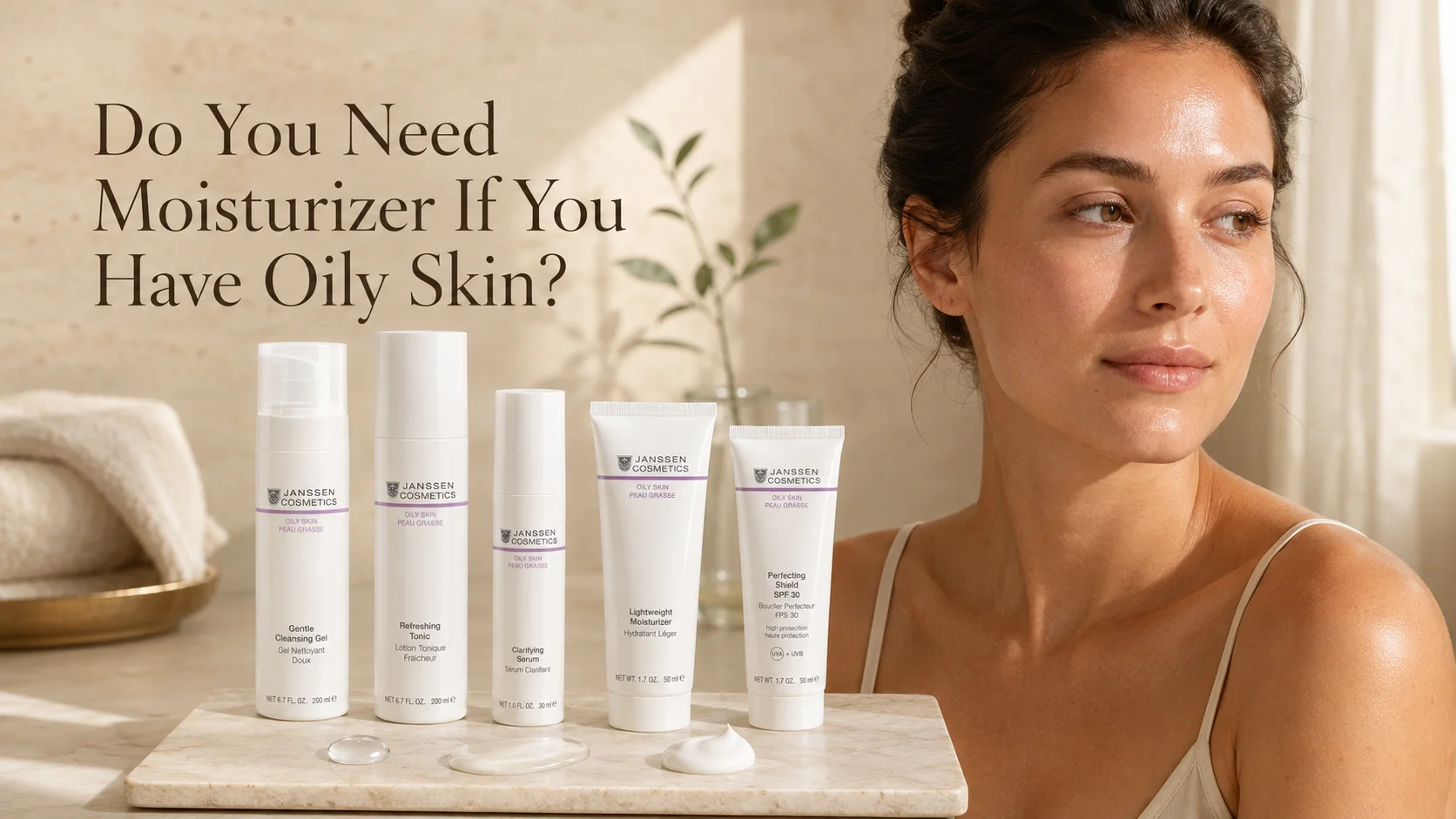
If your skin is oily, moisturizer may feel like the last thing you want to use. Your face already looks shiny. Your T-zone already feels greasy. You may worry that moisturizer will make your pores look clogged or cause your makeup to slide off faster.
But skipping moisturizer is one of the most common mistakes people make with oily skin.
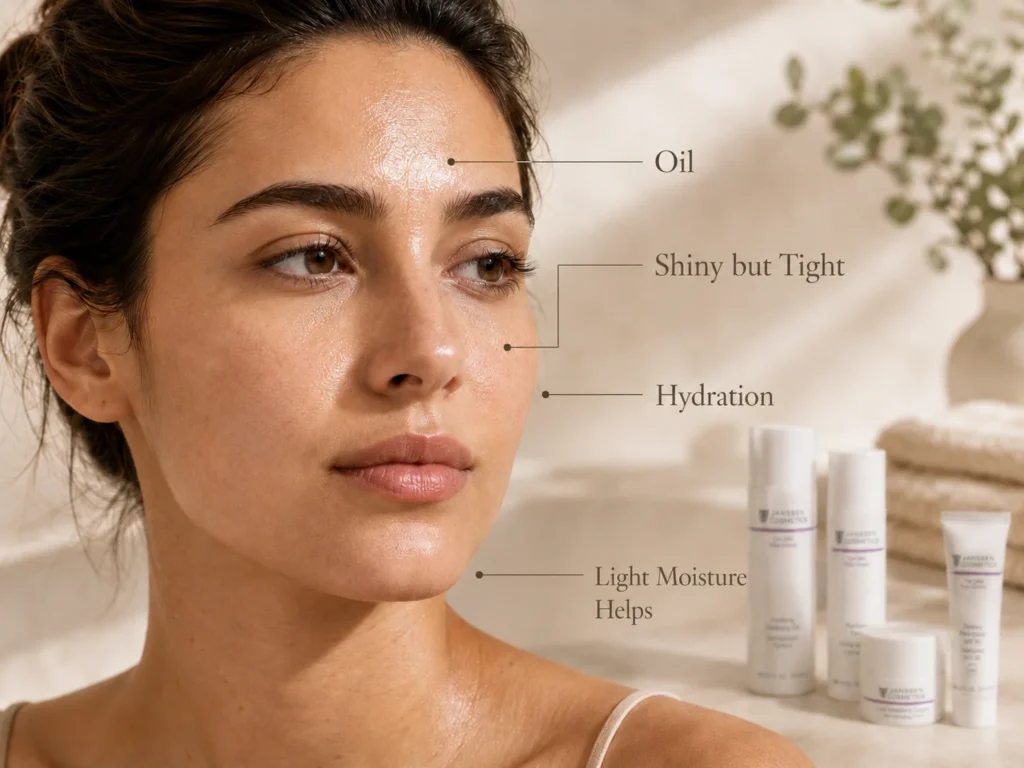
Oily skin produces oil, but oil is not the same as hydration. Your skin can have excess oil on the surface and still lack water underneath. When that happens, the skin may look shiny but feel tight, dull, or uncomfortable.
At Zendevie, we do not recommend drying oily skin out. We focus on helping it feel balanced.
Yes, oily skin still needs moisturizer. The key is choosing a lightweight, non-heavy moisturizer that supports hydration without making the skin feel greasy.
Skipping moisturizer can leave oily skin feeling dehydrated, tight, or uncomfortable, especially if you use cleansers, exfoliants, BHA, AHA, or retinol-style products.
A good oily skin moisturizer should feel light, fresh, and comfortable.
Before skipping moisturizer, it helps to understand how to care for oily skin without stripping your skin.
This is the most important point.
Oil is sebum. Hydration is water.
Your skin may produce plenty of oil but still lack water. That is why some people say, “My skin is oily but tight.”
When oily skin is dehydrated, it may feel:
A lightweight moisturizer can help support comfort without adding heaviness.
Oily skin still has a barrier that needs support. When the barrier feels stressed, the skin may react more easily to products.
Moisturizer helps support comfort, especially when the routine includes cleansing, tonic, exfoliation, or active ingredients.
Without moisturizer, oily skin may feel:
A moisturizer is not just about adding oil. It is about supporting the skin.
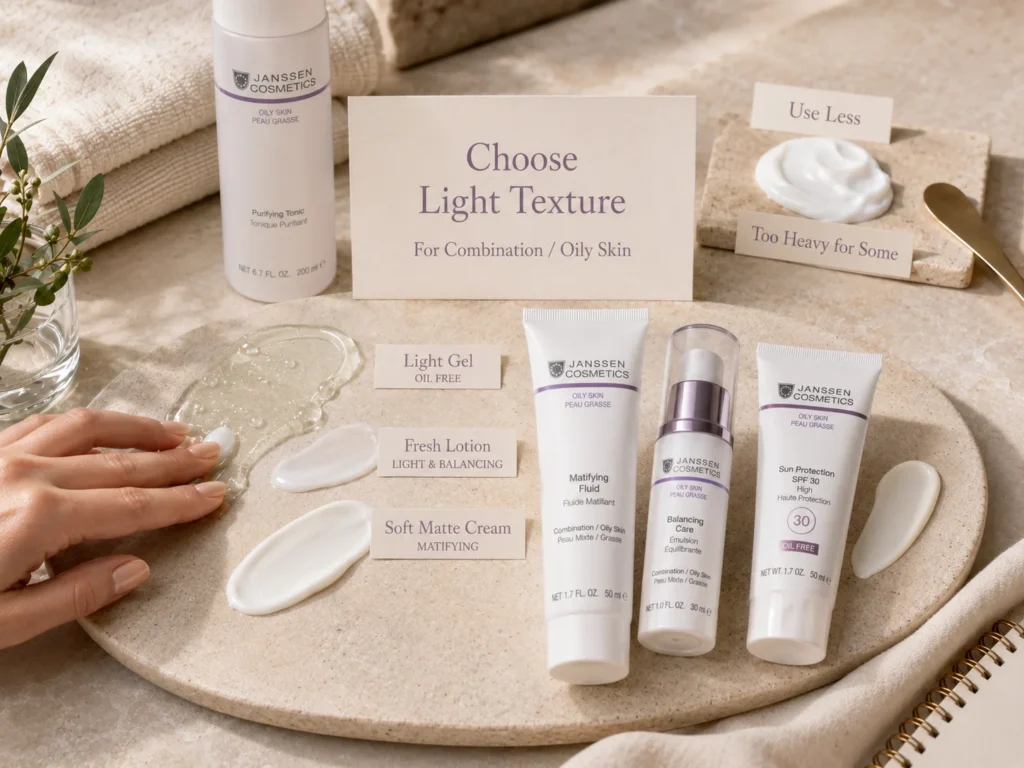
Oily skin usually does best with lightweight textures.
Look for moisturizers that feel:
Some oily skin prefers gel textures. Some prefers light creams. Some needs a mattifying moisturizer.
The right moisturizer should not make the skin feel coated.
Noncomedogenic means a product is formulated not to clog pores.
For oily or clogged-looking skin, this can be helpful language to look for. It does not guarantee that every product will work for every person, but it can guide better product selection.
Texture and tolerance still matter.
Your oily skin may need more moisture if:
Moisturizer can help support the skin while active products do their work.
The wrong moisturizer can feel too heavy.
A rich cream made for very dry skin may not feel good on oily skin. It may make the face look shinier or feel coated.
But that does not mean oily skin should skip moisturizer. It means oily skin needs the right moisturizer.
The goal is lightweight hydration and comfort.
Step 1: Cleanse gently
Remove overnight oil without stripping the skin.
Step 2: Use tonic
Help the skin feel fresh and ready for care.
Step 3: Apply serum if needed
Use targeted support only when appropriate.
Step 4: Apply lightweight moisturizer
Use a thin layer. More is not always better.
Step 5: Apply SPF
Choose a comfortable daytime texture.
Step 1: Cleanse
Remove oil, sunscreen, makeup, and buildup.
Step 2: Use tonic
Refresh the skin.
Step 3: Apply targeted support if needed
Use active products carefully.
Step 4: Apply lightweight moisturizer
Help the skin feel comfortable overnight.
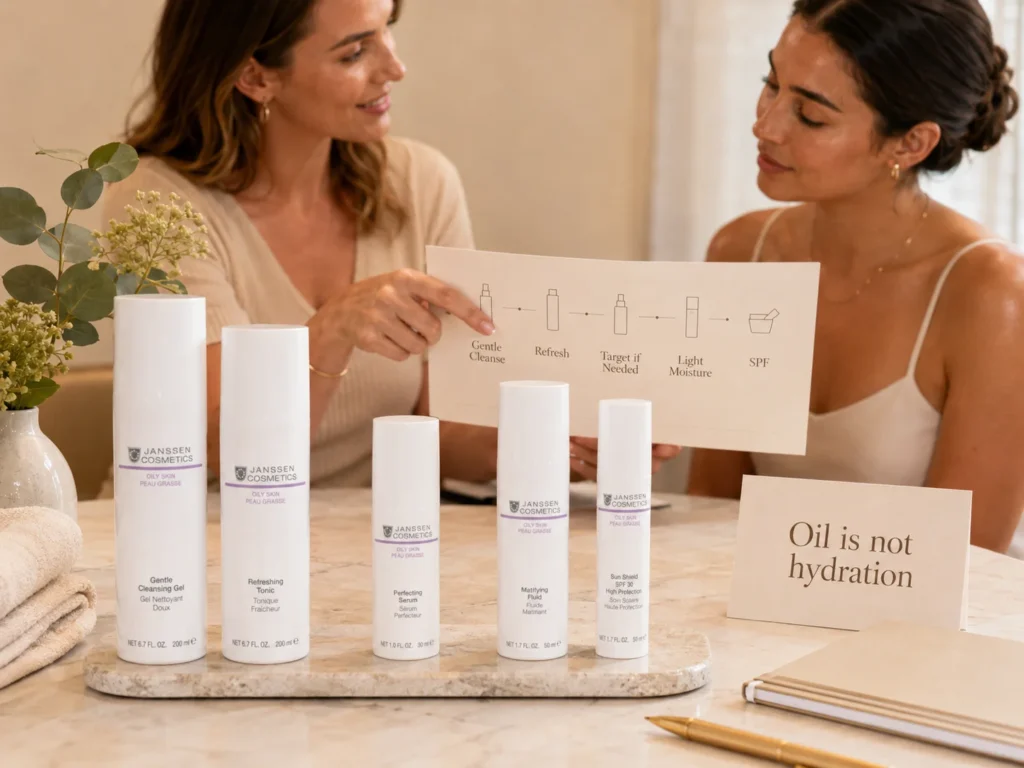
Products that may be discussed during a Zendevie consultation include:
These are consultation-based examples. Oily skin can still be sensitive, dehydrated, or combination, so product choice should be personalized.
Do not skip moisturizer because your skin is shiny.
Do not choose a rich cream if your skin feels congested.
Do not use active products without moisture support.
Do not assume matte means dry.
Do not apply too much moisturizer at once.
Do not ignore tightness after cleansing.
Yes. Oily skin still needs moisturizer, but the texture should be lightweight and comfortable.
The wrong moisturizer can feel too heavy, but the right lightweight moisturizer can help support balance.
Yes. Oily skin can have oil on the surface but still lack water.
Lightweight gel, lotion, or mattifying cream textures often work well.
Yes. Moisturizer at night can help support comfort after cleansing and active products.
Serum and moisturizer do different things. A serum may support targeted concerns, while moisturizer supports comfort.
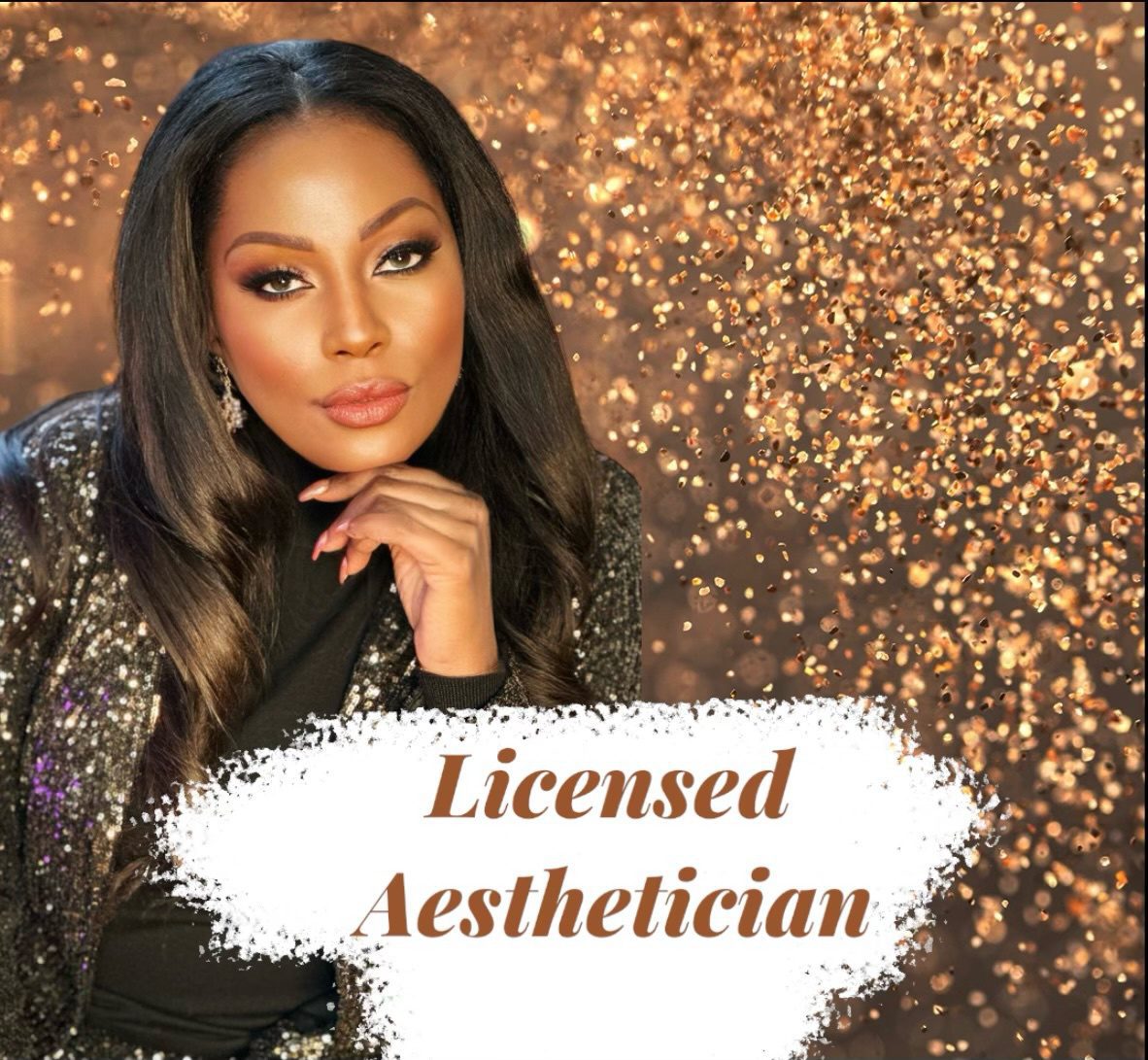
Zendevie is guided by Haby Diallo, a licensed esthetician with more than 20 years of professional skincare experience. Her approach is rooted in education, professional judgment, and personal care.
years of experience