

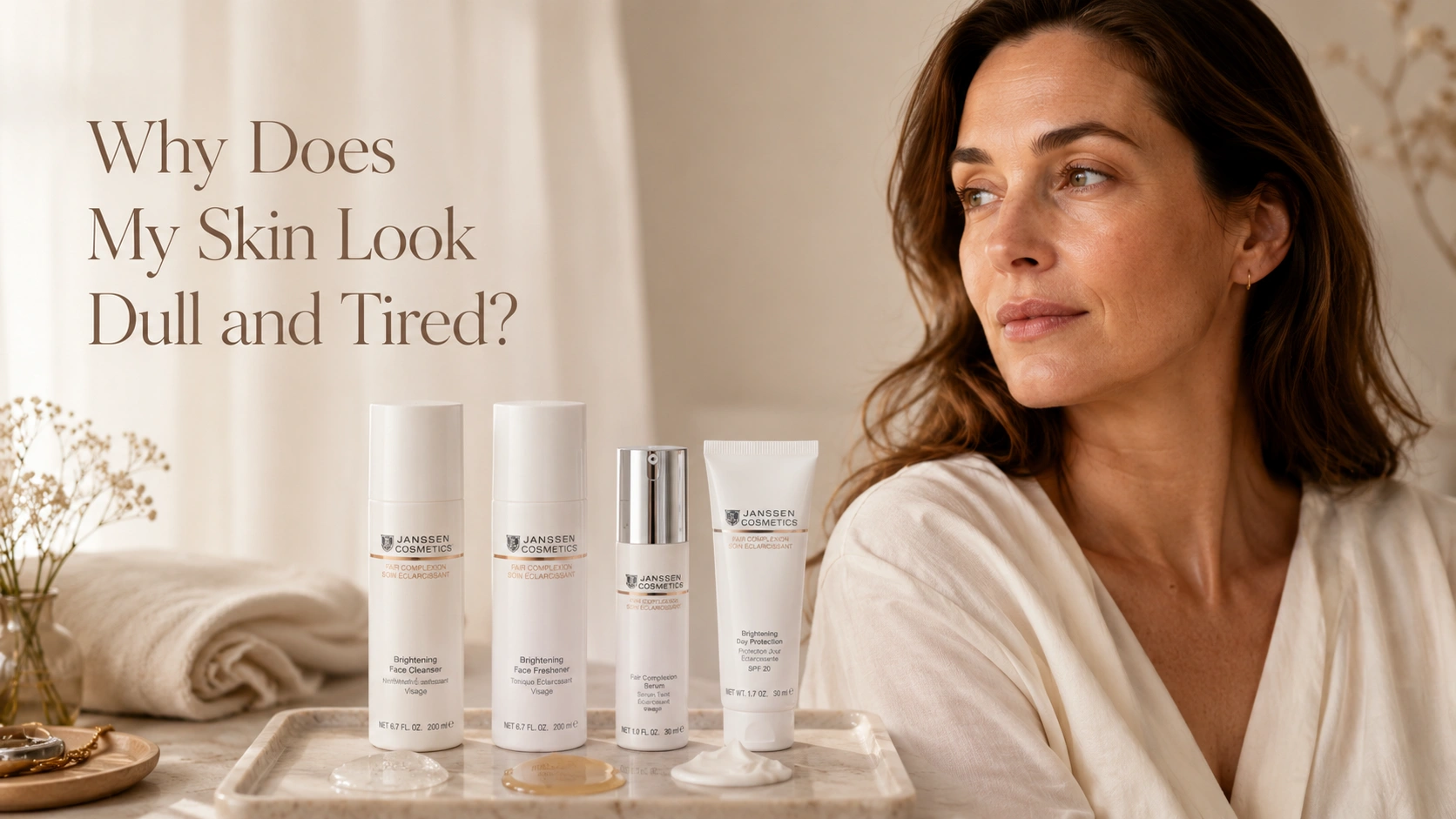
Some days, your skin does not look like itself. It may look flat, tired, grayish, dry, rough, or less fresh than usual. You may still be doing your skincare routine, but the glow is missing. Makeup may not sit as smoothly. Your face may look like you did not sleep well, even when you did.
This is often what people mean when they say their skin looks dull or tired.
Dull-looking skin is not always about age. It can happen when the skin is dehydrated, dry, over-exfoliated, stressed, exposed to environmental factors, or simply not getting the right routine support. Sometimes the skin needs hydration. Sometimes it needs gentle renewal. Sometimes it needs antioxidant support. Sometimes it just needs a simpler, more consistent routine.If your skin starts fresh but fades later, review why your skin looks dull by the end of the day.
At Zendevie, this type of skin concern is approached with care. The goal is not to force the skin into a dramatic transformation. The goal is to understand why the skin looks tired and build a routine that supports a fresher, smoother, more radiant-looking complexion.
Your skin may look dull and tired because of dehydration, dryness, dead surface buildup, stress, lack of sleep, sun exposure, pollution, over-exfoliation, or a routine that does not match your skin’s current needs.
A good routine for dull or tired-looking skin usually includes gentle cleansing, a freshening tonic, hydration, antioxidant support such as vitamin C when appropriate, a moisturizer that fits your skin, and SPF during the day.
The key is balance. Glow should not come from scrubbing the skin too hard or layering too many active ingredients. Healthy-looking radiance usually comes from consistency, hydration, gentle renewal, and protection.
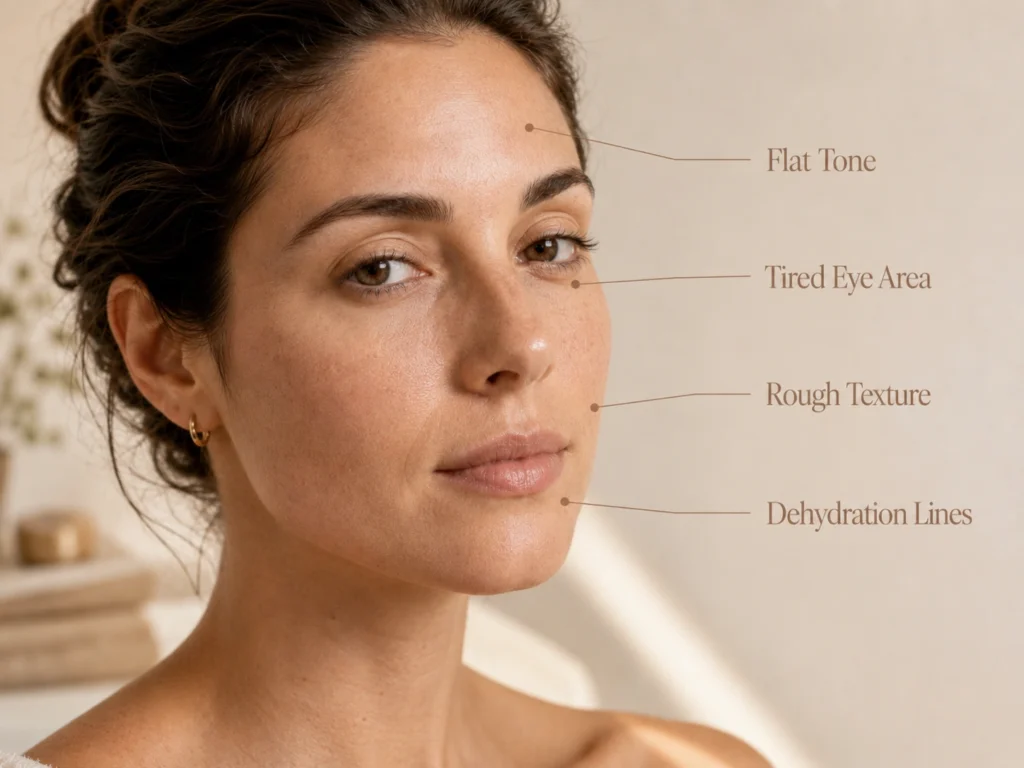
Dull skin is skin that looks less bright, less smooth, or less fresh than usual. It may not reflect light evenly. It may look flat under makeup. It may feel rough when you touch it. Sometimes the skin looks dry, even if you are using moisturizer.
Tired-looking skin may show up as:
This does not mean something is wrong with your skin. It means your skin may need different support.
Dullness can come from more than one cause. That is why the same product does not work for everyone.
Dehydrated skin lacks water. It may look less plump and less smooth. Fine lines may appear more noticeable, especially around the eyes, mouth, or cheeks.
Even oily skin can look dull when it is dehydrated. Oil and water are not the same. A person can have shine on the surface and still need hydration underneath.
Dry skin lacks oil or lipid comfort. It may feel rough, flaky, tight, or uncomfortable. Dryness can make the skin look less radiant because the surface is not smooth.
If your skin looks dull and feels tight, your routine may need more comfort, not more exfoliation.
When dead surface cells build up, the skin can look rough, uneven, or less bright. Gentle exfoliation can sometimes help, but it should be used carefully.
Over-exfoliating can create the opposite problem. Instead of glow, the skin may look irritated, tight, red, or stressed.
When you are tired or stressed, your skin may look less fresh. The eye area may look more fatigued, and the complexion may look flatter. Skincare cannot replace rest, hydration, or healthy habits, but the right routine can support a more refreshed-looking appearance.
Sun exposure can contribute to uneven-looking tone, dryness, and visible signs of skin aging over time. This is why SPF is not just for beach days. Daytime protection is part of a glow-support routine.
Daily exposure to pollution, indoor air, weather changes, and dry environments can make the skin look more tired or stressed. Antioxidant-support skincare can be helpful for skin that looks dull from environmental exposure.
Sometimes dullness comes from doing too much. Other times, it comes from not doing enough.
Too many products can overwhelm the skin. Too few supportive steps can leave the skin looking dry or flat. The best routine depends on what your skin is showing.
These concerns can overlap, but they are not the same.
Dull skin looks less radiant or less fresh. Dry skin feels tight, rough, flaky, or undernourished. Mature skin may show more visible lines, texture changes, loss of firmness appearance, or dryness with age.
A person can have dull skin without having mature skin. A person can have mature skin that also feels dry. A person can have oily skin that still looks dull.
This is why consultation matters. The routine should match the skin’s condition, not just the label.
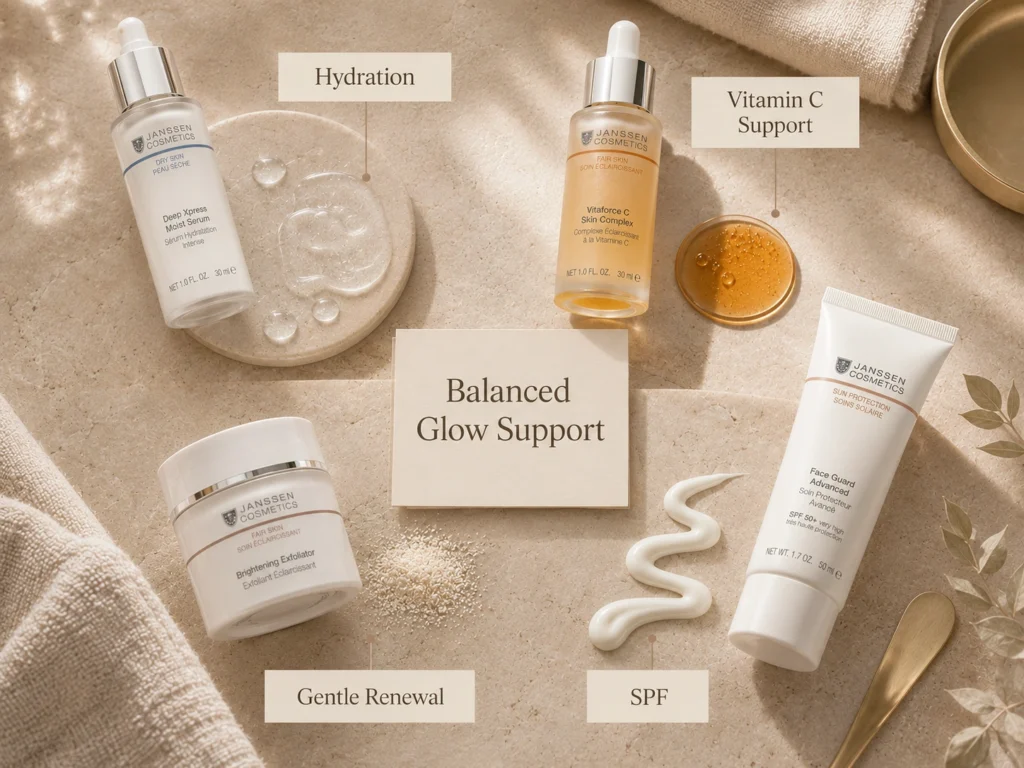
The best ingredients for dull or tired-looking skin depend on the reason behind the dullness.
Hydration helps the skin look smoother and more comfortable. Ingredients like hyaluronic acid, glycerin, and other water-binding ingredients can support a plumper, fresher-looking appearance.
Hydration is especially important when the skin looks tired because it feels tight or looks creased from dryness.
Vitamin C is often used in skincare to support a brighter, more radiant-looking complexion. It is also known for antioxidant support, which makes it a popular ingredient for skin exposed to environmental stress.
Vitamin C can be helpful for dull-looking skin, but it should still be matched to the skin’s tolerance. Sensitive skin may need a gentler approach.
Gentle exfoliation can help smooth the look of rough texture and remove dull surface buildup. The key is not to overdo it.
If the skin already feels sensitive, tight, or irritated, exfoliation should wait until the skin feels more comfortable.
Retinol is often used in cosmetic skincare for the appearance of texture, lines, and renewal. It can be helpful for some tired-looking or early-aging skin concerns, but it should not be used casually with other strong active products.
Retinol can be too much for sensitive skin, dry skin, or skin that is already irritated. It is best introduced slowly and with guidance.
Some routines for tired-looking skin include ingredients that support the appearance of firmness and smoother texture. These can be helpful when the skin looks less lifted, less fresh, or more lined than before.
The wording matters. Skincare can support the appearance of smoother and firmer-looking skin, but it should not promise to reverse aging.
A morning routine should help the skin look fresh while protecting it during the day.
Start with a cleanser that leaves the skin clean but not tight. If the skin feels dry or dull, harsh cleansing can make it look worse.
A tonic can help complete the cleansing step and prepare the skin for serum or cream. For tired-looking skin, this step can make the routine feel more refreshing.
A vitamin C serum or antioxidant-support serum may be helpful when the skin looks dull or tired. This depends on skin tolerance and the rest of the routine.
Choose a moisturizer that matches your skin’s needs. If the skin feels tight, it may need more comfort. If the skin feels heavy or oily, a lighter texture may be better.
SPF is essential during the day. It helps protect the skin from UV exposure that can contribute to dullness, uneven tone, and visible signs of aging over time.
A simple morning structure:
Cleanser → Tonic → Serum → Moisturizer → SPF
For step-by-step help, follow a simple glow routine for dull skin that keeps cleansing, serum, moisturizer, SPF, and weekly add-ons in the right order.
The evening routine should focus on comfort, consistency, and gentle renewal when appropriate.
Remove makeup, sunscreen, oil, and daily buildup gently. The skin should feel clean, not stripped.
A tonic helps complete cleansing and prepares the skin for the next steps.
Some evening routines may include a serum, a retinol product, or a renewal-support product. This depends on the skin and should not be combined blindly with acids or exfoliants.
A cream helps comfort the skin and support a smoother-looking surface by morning.
A simple evening structure:
Cleanser → Tonic → Serum or Renewal Support if appropriate → Cream
Exfoliation and masks can be helpful, but they are add-ons. They should not replace a consistent basic routine.
A gentle exfoliant may help when dullness comes from surface buildup or rough texture. A glow-support mask may help when the skin looks tired, dry, or stressed.
But if your skin feels irritated, sensitive, burning, or tight, do not reach for stronger exfoliation first. Focus on comfort, hydration, and barrier support.
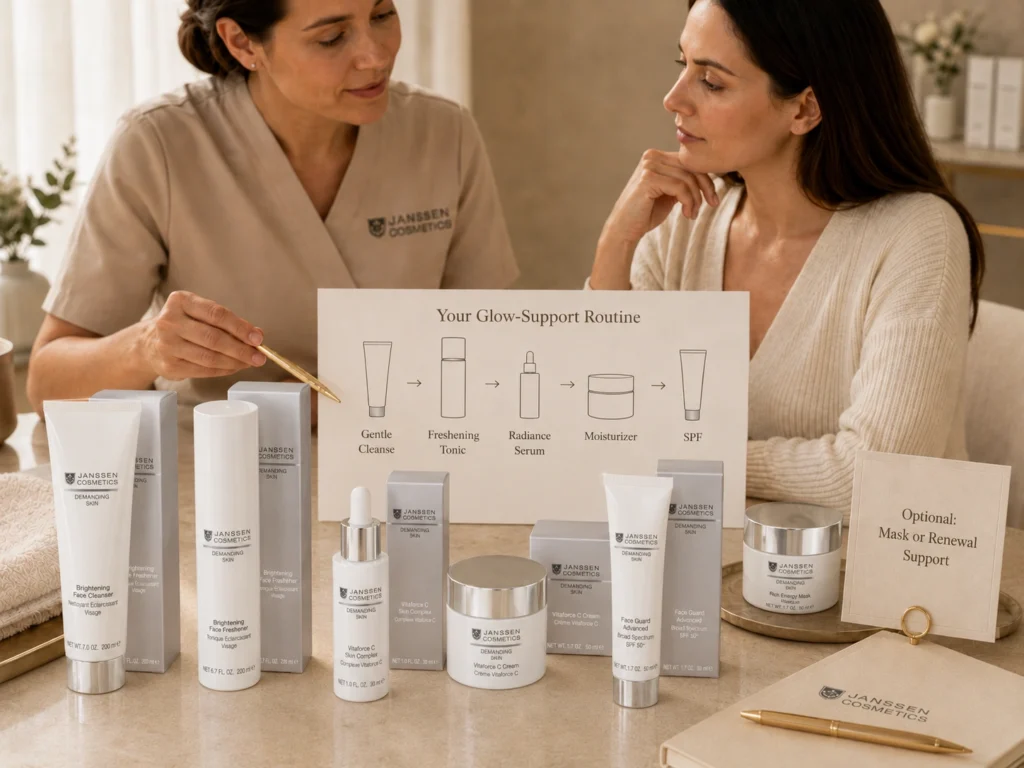
Zendevie carries Janssen Cosmetics through a consultation-first model. That means products are not recommended blindly. Dull or tired-looking skin can have different causes, so the routine should be matched to the skin’s real needs.
A personalized dull skin consultation can help decide whether your skin needs hydration, vitamin C support, gentle renewal, comfort, or a simpler routine before choosing products.
Janssen Cosmetics has a Demanding Skin family designed for skin that looks tired, stressed, dull, or in need of radiance and comfort support.
Products that may be discussed during a consultation include:
These are examples, not automatic recommendations. A consultation helps decide which products fit, which ones should wait, and how to avoid combining too many active steps.
Do not scrub harder just because your skin looks tired. Rough exfoliation can make the skin feel stressed.
Do not layer vitamin C, retinol, acids, and exfoliating products all at once. More active ingredients do not always mean better results.
Do not skip moisturizer. Dull skin often needs hydration and comfort.
Do not skip SPF. A glow routine without daytime protection is incomplete.
Do not expect overnight transformation. Fresher-looking skin usually comes from consistency.
Do not choose products only because they are trending. Your skin’s tolerance matters.
Dull or tired-looking skin is often a cosmetic concern, but some changes should be taken seriously.
Consider speaking with a dermatologist or healthcare professional if your skin changes suddenly, becomes painful, inflamed, swollen, rash-like, severely itchy, infected-looking, or does not improve with gentle care.
Skincare can support the look and feel of the skin, but it does not replace medical diagnosis or treatment.For a fuller safety guide, review when dull or tired-looking skin may need a dermatologist.
Your skin may look dull or tired because of dehydration, dryness, dead surface buildup, stress, lack of sleep, sun exposure, pollution, or a routine that does not match your skin’s current needs.
Start with a simple routine: gentle cleanser, tonic, hydrating serum or radiance-support serum, moisturizer, and SPF during the day. Add exfoliation or masks only when appropriate.
Vitamin C can help support a brighter, more radiant-looking complexion. It is also used for antioxidant support. Sensitive skin may need a gentler approach, so consultation can help.
Gentle exfoliation can help if dullness comes from surface buildup, but over-exfoliation can make the skin look and feel worse. If the skin feels irritated or tight, focus on comfort first.
Yes. Dry or dehydrated skin can look less smooth, less plump, and less radiant. Hydration and the right moisturizer can help the skin look fresher.
Stress, lack of sleep, and lifestyle changes can affect how rested and fresh the skin appears. Skincare can support the look of the skin, but healthy habits also matter.
Retinol can support the appearance of smoother texture and early lines for some people, but it should be used carefully. It should not be combined blindly with exfoliating acids or other strong actives.
A simple glow-support routine includes cleanser, tonic, serum, moisturizer, and SPF in the morning. At night, cleanse, tone, apply serum or renewal support if appropriate, and finish with cream.

Zendevie is guided by Haby Diallo, a licensed esthetician with more than 20 years of professional skincare experience. Her approach is rooted in education, professional judgment, and personal care.
years of experience