
Dull-looking skin does not always need stronger products.
Sometimes it needs hydration first.
When skin lacks water, it can look flat, tired, tight, less smooth, patchy under makeup, or dull by the end of the day. This can happen even if the skin is oily. It can also happen in dry, combination, mature, sensitive, and blemish-prone skin.
That is why hydration matters so much.
Many people try to fix dullness with scrubs, acids, vitamin C, retinol-style products, or brightening-support steps before checking whether the skin is dehydrated. But when skin is already tight, irritated, or uncomfortable, stronger products can sometimes make the complexion look even duller.
At Zendevie, we do not treat dull-looking skin as an automatic sign to exfoliate. In consultation, our licensed esthetician first looks at hydration, cleanser choice, moisturizer texture, SPF habits, sensitivity, makeup wear, and whether the skin can tolerate active products.
Hydration is not the most dramatic step.
But it is often the step that helps everything else work better.
Hydration comes first for dull-looking skin because dehydrated skin can look flat, tired, tight, rough, shiny but uncomfortable, or patchy under makeup.
Hydration may help skin look:
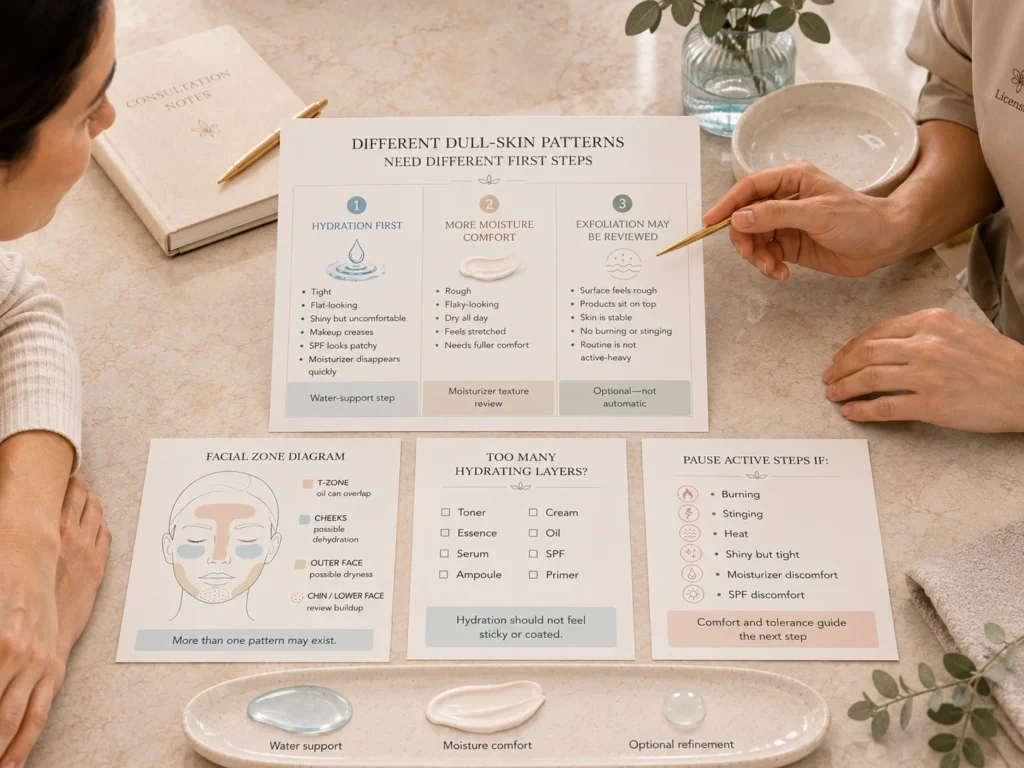
Dull skin may need hydration before exfoliation if the skin feels tight, looks shiny but dull, makeup creases, moisturizer disappears quickly, or products sting.
A simple hydration-focused routine may look like:
Morning: Gentle cleanser → hydration support if needed → moisturizer → SPF
Evening: Gentle cleanser → hydration support if needed → moisturizer
Hydration does not replace SPF, moisturizer, or professional guidance. It supports the routine foundation.
Hydration means water support.
In skincare, hydration usually refers to ingredients or products that help the skin feel less tight, less flat, and more comfortable.
Hydration is different from oil.
This matters because skin can be oily and dehydrated at the same time.
A person may have shine on the T-zone and still feel tight after cleansing. The skin may look greasy but not fresh. Makeup may separate and crease at the same time.
That is often a hydration clue.
Hydration and moisture are related, but they are not exactly the same.
Hydration is about water.
Moisture often refers to comfort, softness, and the moisturizer step that helps finish the routine.
A simple way to think about it:
Hydration helps support water comfort.
Moisturizer helps the skin feel finished and supported.
For dull-looking skin, many routines need both.
A hydrating serum without moisturizer may not be enough. A moisturizer without hydration may also not feel like enough if the skin is dehydrated.
Dry skin and dehydrated skin are different.
Dry skin often lacks oil or lipid comfort.
Dehydrated skin lacks water.
Dry skin may feel rough, flaky, tight, or uncomfortable.
Dehydrated skin may feel tight, flat, creased, or shiny but uncomfortable.
Some people have both dry and dehydrated skin at the same time.
That is why the routine should be based on what the skin shows and feels, not just one label.
Dehydrated skin often does not reflect light smoothly.
When the skin lacks water, the surface may look less flexible and less fresh.
This can make the complexion appear:
The skin may not need more exfoliation first.
It may need hydration support.
Many people think dullness means dead skin buildup.
Sometimes that is true.
But dullness can also come from dehydration, dryness, irritation, product buildup, oil, makeup, SPF residue, stress, lack of sleep, indoor air, or over-exfoliation.
If the skin is dehydrated, exfoliating more may not create a fresher look.
It may create more tightness.
Before exfoliating, ask whether the skin feels hydrated and comfortable.
Hydration should often come before exfoliation when skin feels tight, sensitive, or dull in a flat-looking way.
If the skin is already dehydrated, exfoliation may make it feel:
Exfoliation can help surface buildup, but it should not be used as the first answer for every dullness concern.
Hydrated skin usually tolerates routine steps better.
Vitamin C may support the look of radiance for some dull-looking skin.
But if the skin is dehydrated, sensitive, or over-exfoliated, vitamin C may sting or feel too active.
Hydration should come first if the skin is:
Once the skin feels stable, vitamin C support can be considered more carefully.
Radiance should not come at the cost of comfort.
Retinol-style products should be introduced carefully.
If skin is already dull because it is dehydrated or irritated, retinol-style products may make it feel drier, tighter, or more sensitive.
Before retinol-style care, the skin should tolerate the basics:
Hydration helps build a more comfortable foundation.
Brightening-support products may be useful for uneven-looking tone and dullness when the skin can tolerate them.
But brightening-support care should not be layered onto irritated, dehydrated, or over-exfoliated skin.
If the skin is tight, burning, or reactive, hydration and comfort should come first.
For dull-looking skin with uneven tone, the routine should include:
SPF is especially important.
Your dull-looking skin may need hydration if you notice:
If these signs are present, hydration may be more important than exfoliation.
Your skin may need more moisturizer comfort if it feels:
This may be dry dull skin, not just dehydrated dull skin.
Dry skin may need hydration plus a more comforting moisturizer.
Hydration is important, but not all dullness is dehydration.
Your skin may be product-overloaded if it feels:
In that case, better cleansing and fewer layers may be needed along with hydration.
Over-exfoliated skin can also look dull.
Your skin may be over-exfoliated if it feels:
If this is happening, pause exfoliation and simplify.
Hydration and moisturizer support may help the skin feel more comfortable.
Oily skin can still lack water.
This is one of the most important lessons in dull skin care.
Oily dehydrated skin may look:
The answer is not to strip the oil away.
Oily dull skin may need lightweight hydration and a moisturizer texture that does not feel heavy.
Dry skin may need both hydration and moisture comfort.
Dry dull skin may look rough, flaky, tight, or less radiant because the skin surface does not look smooth.
Hydration may help support the look of flexibility, while moisturizer helps the skin feel more comfortable.
Dry dull skin may need:
Do not scrub dry skin aggressively just because it looks dull.
Combination skin can be oily and dehydrated in one area, dry in another, and normal somewhere else.
The T-zone may look shiny but dull.
The cheeks may feel tight.
The nose may look textured.
The outer face may need more comfort.
Combination skin may need hydration, but product amount and moisturizer texture may vary by zone.
The whole face does not always need the same amount of product.
Sensitive dull skin may look flat or tired when the skin is stressed.
Hydration can help support comfort, but sensitive skin needs a gentle approach.
Sensitive skin may react to:
For sensitive dull skin, hydration should come through simple, well-tolerated steps.
If the skin is burning, swollen, rash-like, or painful, speak with a dermatologist or medical provider.
Mature skin may show dehydration more visibly.
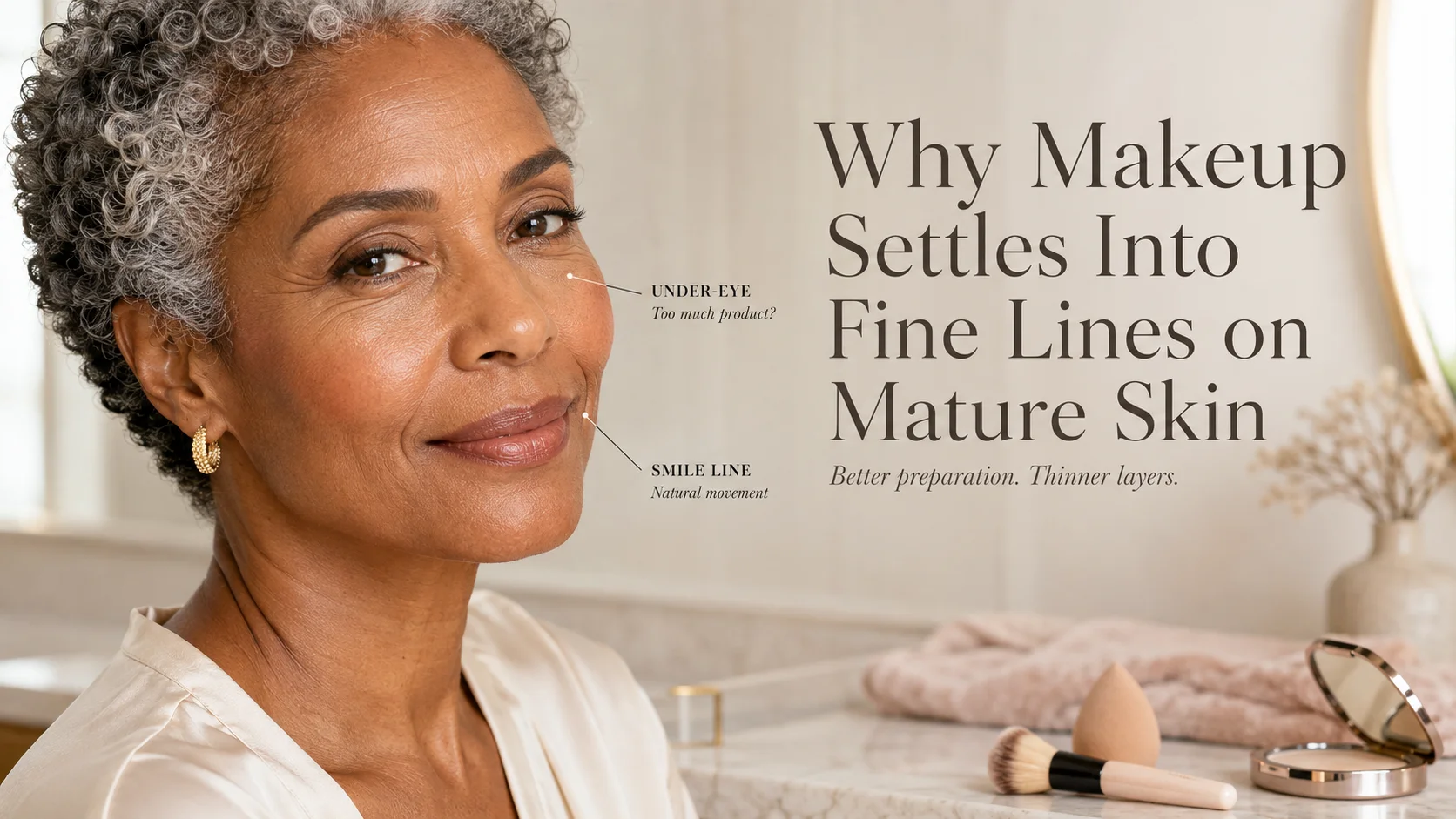
Fine dehydration lines may look more noticeable. Makeup may settle. The complexion may look less fresh by evening. The eye area may make the whole face look tired.
Mature dull skin often benefits from:
Hydration helps support the look of smoother, fresher, more flexible skin.
The eye area can make the whole face look tired.
If the eye area is dehydrated, concealer may crease and the face may look less rested.
Eye-area dehydration may show as:
Do not apply strong facial acids, scrubs, or active serums close to the eyes unless the product is made for that area.
Eye-area care should be gentle.
Makeup often looks better when the skin is hydrated.
Dehydrated skin may make makeup look:
Hydration does not replace good makeup technique, but it helps prepare the skin.
A hydrated base often looks fresher than a tight or over-exfoliated base.
SPF often sits better on skin that is properly hydrated and moisturized.
If SPF looks patchy, pills, or makes the skin look dull, dehydration may be part of the issue.
Before blaming SPF, review:
SPF should still be the final morning skincare step.
Hydration can help dull-looking skin, but too many hydrating layers can create buildup.
This may happen when someone uses:
Hydration should not make the skin sticky or coated.
The goal is comfortable hydration, not too many layers.
Hydration and exfoliation can both matter, but the order depends on the skin.
If the skin is rough from surface buildup and stable, gentle exfoliation may help.
If the skin is tight, sensitive, or dehydrated, hydration should come first.
A balanced routine may include:
Dull skin needs rhythm, not constant correction.
Antioxidants may support the look of dull, tired, or environmentally stressed skin.
But antioxidants may feel more comfortable when the skin is hydrated.
If antioxidant serum stings, the skin may need more hydration, a gentler formula, or fewer active products.
A simple morning routine may look like:
Gentle cleanser → hydration or antioxidant support if tolerated → moisturizer → SPF
Choose based on what the skin needs first.
Lack of sleep can make skin look dull, tired, and less fresh.
Hydration can support the skin’s appearance, but it does not replace rest.
If your skin looks dull after poor sleep, focus on:
Tired-looking skin may need support, not punishment.
Stress can make the face look tired.
The skin may appear flat, dull, oily, dry, or less balanced.
During stressful seasons, people often change products quickly or overuse active steps.
A better approach may be:
Consistency helps the skin look more settled.
Travel can make skin look dehydrated and dull.
This may happen because of:
Travel is not the best time to test strong new products.
Hydration, moisturizer, SPF, and familiar products are often more helpful.
Indoor heating and air conditioning can make skin look less fresh.
The skin may feel tight by evening, makeup may look patchy, or the eye area may look tired.
Indoor air dullness may need:
If you work indoors all day, your dullness may be partly environmental.
Winter dullness often comes from cold air, wind, and indoor heating.
Skin may feel dry, tight, flaky, or less radiant.
Hydration helps support water comfort, but winter skin may also need a more comforting moisturizer.
A winter routine may focus on:
Winter dullness should not be scrubbed aggressively.
Summer dullness can happen when sweat, SPF, oil, and heat create a heavy surface.
Skin may feel greasy but dehydrated underneath.
Summer dull skin may need:
In summer, hydration should not feel sticky or heavy.
Texture matters.
Hydrating skincare often includes ingredients that help the skin feel more comfortable and less tight.
Common hydration-support ingredients may include:
The full formula matters more than one ingredient.
A hydrating product should feel comfortable and fit your skin type.
Hyaluronic acid is often used for hydration support.
It may help dull-looking skin feel more hydrated and look smoother when used in an appropriate formula.
But hyaluronic acid is not enough by itself for everyone.
It usually works best when followed with moisturizer.
If used without moisturizer, some skin may still feel tight.
Glycerin is a common humectant used in many skincare products.
It helps support hydration and comfort in many formulas.
For dull-looking skin, glycerin-based formulas may help the skin feel less tight and better prepared for moisturizer.
Again, the formula matters.
A good hydration product should not feel sticky, heavy, or irritating.
Panthenol is often used in comfort-focused skincare.
It may support the feel of softer, more comfortable skin.
For dull-looking skin that is sensitive, dry, or stressed, panthenol-style support may be useful when included in a gentle formula.
Sensitive skin should still introduce new products carefully.
A hydrating serum may help when dullness is linked to dehydration.
It usually goes before moisturizer.
A simple routine order may be:
Cleanser → hydrating serum → moisturizer → SPF
At night:
Cleanser → hydrating serum → moisturizer
Hydrating serum should not sting, pill, or leave the skin sticky.
If it does, use less or review the formula.
A hydrating mask may help when skin looks tired, tight, or dry.
It can be useful after travel, winter exposure, or long workdays.
But masks should not replace daily routine basics.
A hydrating mask may support the routine, but the skin still needs:
Do not use a mask to compensate for an overly harsh routine.
Moisturizer helps finish the hydration step.
A good moisturizer should match the skin type.
Dry dull skin may need more comfort.
Oily dull skin may need a lighter texture.
Combination dull skin may need different amounts by zone.
Sensitive dull skin may need simple, calming comfort.
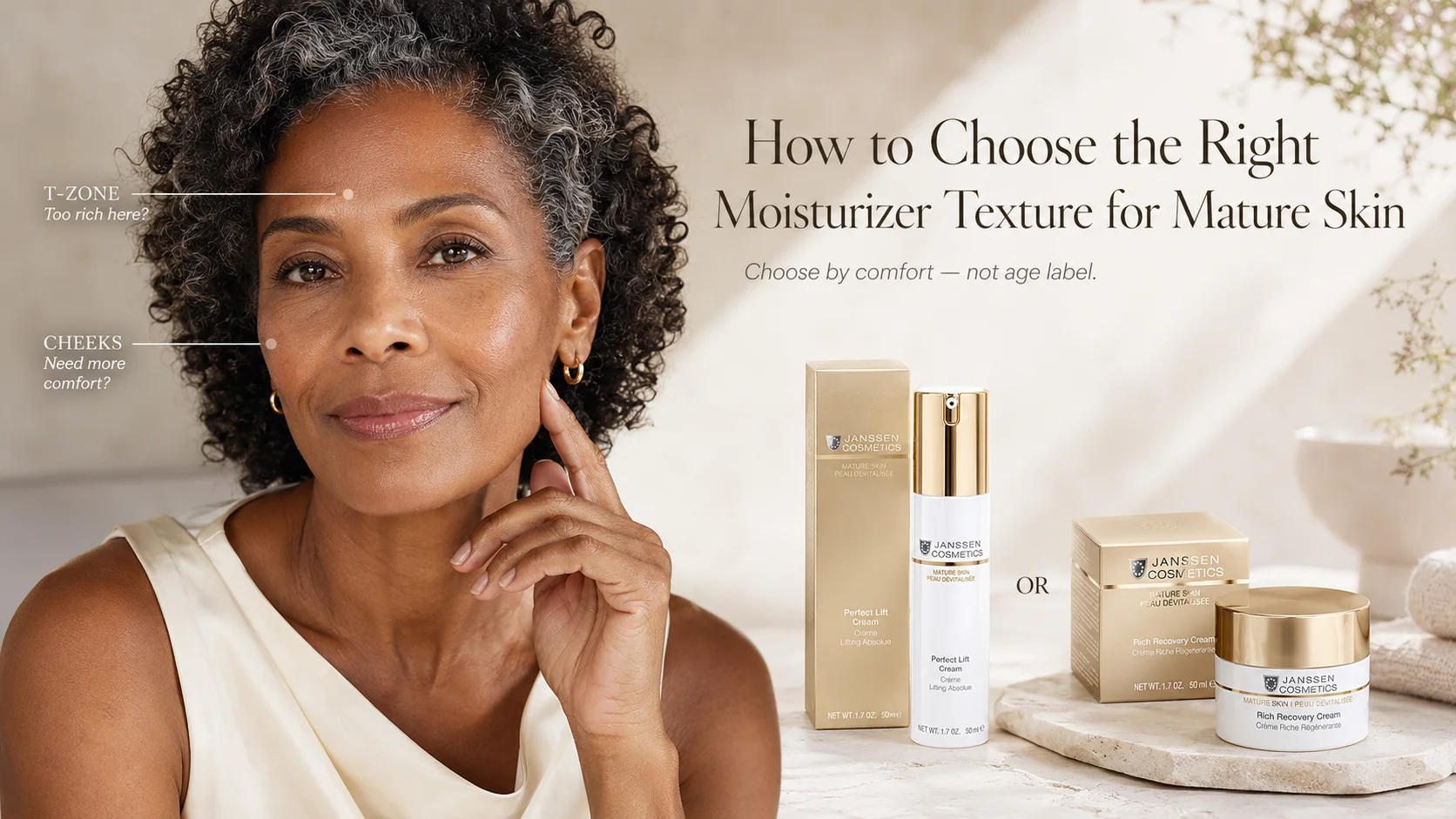
Mature dull skin may need hydration plus a more cushioned finish.
Moisturizer texture matters as much as ingredients.
Oily dull skin should use hydration carefully.
The goal is not to add heavy layers.
Oily dull skin may prefer:
Hydration should help oily skin feel balanced, not coated.
Dry dull skin often needs hydration and richer comfort.
A helpful routine may include:
Dry dull skin should not feel tight after cleansing or moisturizer.
If it does, the routine needs review.
Combination dull skin may need hydration across the face, but different moisturizer amounts by zone.
The T-zone may need lighter texture.
The cheeks may need more comfort.
The chin or nose may need careful cleansing and targeted support.
A one-size-fits-all approach can make combination skin more confusing.
Hydration should be adjusted by area when needed.
Sensitive dull skin should use simple hydration.
Avoid adding many products at once.
A simple routine may be:
Morning: Mild cleanser → moisturizer → SPF
Evening: Mild cleanser → moisturizer
If a hydration serum is added, introduce it slowly.
Avoid strong active products while the skin is reactive.
Mature dull skin often benefits from hydration before cream.
A simple routine may be:
Morning: Gentle cleanser → hydrating serum → moisturizer → SPF
Evening: Gentle cleanser → hydrating serum or moisturizer → cream if needed
Mature skin may look fresher when hydration, comfort, SPF, and gentle routine consistency work together.
Avoid over-powdering makeup if the skin looks dry or flat.
Hydration is one of the most important makeup prep steps for dull-looking skin.
If makeup looks flat, patchy, or dry, the skin may need hydration before foundation.
A simple makeup prep routine may be:
Gentle cleanser → hydration support if needed → moisturizer → SPF → makeup
Do not exfoliate aggressively right before makeup if the skin is dry, sensitive, or tight.
Hydration often gives a better base than last-minute scrubbing.
SPF often looks better when the skin underneath is hydrated and moisturized appropriately.
If SPF makes skin look dull, review whether the skin is dehydrated.
A simple SPF routine may be:
Gentle cleanser → hydration serum if needed → moisturizer → SPF
If the skin is oily, choose lighter layers.
If the skin is dry, choose more comfort.
If the skin is sensitive, keep the routine simple.
Hydration should not mean too many layers.
To add hydration carefully:
Hydration should make the routine smoother, not heavier.
Hydration may be helping if your skin starts to look:
The change may be gradual.
Comfort is a good sign.
Hydration may not be enough if:
In that case, the full routine needs review.
Common mistakes include:
Hydration should be simple and intentional.
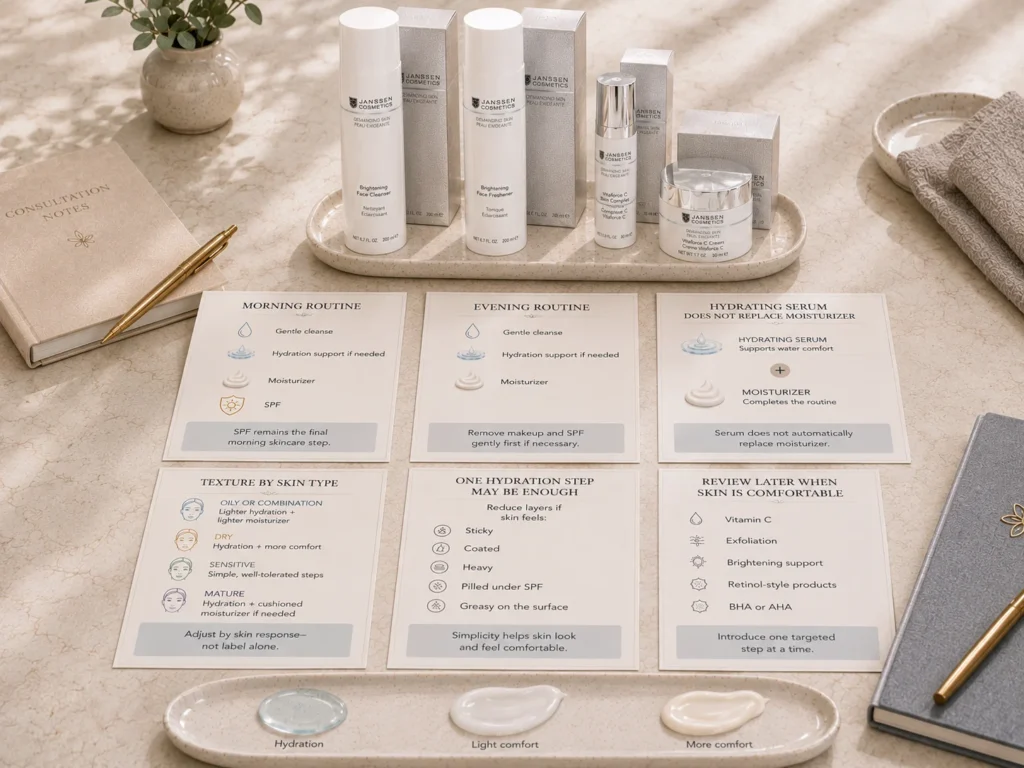
A simple morning routine may look like:
Gentle cleanser → hydrating serum if needed → moisturizer → SPF
A simple evening routine may look like:
Gentle cleanser → hydrating serum if needed → moisturizer
If toner is used and tolerated:
Cleanser → toner → hydrating serum → moisturizer
Do not add every step at once.
Start with what the skin needs most.
Morning:
Gentle cleanser → hydrating serum → moisturizer → SPF
Evening:
Gentle cleanser → hydrating serum or moisturizer → cream if needed
Dry dull skin may need both hydration and richer comfort.
Avoid harsh scrubs and hot water.
Morning:
Gentle cleanser → lightweight hydration support → lightweight moisturizer → SPF
Evening:
Gentle cleanser → lightweight moisturizer
If the skin is oily but tight, hydration matters.
Avoid stripping cleanser and drying toner.
Morning:
Gentle cleanser → lightweight hydration support → moisturizer by zone → SPF
Evening:
Gentle cleanser → hydration or moisturizer by zone
Use less product where skin is oily and more comfort where skin feels dry.
Combination skin needs balance.
Morning:
Mild cleanser → moisturizer → SPF
Evening:
Mild cleanser → moisturizer
If hydration serum is added, introduce it slowly and avoid active-product overload.
Sensitive skin should not be rushed.
Morning:
Gentle cleanser → hydrating serum → moisturizer → SPF
Evening:
Gentle cleanser → hydrating serum if tolerated → moisturizer or cream
Mature dull skin often benefits from hydration, comfort, and SPF working together.
Exfoliation should be gentle and only when tolerated.
Professional guidance may help if you are unsure whether your dullness is dehydration, dryness, buildup, sensitivity, oiliness, or over-exfoliation.
This is especially helpful if:
A consultation can help identify what the skin needs first.
A dermatologist should evaluate the skin if dullness or dehydration-like symptoms come with:
Cosmetic skincare can help with appearance and routine structure, but medical-looking changes need medical evaluation.
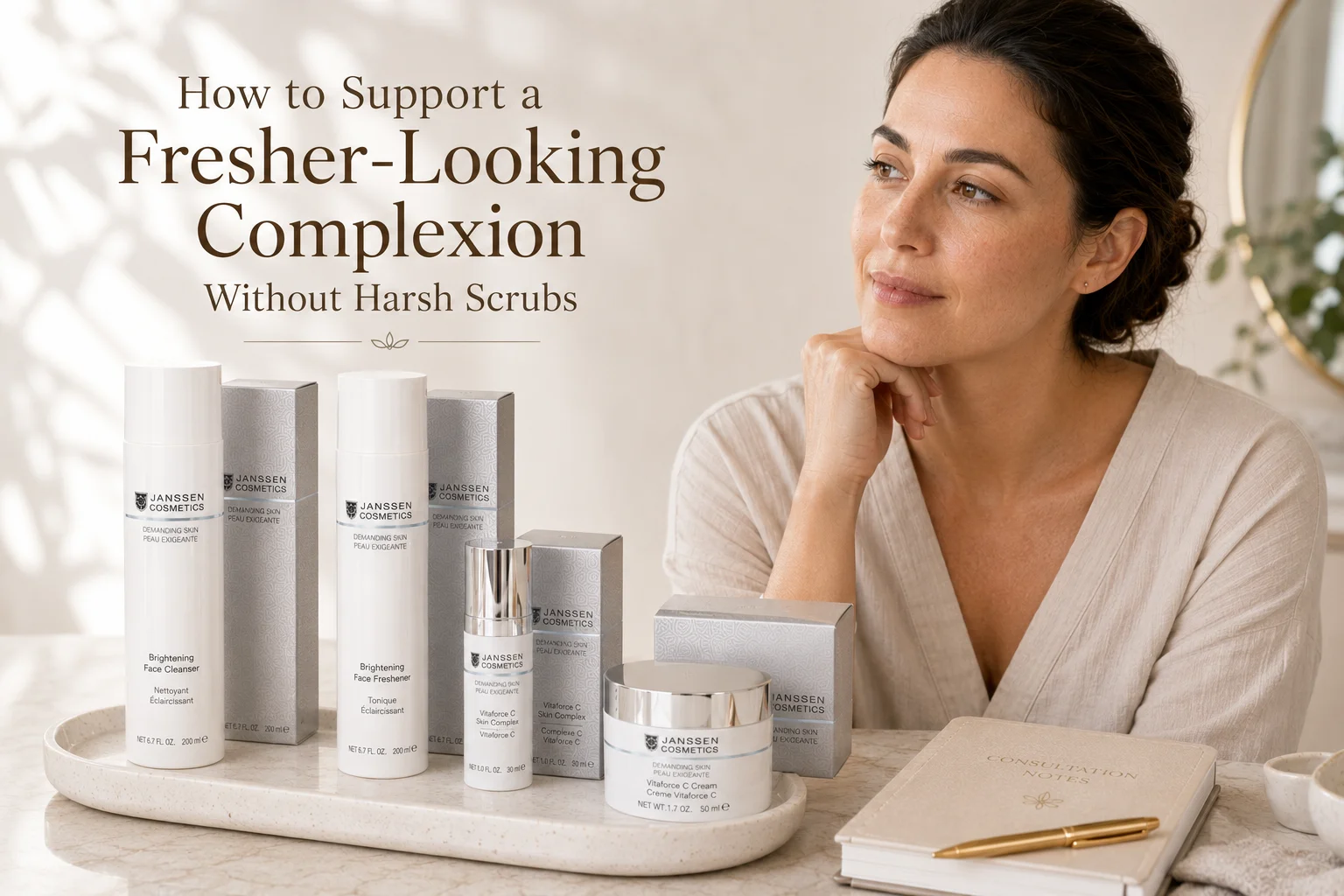
After consultation, our licensed esthetician may consider Janssen Cosmetics options depending on whether dull-looking skin needs hydration, comfort, radiance support, calming support, or oil-balance support.

For dry or dehydrated dull skin, possible options may include:
For tired-looking dull skin that is not mainly dry, possible options may include:
For sensitive dull skin, comfort-focused options may come first, such as:
For oily dull skin that is also dehydrated or product-overloaded, lightweight textures and balance may be reviewed carefully, such as:
For morning routines, Face Guard Advanced SPF 30 may be considered as the final daytime protection step when appropriate.
These are not automatic recommendations. The correct routine depends on whether the skin is dry, dehydrated, oily, sensitive, mature, over-exfoliated, product-overloaded, or in need of radiance support.
Do not exfoliate every time your skin looks dull.
Do not skip moisturizer after using a hydrating serum.
Do not skip SPF.
Do not assume oily skin does not need hydration.
Do not use heavy creams everywhere if only some areas feel dry.
Do not use only gel hydration if dry skin needs richer comfort.
Do not layer too many hydration products until the skin feels sticky or coated.
Do not use strong vitamin C, acids, and retinol-style products when the skin is already tight or irritated.
Do not ignore burning, swelling, rash-like irritation, pain, crusting, bleeding, severe itching, eye-area irritation, or persistent worsening.
Yes, dull-looking skin often needs hydration, especially if it looks flat, tired, tight, creased, or patchy under makeup.
Yes. Dehydrated skin can look dull, flat, less smooth, shiny but tight, or tired by evening.
Yes. Oily skin can still lack water. It may look shiny but feel tight or uncomfortable.
If your skin feels tight, stingy, dry, or irritated, hydrate first. Exfoliation may help surface buildup, but it can make dehydrated or over-exfoliated skin look worse.
No. Hydration support usually needs moisturizer afterward. Serum supports hydration, while moisturizer helps finish the routine.
No. SPF is still needed every morning. Hydration helps prepare the skin, but SPF is the daytime protection step.
Common hydration-support ingredients include hyaluronic acid, glycerin, panthenol, saccharide isomerate, and moisture complexes. The full formula matters more than one ingredient.
Too many hydrating layers can make skin feel sticky, coated, or heavy. Hydration should support the routine, not overload it.
Your skin may be dehydrated, dry, over-exfoliated, product-overloaded, or not properly moisturized before makeup.
See a dermatologist if dullness or dehydration-like symptoms come with persistent rash-like irritation, swelling, pain, crusting, bleeding, infection-looking areas, severe itching, eye-area irritation, sudden changes, burning that does not settle, or worsening symptoms.
If your skin looks dull, flat, tight, oily-but-dry, or patchy under makeup, hydration may be the first step to review.
At Zendevie, a free virtual consultation helps us understand whether your skin needs hydration, moisture comfort, gentler cleansing, SPF adjustment, exfoliation guidance, or a simpler routine. We review your skin type, skin feel, makeup wear, SPF habits, and current products before recommending anything.
The goal is not to add more products.
The goal is to understand what your skin needs first.

Zendevie is guided by Haby Diallo, a licensed esthetician with more than 20 years of professional skincare experience. Her approach is rooted in education, professional judgment, and personal care.
years of experience