
Sensitive skin can feel confusing because it does not always look the same every day. One day your skin feels fine. The next day, a product you normally use starts to sting. Your cheeks may look flushed. Your face may feel tight after cleansing. A moisturizer may burn for a few seconds. Sometimes the skin feels dry, itchy, warm, or uncomfortable, even when you cannot see much on the surface.
If you have ever said, “My skin reacts to everything,” you are not alone.
Sensitive-feeling skin needs patience. It usually does not respond well to harsh scrubs, strong exfoliation, too many active products, or constant product switching. The goal is not to force the skin to tolerate more. The goal is to understand what may be triggering the discomfort and build a routine that supports calm, comfort, and barrier strength.
At Zendevie, sensitive skin is approached carefully. Before choosing products, the first step is understanding what the skin is showing, how it feels, and what it may not be tolerating well.
You may have sensitive skin if your skin often feels tight, dry, itchy, stingy, warm, easily irritated, or redness-prone after skincare products, weather changes, cleansing, exfoliation, or environmental stress.
Sensitive skin is often connected to a stressed or weakened skin barrier. When the barrier is uncomfortable, products can sting more easily, moisture can escape faster, and the skin may feel less protected.
A sensitive skin routine should stay simple. Start with a gentle cleanser, a soothing tonic, a calming serum if needed, a lotion or cream that supports comfort, and daytime SPF. Avoid adding too many active products at once.
Sensitive skin is not always a fixed skin type. For some people, it is something they have always experienced. For others, it appears suddenly after over-exfoliating, changing products, using harsh cleansers, traveling, dealing with weather changes, or using too many strong ingredients at the same time.
Sensitive skin can happen on dry skin, oily skin, mature skin, or combination skin. It is more about how the skin reacts than how much oil the skin produces.
In everyday language, sensitive skin means your skin reacts more easily than expected. It may respond with tightness, burning, stinging, redness, itching, dryness, or discomfort.

You may have sensitive-feeling skin if you notice:
Some people only experience one or two of these signs. Others experience several at once. The pattern matters. If your skin keeps reacting, it is a sign to slow down and simplify.
Sensitive skin and irritated skin can feel similar, but they are not exactly the same.
Sensitive skin may be something your skin is naturally prone to. It may react easily to certain products, fragrance, exfoliation, weather, or environmental changes.
Irritated skin can happen when the skin has been pushed too far. This may happen after using strong exfoliants too often, layering too many active products, cleansing harshly, or trying several new products in a short period of time.
The good news is that both situations benefit from a gentler routine. If the skin feels irritated, it is usually better to pause strong actives and focus on comfort first.
This is important.
Sensitive-feeling skin can sting, feel tight, or look red. An allergic reaction may involve swelling, rash-like changes, hives, severe itching, blistering, or worsening symptoms after contact with a trigger.
Skincare content should not diagnose an allergy. If your skin is swollen, painful, blistering, infected-looking, rash-like, or not improving, it is best to contact a dermatologist or healthcare professional.
A consultation can help guide cosmetic skincare choices, but medical symptoms need medical evaluation.
Your skin barrier is like the protective outer layer of your skin. It helps keep moisture in and helps protect the skin from outside stressors.
When the barrier feels stressed, the skin may lose moisture more easily. Products may sting. The skin may feel tight, dry, rough, itchy, or reactive. This is why barrier support is so important for sensitive skin.
Many people try to solve sensitivity by adding more products. But sensitive skin often needs fewer products, chosen more carefully.

If your cleanser leaves your skin feeling squeaky clean or tight, it may be too strong. Sensitive skin needs cleansing that removes buildup without stripping the skin.
Too much exfoliation can make the skin feel raw, tight, or stingy. Acids, scrubs, peels, and retinol-related products should be introduced carefully, especially if the skin already feels reactive.
Fragrance can be a common trigger for sensitive-feeling skin. Some people also react to essential oils or strong botanical scents. Natural does not always mean gentle for sensitive skin.
Cold air, heat, wind, humidity shifts, indoor heating, and air conditioning can all affect sensitive skin. The skin may feel more reactive during seasonal changes.
When several new products are added at the same time, it becomes hard to know what the skin likes and what it does not tolerate.
A better approach is to start simple, add one product at a time, and watch how the skin responds.
Sensitive skin usually does best with ingredients that support hydration, comfort, and barrier care.
Allantoin is often used in gentle skincare because it helps support a calmer, more comfortable skin feel. It is a helpful ingredient in routines designed for tight or easily irritated-feeling skin.
Panthenol, also known as provitamin B5, is commonly used for hydration and comfort support. It can be useful when the skin feels dry, tight, or stressed.
Hyaluronic acid helps support hydration in the skin’s outer layers. Sensitive skin can often feel dry or tight, so lightweight hydration can be helpful when paired with a suitable cream or lotion.
Saccharide isomerate is a moisture-supporting ingredient often used to help the skin feel hydrated for longer. It can be useful in routines focused on comfort and softness.
Squalane and shea butter can help support a softer, more comfortable skin feel. The right texture matters. Some sensitive skin prefers a light lotion, while other sensitive skin needs a richer cream.
Bisabolol is often used in calming skincare formulas. It is commonly associated with comfort-supporting routines for skin that feels reactive or easily irritated.
If your skin feels reactive, keep the routine simple and avoid overloading it.
Be careful with:
Sensitive skin often feels better when the routine becomes calmer and more consistent.
A sensitive skin morning routine should protect comfort and avoid unnecessary stress.
Use a soft cleanser that does not leave the skin tight. The goal is to remove overnight buildup while keeping the skin comfortable.
A gentle, alcohol-free tonic can help refresh the skin and prepare it for the next step. It should not burn or leave the skin feeling dry.
If the skin feels reactive, tight, or redness-prone, a calming serum may help support comfort before moisturizer.
Choose the texture based on your skin’s needs. Some sensitive skin prefers a light lotion. Other sensitive skin needs a richer cream, especially at night or in cold weather.
Sensitive skin still needs daytime protection. SPF is especially important when the skin is exposed to sun, wind, or outdoor stress.
A simple morning structure:
Cleanser → Soothing Tonic → Calming Serum → Lotion or Cream → SPF
The evening routine should focus on comfort and recovery from the day.
Remove makeup, sunscreen, and daily buildup without scrubbing.
A gentle tonic can help complete the cleansing step and reduce the tight feeling that some people experience after washing.
A calming serum can be helpful when the skin feels stressed, dry, tight, or easily irritated.
At night, many sensitive skin routines benefit from a cream that supports barrier comfort and helps the skin feel soft by morning.
A simple evening structure:
Cleanser → Soothing Tonic → Calming Serum → Cream

Zendevie carries Janssen Cosmetics through a consultation-first model. That means sensitive skin products are not recommended blindly. Sensitive skin needs careful matching because the wrong product can feel uncomfortable even if it is popular or well-formulated.
A personalized sensitive skin consultation can help decide which steps belong in your routine before choosing products.
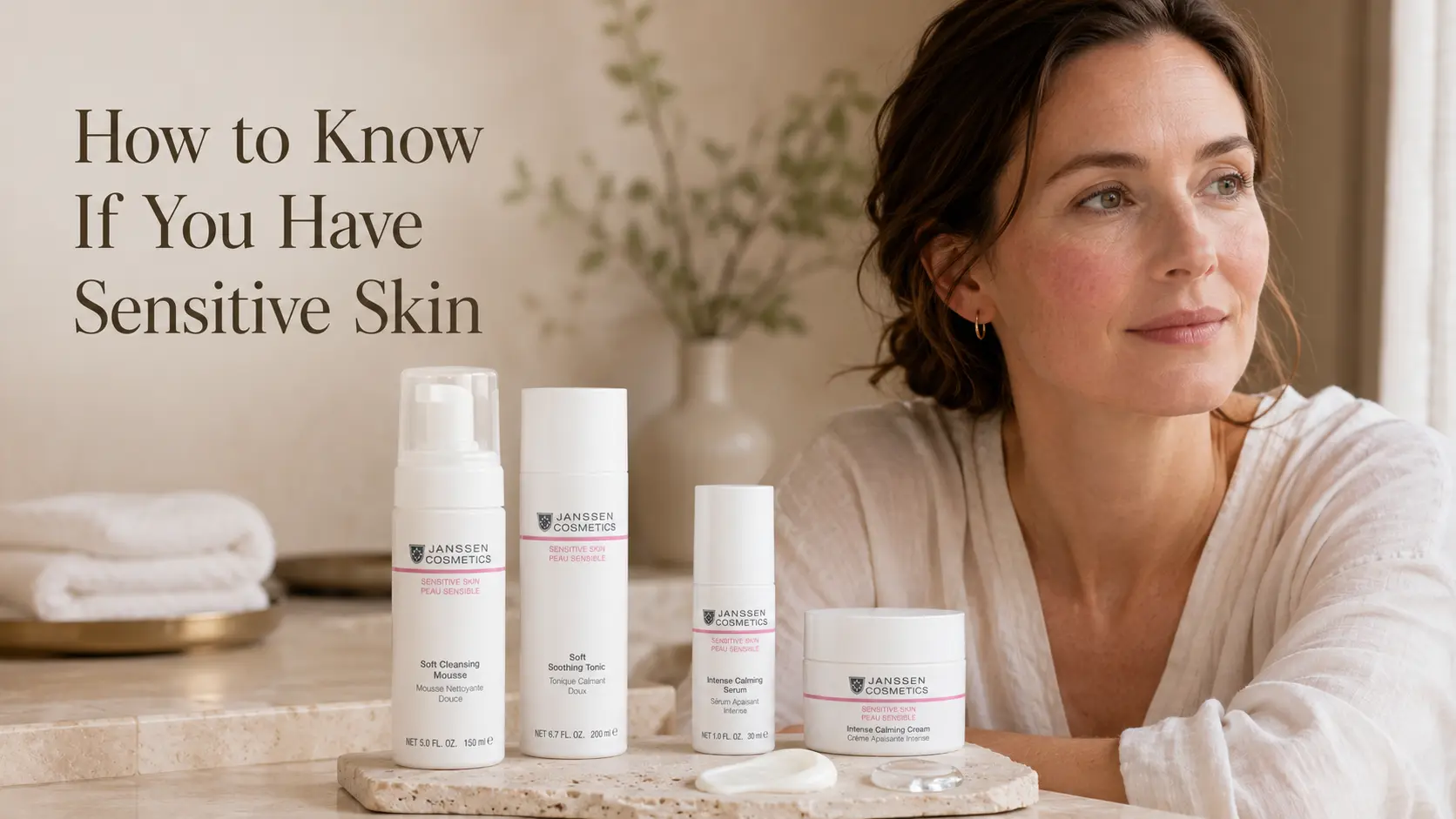
For sensitive-feeling skin, Janssen Cosmetics includes a dedicated Sensitive Skin family focused on gentle cleansing, soothing support, barrier comfort, hydration, and redness-prone skin care.
Products that may be discussed during a sensitive skin consultation include:
These are examples, not automatic recommendations. A consultation helps decide which products fit the skin and which steps should wait.
Do not keep trying new products every few days. Sensitive skin needs time to show what it can tolerate.
Do not use strong exfoliation when the skin feels tight, warm, stingy, or irritated.
Do not assume natural fragrance or essential oils are always gentle. Some sensitive skin reacts to them.
Do not layer retinol, acids, scrubs, and brightening products without guidance.
Do not ignore repeated stinging. If a product consistently burns or causes discomfort, your skin may be telling you it is not the right fit.
Do not try to diagnose a rash or skin condition through skincare alone. Persistent or worsening symptoms should be evaluated by a medical professional.
Sensitive-feeling skin can often be supported with a gentler routine, but some signs need medical attention.
Consider speaking with a dermatologist or healthcare professional if your skin is painful, swollen, blistering, bleeding, cracked, infected-looking, severely itchy, rash-like, worsening, or not improving. Also seek medical guidance if symptoms affect sleep, daily comfort, or keep returning after self-care.
Skincare can support the look and feel of the skin, but it does not replace medical diagnosis or treatment.
You may have sensitive skin if your skin often stings, burns, feels tight, gets red easily, feels itchy, or reacts to products, weather, fragrance, or exfoliation.
Stinging can happen when the skin barrier feels stressed, when the product is too strong, or when the skin does not tolerate certain ingredients. If stinging is frequent, simplify your routine and consider professional guidance.
Yes. Sensitive skin can be dry, oily, combination, or mature. Sensitivity is about how the skin reacts, not only how much oil it produces.
A simple routine is usually best: gentle cleanser, soothing tonic, calming serum if needed, lotion or cream, and SPF during the day.
Sensitive skin should exfoliate carefully, if at all. If the skin feels irritated, stingy, warm, or tight, focus on comfort first before adding exfoliation.
Fragrance can trigger irritation for some sensitive skin types. Fragrance-free products are often a safer choice for people who react easily.
Sensitive-feeling skin often benefits from hydrating and comfort-supporting ingredients such as hyaluronic acid, panthenol, allantoin, squalane, shea butter, bisabolol, and barrier-supportive ingredients.
See a dermatologist if your skin is painful, swollen, blistering, bleeding, infected-looking, severely itchy, rash-like, worsening, or not improving.

Zendevie is guided by Haby Diallo, a licensed esthetician with more than 20 years of professional skincare experience. Her approach is rooted in education, professional judgment, and personal care.
years of experience