Combination Skin Care Guide for an Oily T-Zone and Drier Cheeks
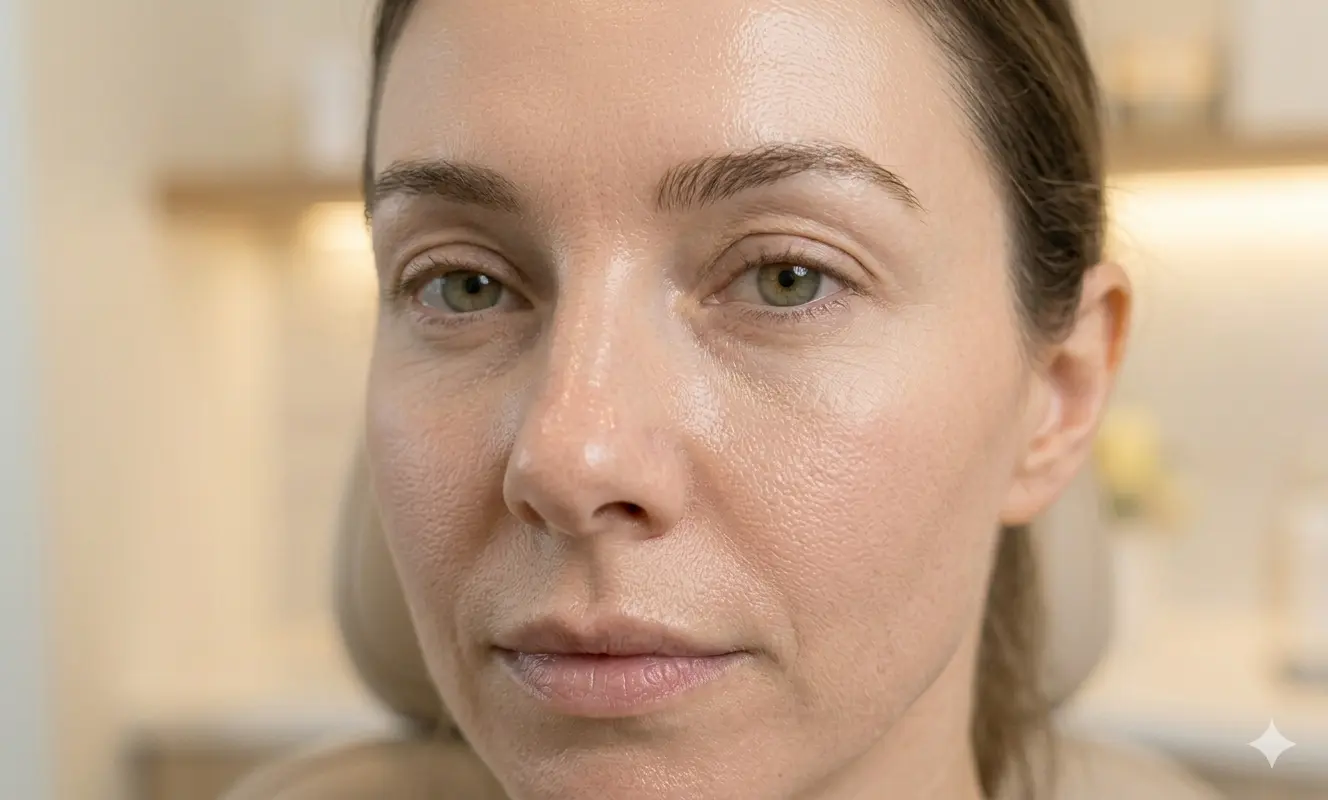
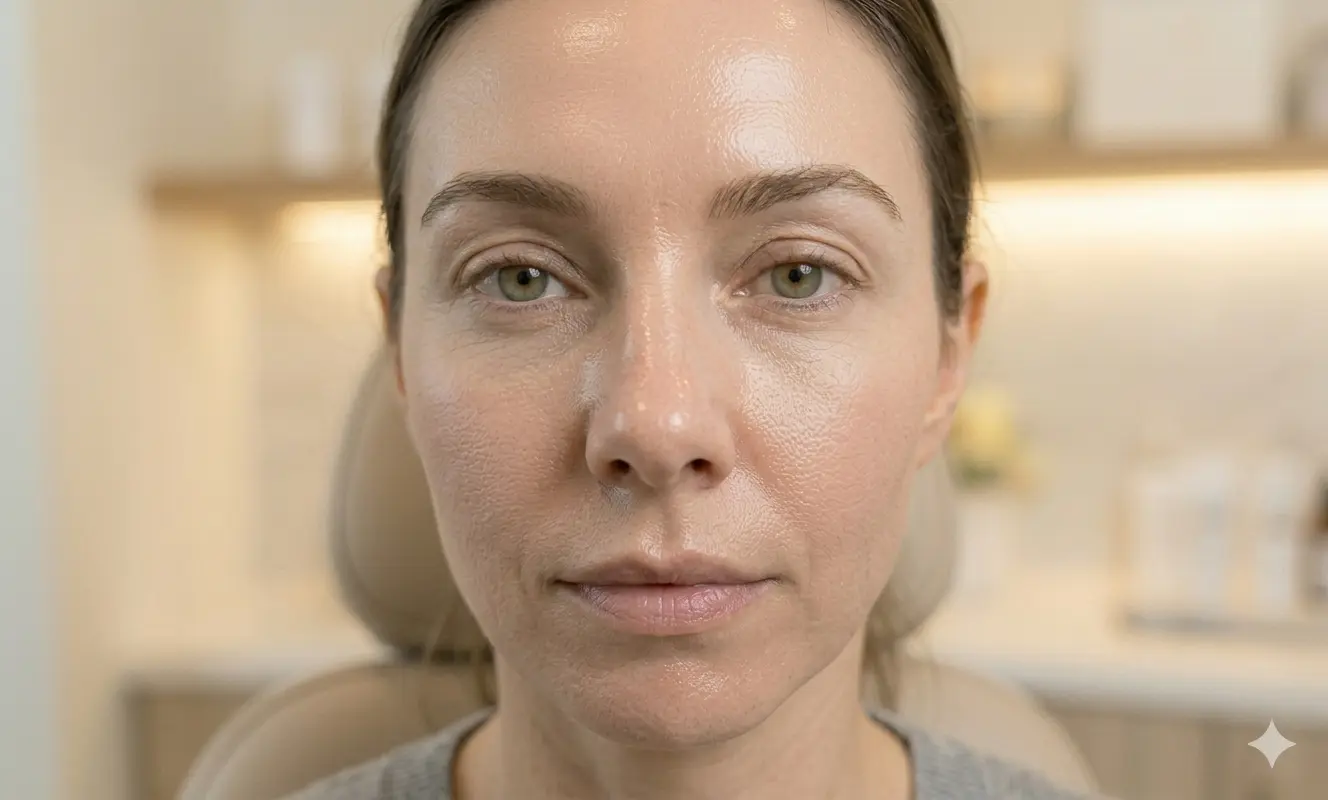
Combination skin is not one simple category. It is two skin patterns showing up at once: more oil through the forehead, nose, and chin, with cheeks that may feel normal, tight, or dry. That is why we read the zones separately before products are chosen. In consultation, our licensed esthetician looks at shine, pore visibility, cheek comfort, sensitivity, seasonal changes, and what your current products are doing to each area.
A simple plan should remove surface oil without drying the cheeks. Targeted care comes later, only where the skin is asking for it.
01
Zone-by-zone reading
Shine in the center and tightness on the cheeks are separate clues. They should not be answered with the same product decision.
02
Janssen Cosmetics
Product choices come after the skin pattern is clear, so the plan can reflect zones, texture preference, and sensitivity instead of a pre-set kit.
03
Keep the base simple
Cleanser and moisturizer come first. Extra T-zone care is introduced later only when shine, visible pores, or buildup still need attention.
Skin-type check
Is This Your Skin Type?
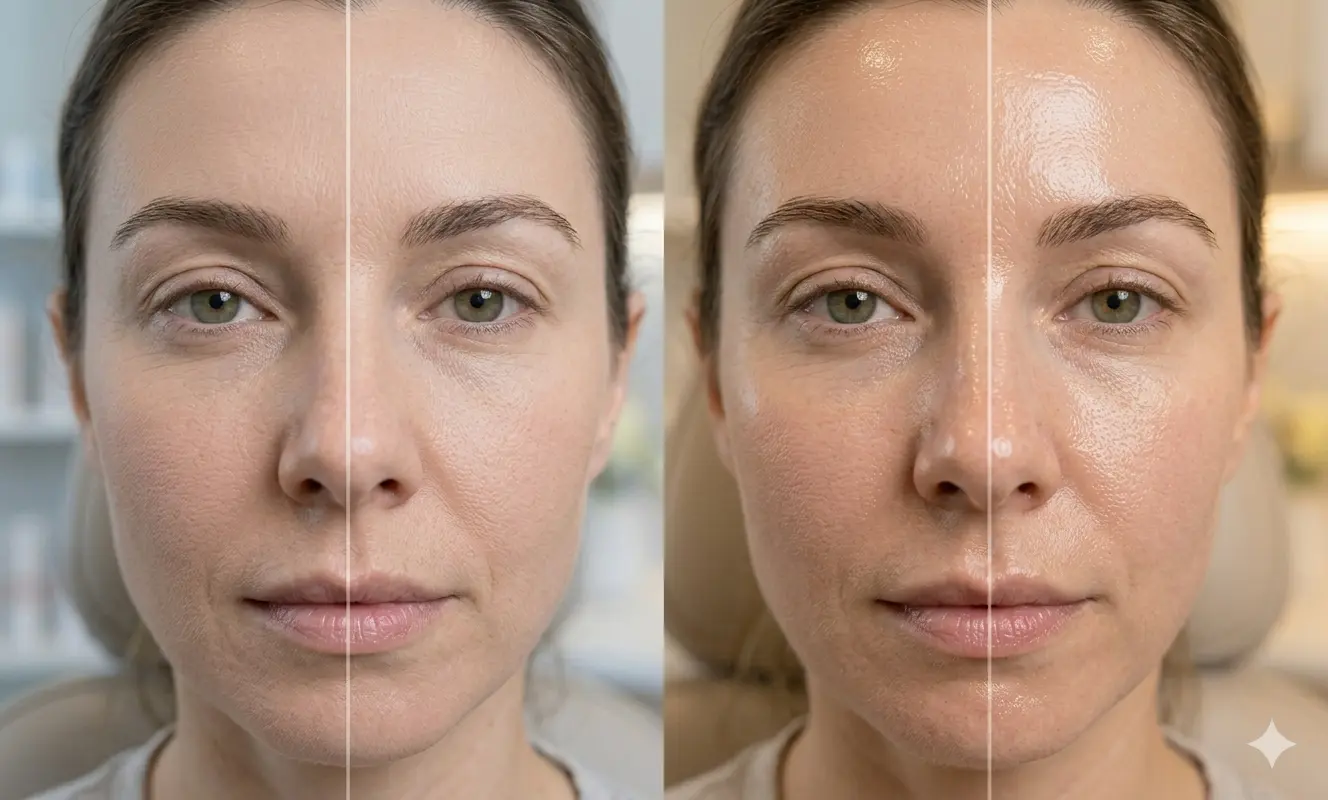
Combination skin becomes easier to understand when you stop asking whether your whole face is oily or dry and start asking where each behavior appears. The center of the face often produces more oil, while the cheeks may need lighter moisture or more protection from dryness.
Oily T-zone
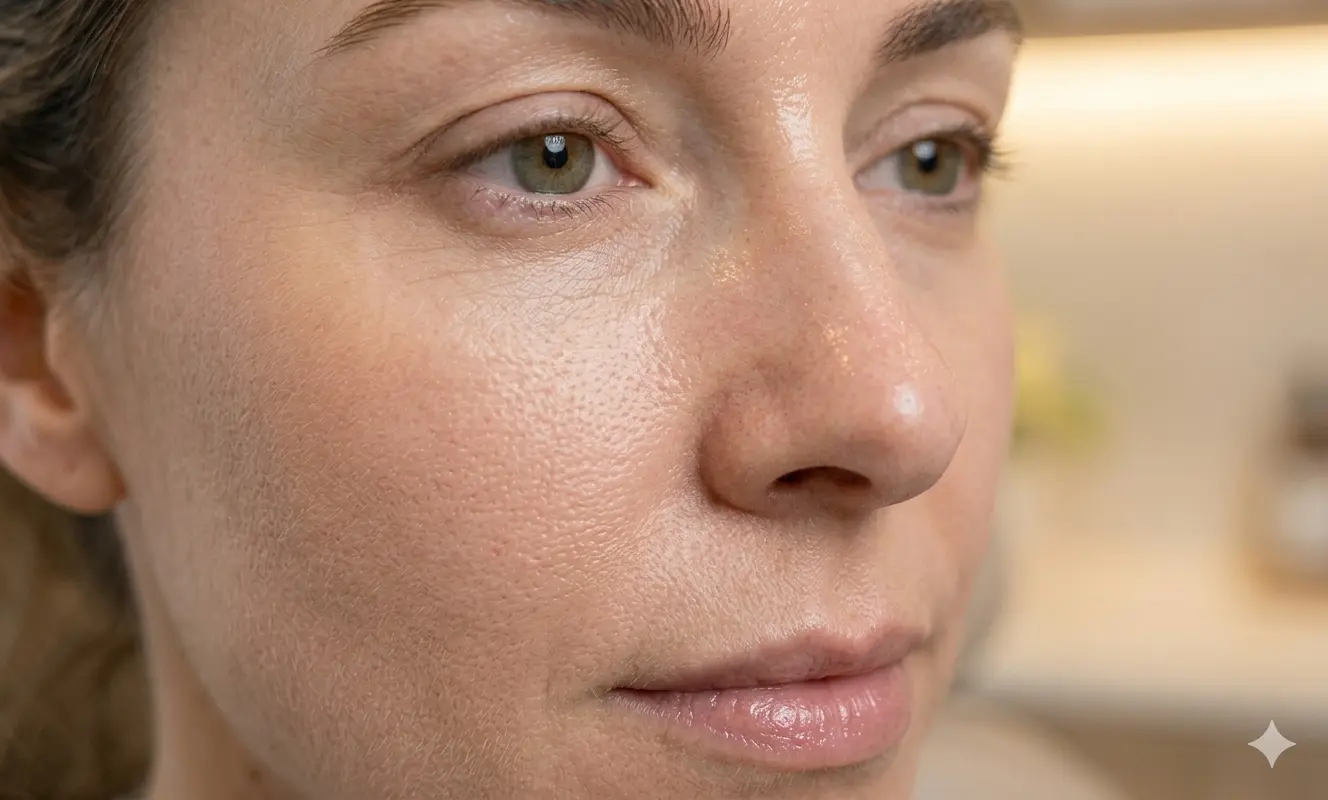
The forehead, nose, and chin may look shiny sooner than the rest of the face, especially by midday.
Drier cheeks
Cheeks can feel normal in the morning but tighter after cleansing, weather changes, or matte products.
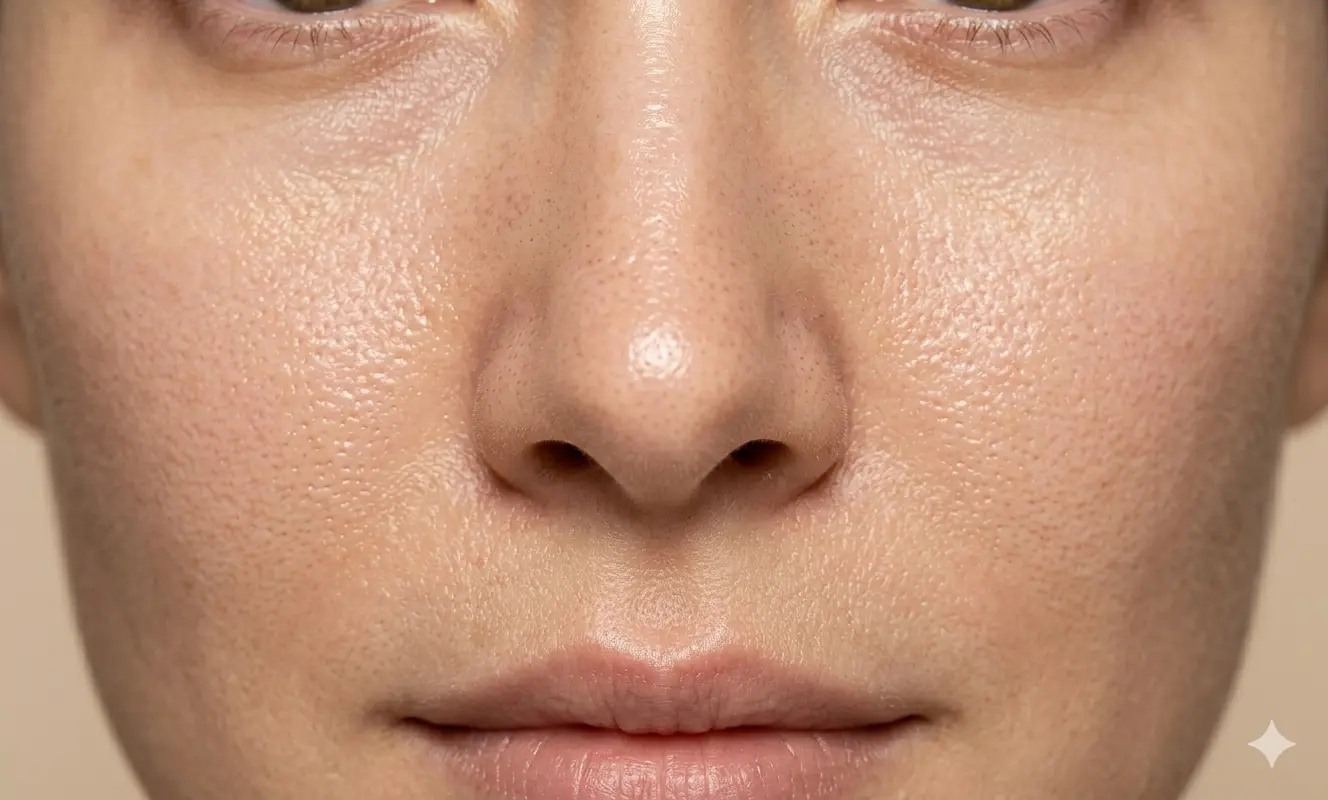
Visible pores in center
Pores often appear more noticeable around the nose because oil and buildup collect there first.
Seasonal shifts
Warm weather may increase shine, while cold air can make the cheeks feel less flexible.
Makeup separates in T-zone
Tint or foundation may break down in oily areas but cling where the skin is drier.
Product confusion
When one product feels too rich in the T-zone and too light on the cheeks, the plan may need zone-aware adjustment.
Zone-aware skin logic
What Combination Skin Really Needs
Combination skin needs a different kind of patience. The goal is not to mattify every inch of the face. It is to clean the oil-prone center without leaving the outer face tight, then choose moisture that feels light enough for the T-zone and adequate for the cheeks.
Remove excess oil without stripping the cheeks.
Keep the center of the face clearer-looking and less shiny.
Choose lightweight moisture that does not feel heavy.
Introduce targeted T-zone care only when buildup or shine persists.
Read the zones first
Combination skin should not be forced into an oily-skin or dry-skin category. The best decisions come from comparing how each area behaves.
Ingredient intelligence
Ingredient Intelligence for Combination Skin
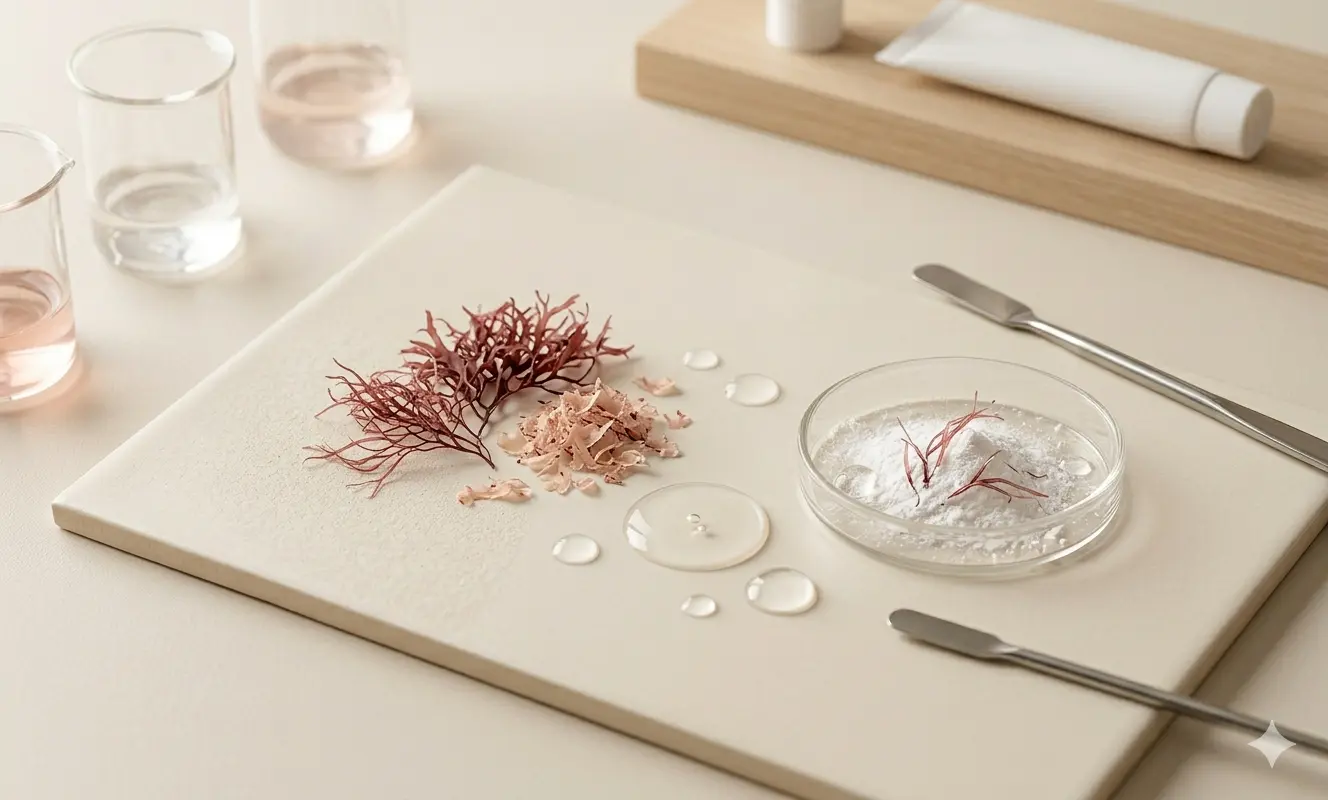
Janssen’s Combination Skin range centers on ingredients that help the skin feel more even across different zones. For this skin type, ingredient choice is less about chasing one concern and more about avoiding extremes: too drying for the cheeks or too rich for the T-zone.
Inositol / Rice Bran
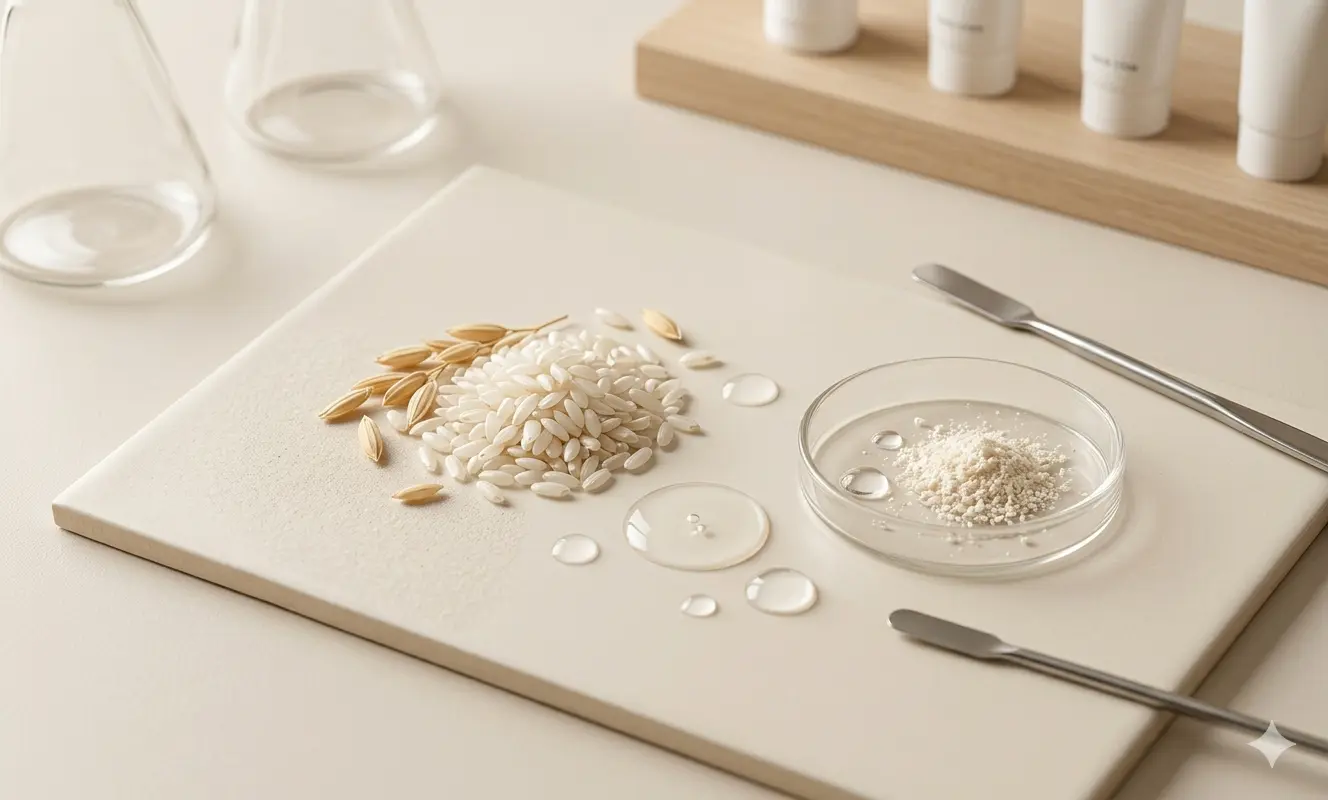
Inositol, associated with rice bran, helps address areas that feel dry and areas that look oily within the same care plan.
Red Algae Extract
A moisture-focused ingredient that helps the cheeks and outer face feel less tight without making the plan feel heavy.
Aloe Vera
Often used for a calm, fresh skin feel. It matters when combination skin also feels easily bothered by stronger products.
Microcrystalline Cellulose
A powder ingredient that can help reduce the look of shine on the surface without acting like a harsh active.
Silica
A mineral powder base used for a smoother, more matte-looking finish in cleansing or texture-focused formulas.
Amino Acid-Based Cleansers
Amino acid cleansing systems help remove residue while keeping the face from feeling stripped after washing.
Simple care plan
Cleanse, Moisturize, Even, Protect
The first steps should give the face enough care without creating more confusion. After we understand how the T-zone and cheeks respond, our licensed esthetician may keep the plan very simple or add one targeted product for a specific area.
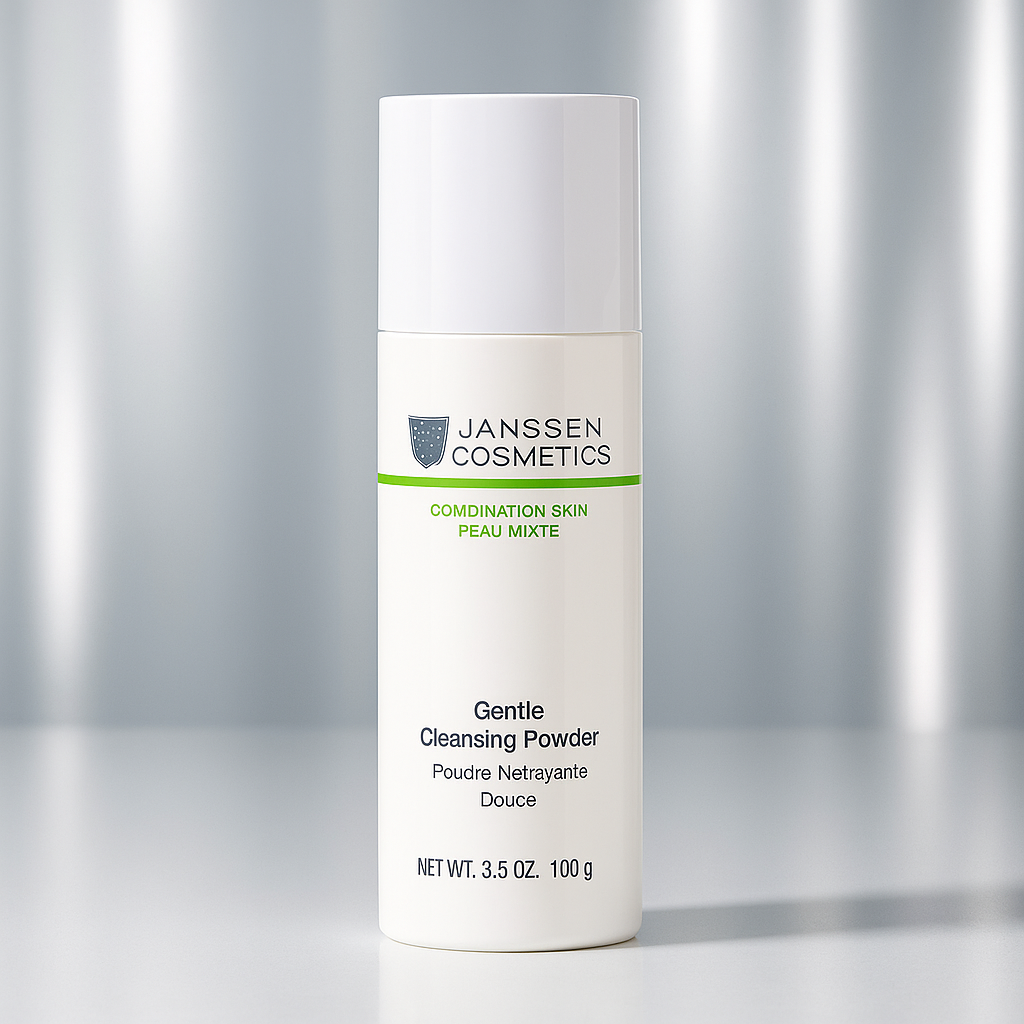
STEP 1
Cleanse
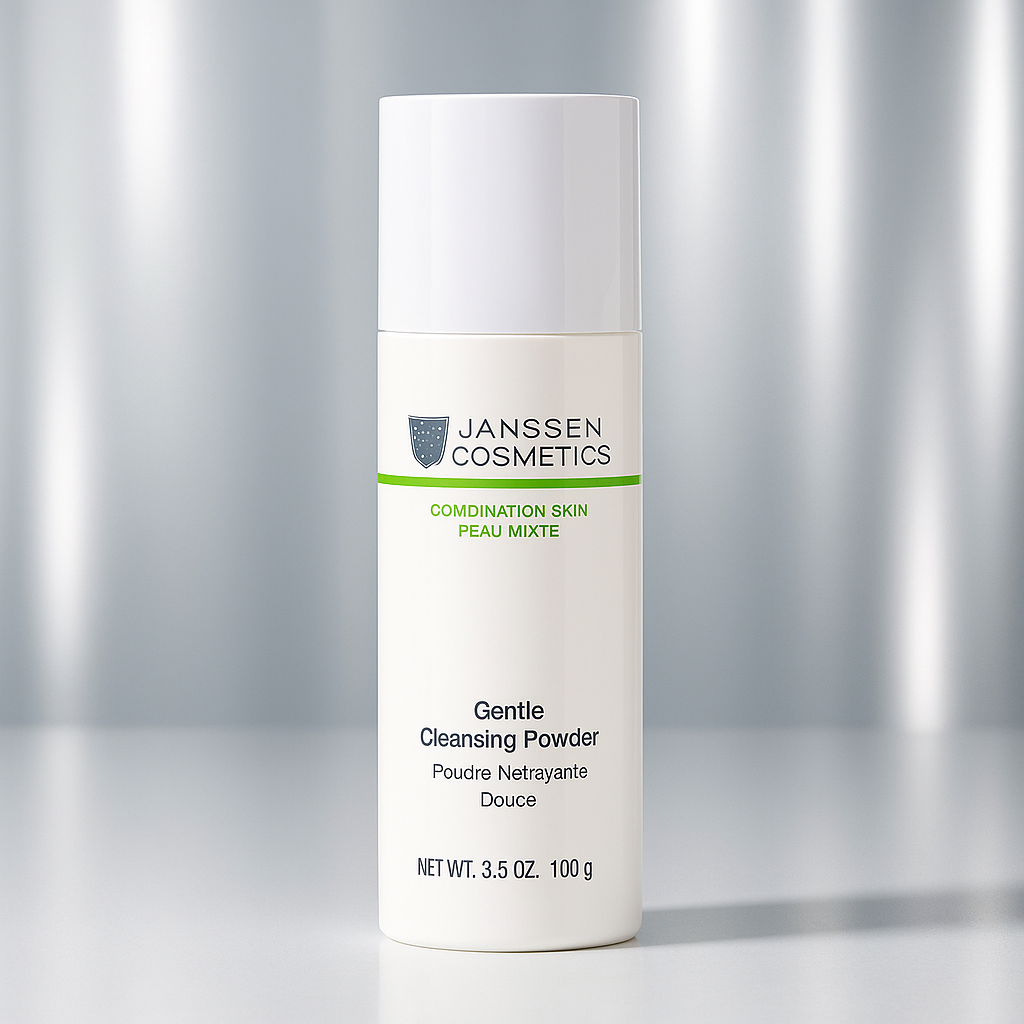
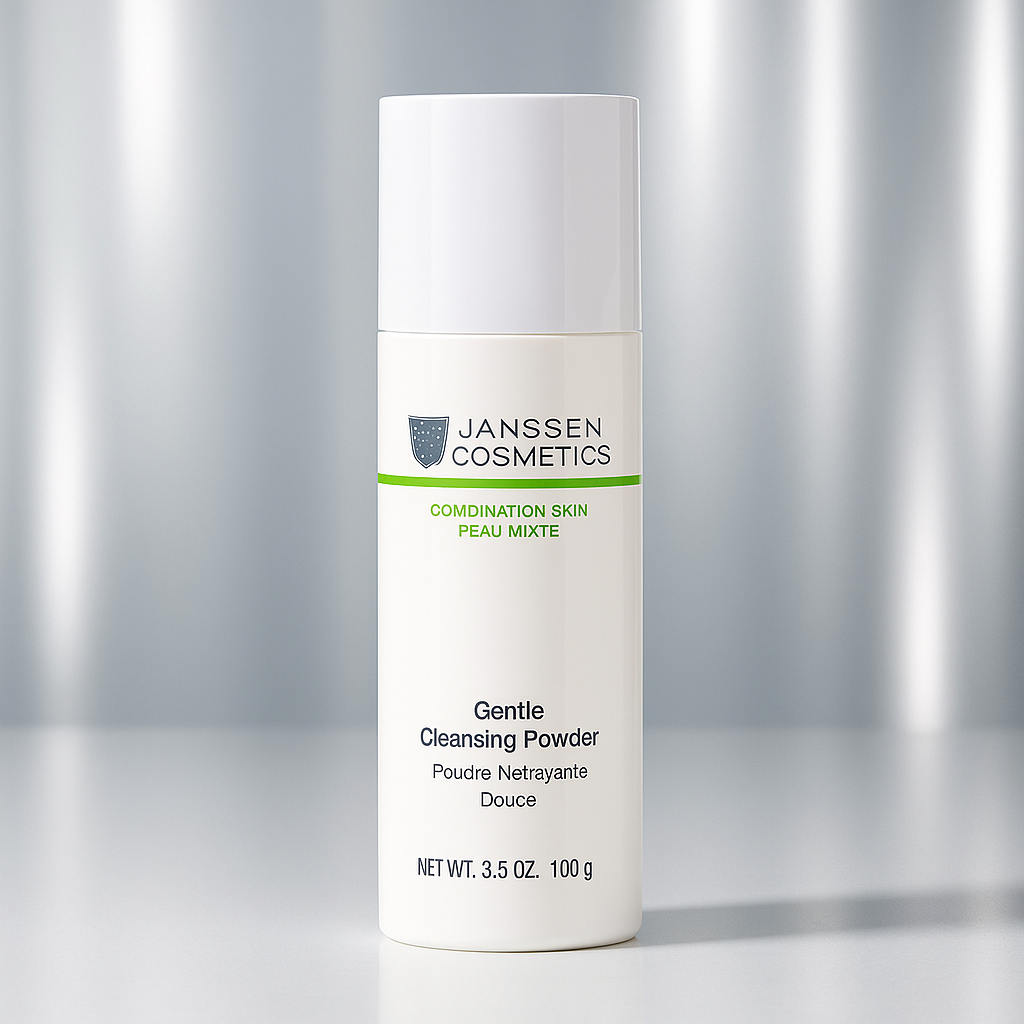
Gentle Cleansing Powder
Removes excess oil and makeup residue while helping the face feel clean, not tight.
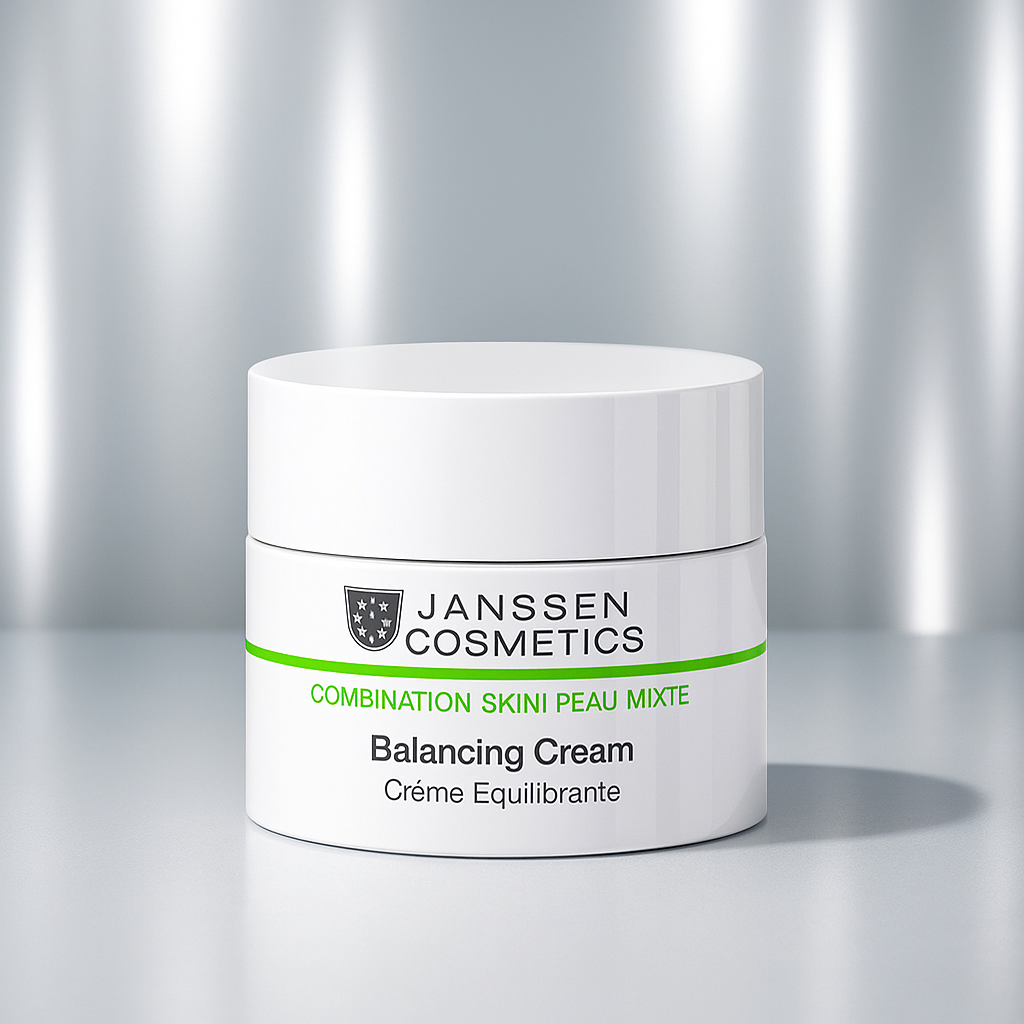
STEP 2
Moisturize
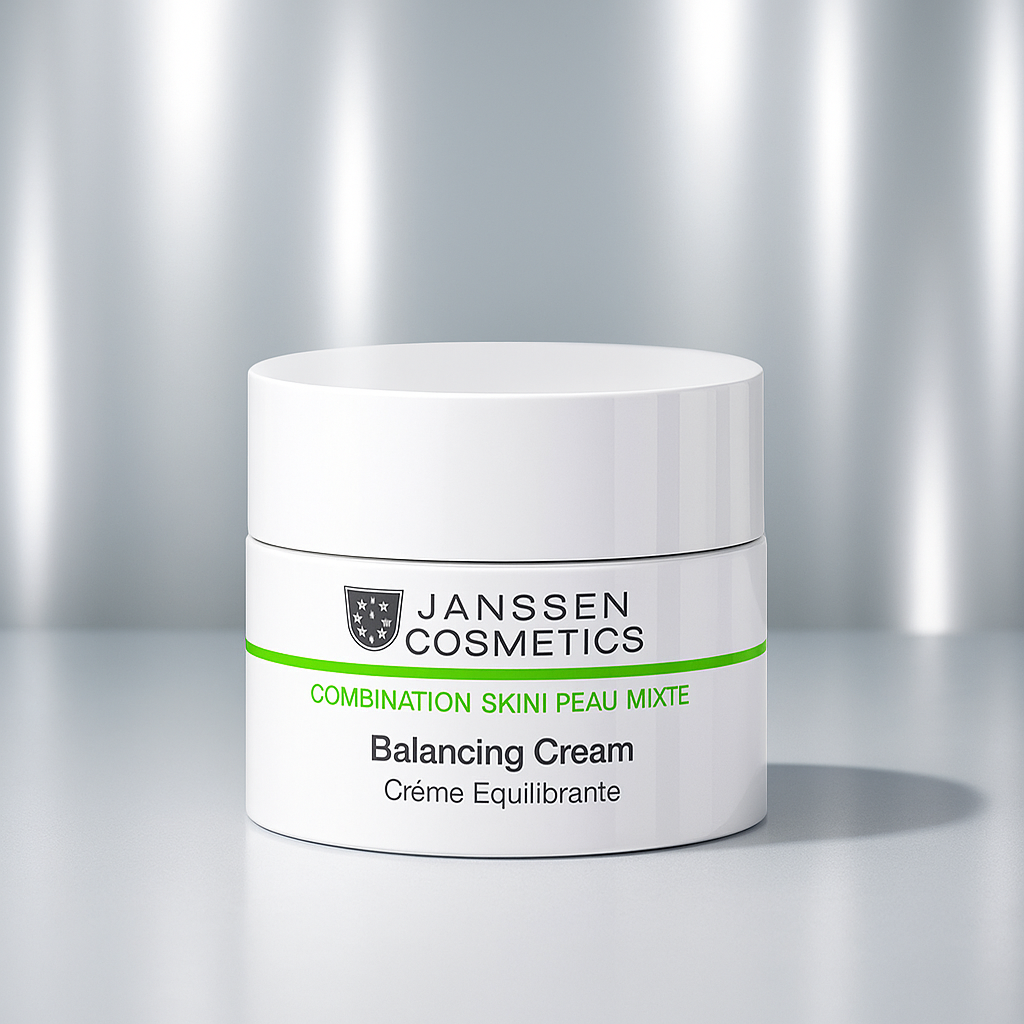
Balancing Cream
A lightweight cream option for skin that needs moisture without a heavy finish.
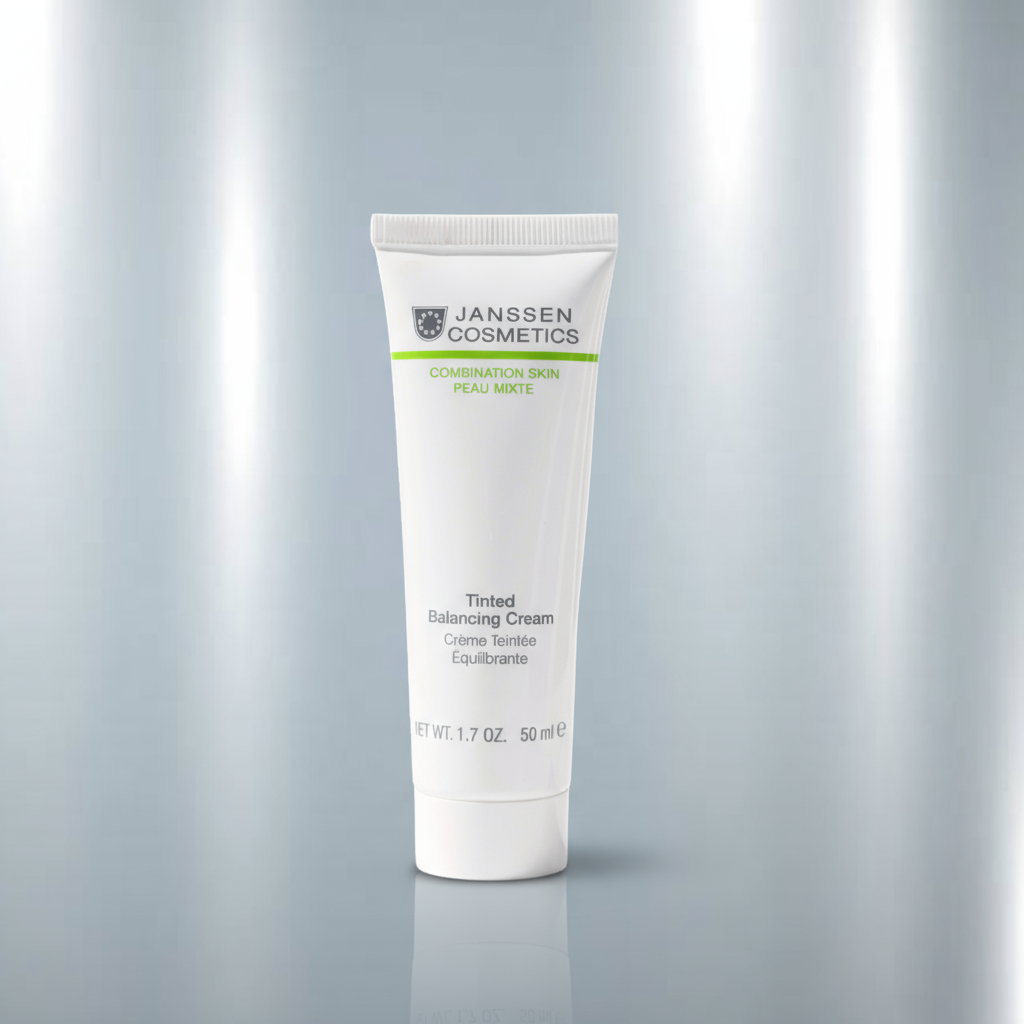
STEP 3
Even the finish
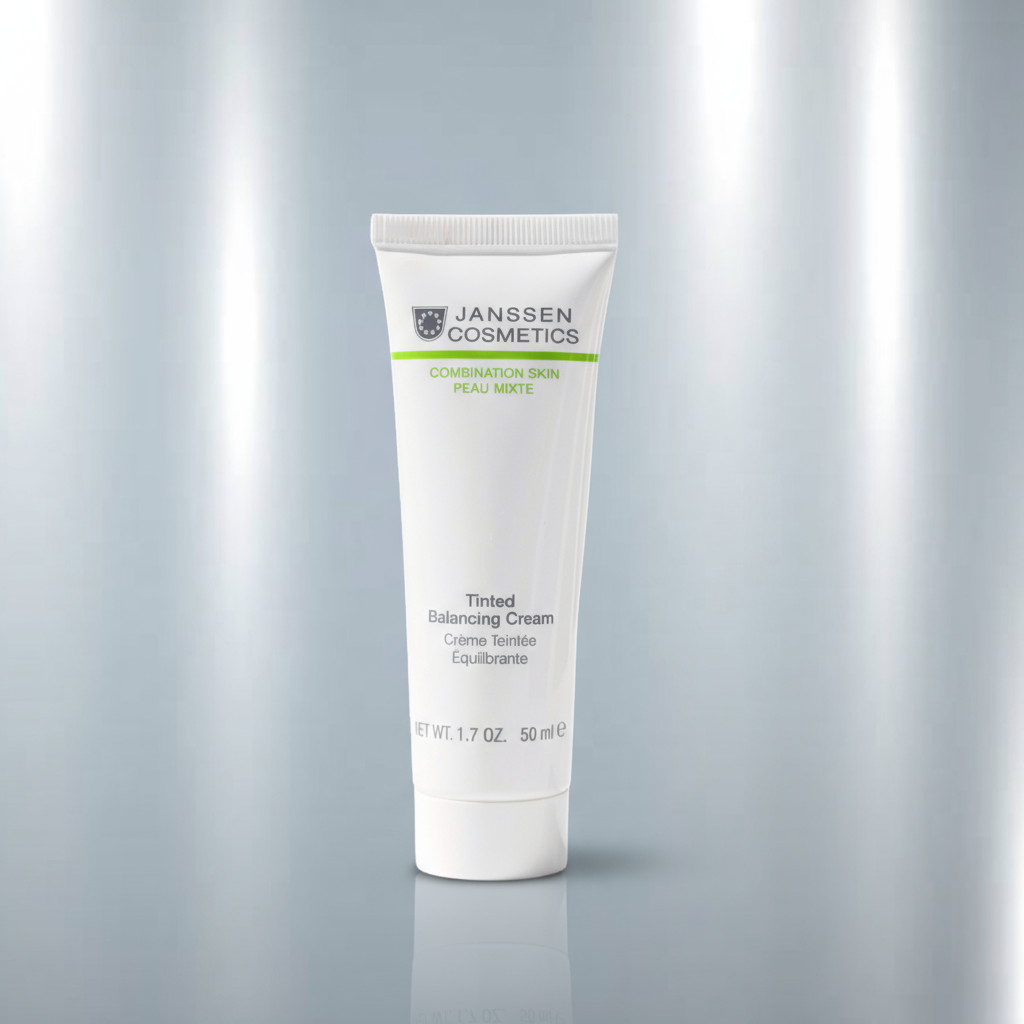
Tinted Balancing Cream
A possible choice when the client wants a soft, more even-looking matte finish.
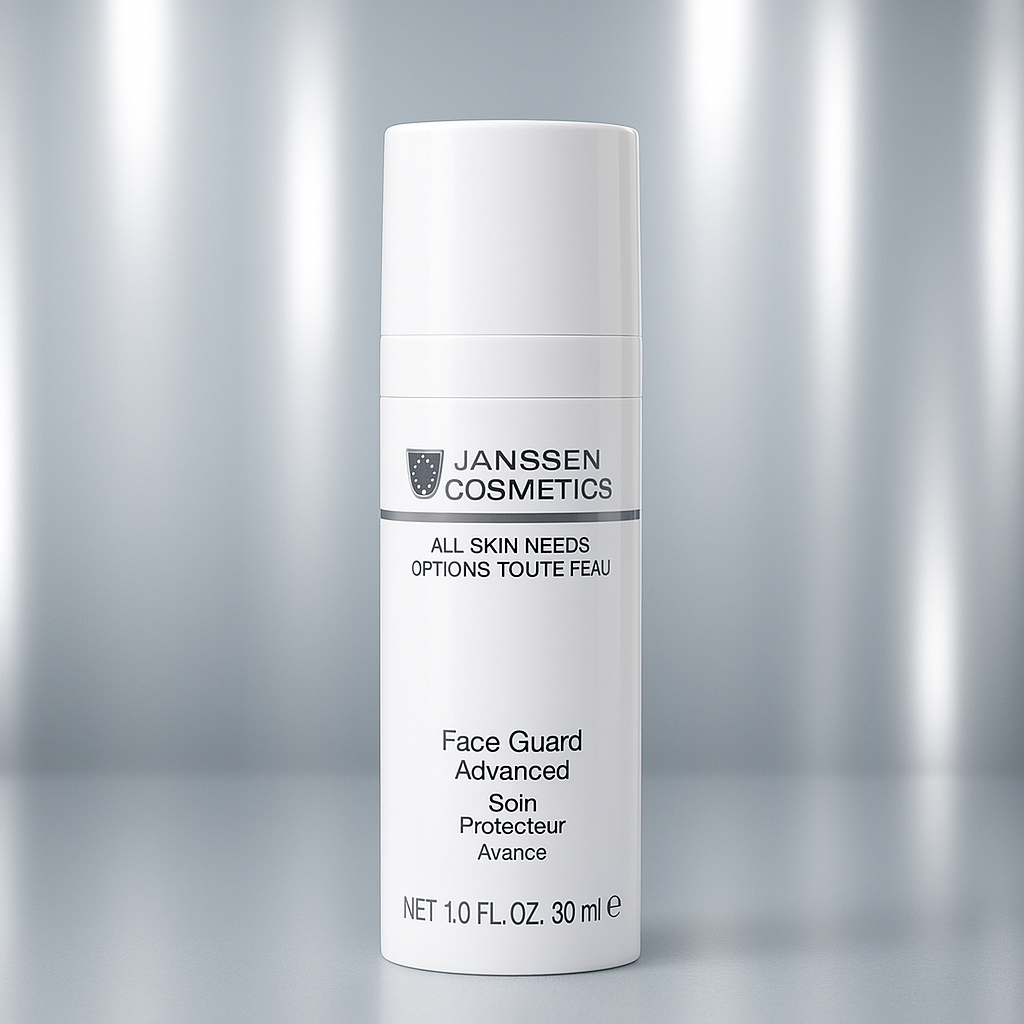
STEP 4
Daily SPF
Face Guard Advanced
Helps protect the skin during the day, especially when clarifying products are added.
Selective add-ons
When Combination Skin Needs More Precision
Combination skin often needs selective care, not more products everywhere. A BHA serum may belong only on a congested-looking T-zone. A mask may be used in the center of the face, while the cheeks receive moisture instead. The decision depends on what each area can tolerate.
T-ZONE
Clogged-looking pores
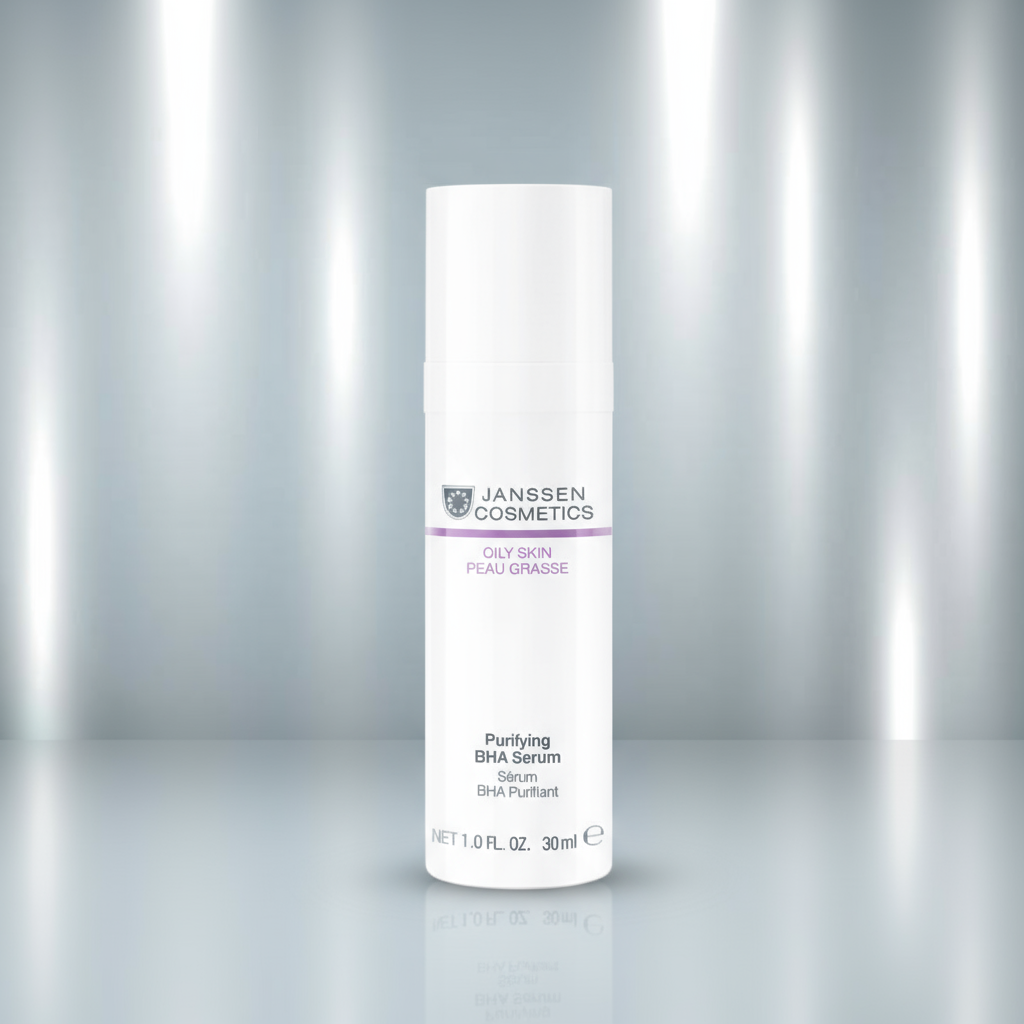
Purifying BHA Serum
A selective option for the nose, chin, or forehead when buildup is visible and the skin can tolerate BHA.
MASK
T-zone clarity
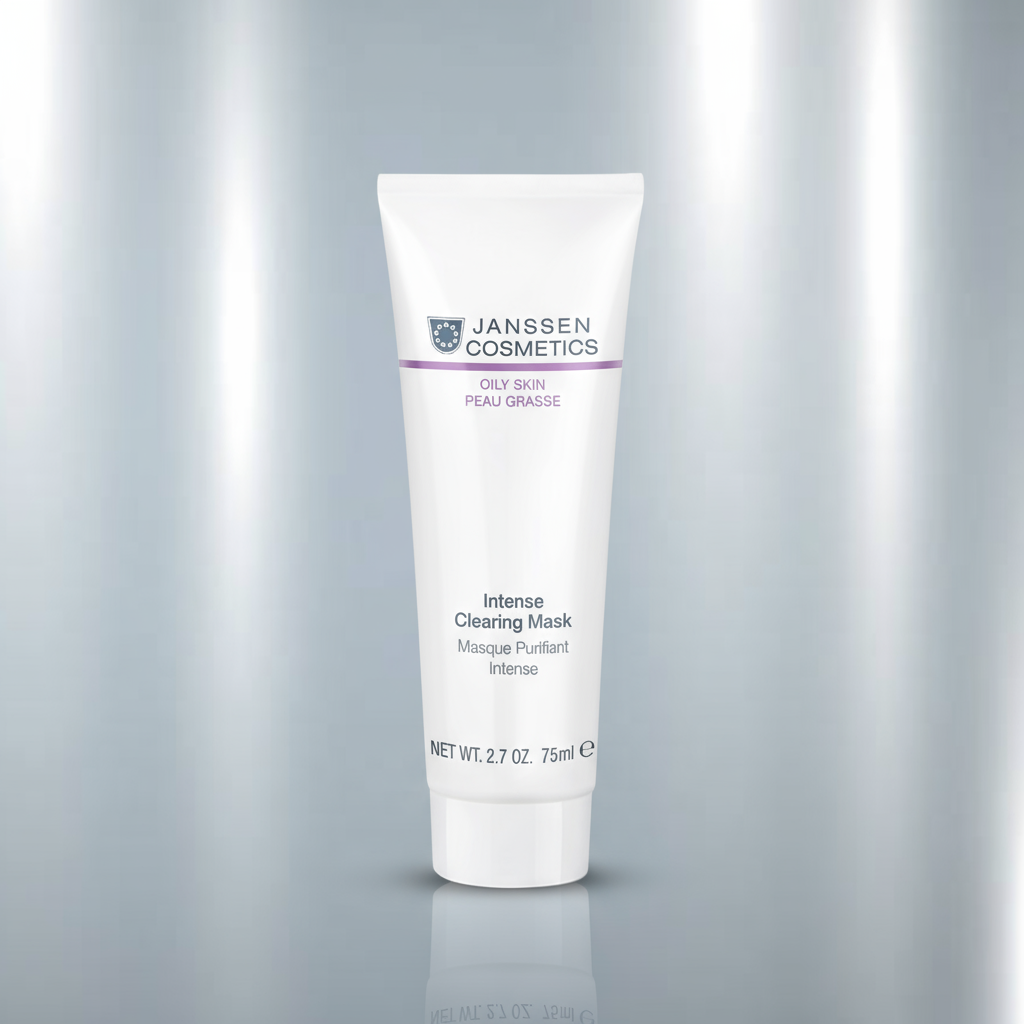
Intense Clearing Mask
Use as a T-zone-focused mask when shine and pore appearance need extra attention.
DRY AREAS
Cheek moisture
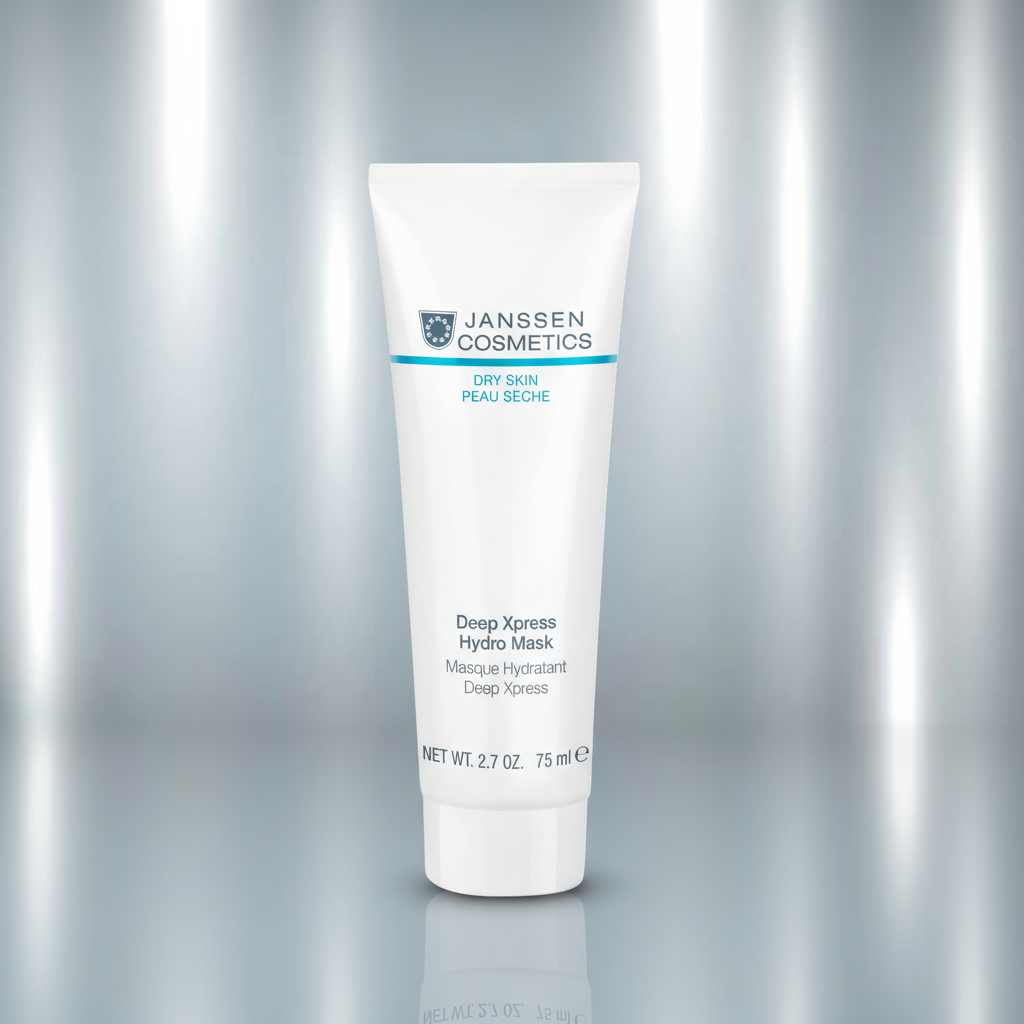
Deep Xpress Hydro Mask
Consider when the cheeks or outer face feel tight, thirsty, or less flexible.
Common mistakes
Common Combination Skin Mistakes to Avoid
Treating the whole face as oily: this can leave the cheeks tight and make the skin harder to read.
Skipping moisturizer: shine in the T-zone does not mean the entire face has enough moisture.
Using rich cream everywhere: the cheeks may appreciate it, but the center of the face can feel heavy.
Over-exfoliating the T-zone: too much active care can make the skin feel reactive instead of clearer.
Changing too much at once: when several products are introduced together, it becomes difficult to know what helped and what irritated.
Products after zone assessment
Janssen Cosmetics Options for Combination Skin
These products are not meant to be a universal kit. In consultation, the question is whether the T-zone needs a lighter, more matte finish, whether the cheeks need more moisture, and how simple the client wants the plan to feel. Product selection comes after those answers.
Not always. Oily skin usually behaves more consistently across the face, while combination skin has different zones. The center may look shiny, but the cheeks may feel normal, dry, or tight.
The T-zone often has more oil activity, while the cheeks may lose moisture more easily or react to products differently. A good plan respects both patterns instead of treating the entire face the same way.
Sometimes, but not always. Many clients do better with one lightweight moisturizer first. If the cheeks still feel tight or the T-zone still feels heavy, a zone-specific adjustment may make sense.
Yes, targeted use can be appropriate when the nose or chin has visible buildup and the rest of the face does not need that same step. The key is to avoid spreading active care everywhere just because one area needs it.
Oil can break down makeup in the T-zone, while dry texture on the cheeks can make tint or foundation grip unevenly. Skincare before makeup should focus on both finish and moisture, not only mattifying.
Because the same face can show oil, dryness, congestion, and sensitivity at once. We first identify what each zone is doing, then product choices become clearer and less wasteful.
Understand the zones before products
Not Sure What Your Skin Needs?
Your face does not have to fit one simple label. A free virtual consultation helps us understand how your T-zone, cheeks, product history, and sensitivity behave before any Janssen Cosmetics products are suggested.